
Mo chreach sa thainig! – Notes on Lesson 3

Blog: Kilted Scot
Categories: 4-minute read
Tags:

One of the reasons I am enjoying these Gaelic lessons so much is the wealth of information that is presented by our tutor throughout the classes, sometimes explanations of vocabulary background and sometimes related amusing stories. This week had plenty of both!

Firstly, a wee colloquialism that I missed from last week’s lesson which is idir, idir, idir which translates to ‘at all, at all, at all’ and should always be said in full, triplicate form. This is apparently appended to the end of a negative mood sentence as emphasis, such as chan eil mi toilichte idir, idir, idir – I am not happy, at all, at all, at all!

On a similar theme this week we learned Obh, obh! and mo chreach sa thanaig!Obh, obh apparently doesn’t really translate into English but I’d say it may be representative of a mix between ‘meh’ and ‘grrrr!’ but it should normally precede a clause that explains its use such as mo chreach sa thanaig! which literally translates to ‘my destruction has arrived’ or more naturally ‘Good God!’. I like this :D

If wet isn’t accurate or descriptive enough for you, as often it isn’t in Scotland then you can precede fluich with bog which literally means ‘bogging’ as in ‘bogging wet’ or ‘soaking wet’.

As well as the grammar points which I went over in Càite Bheil Thu A’ Fuireach? – Lesson 3 we learned to count from 11-19 and the days of the week.

Numbers (constructed by pre-10 number with 10 appended):

Gàidhlig English
aon deug eleven
dhà dheug twelve
tri deug thirteen
caihir deug fourteen
còig deug fifteen
sia deug sixteen
seachd deug seventeen
ochd deug eighteen
naoi deug nineteen

With regards to the days, each of them carries some meaning, some more interesting than others.

  • Diluan – Monday – from the French for the day Lundi
  • Dimàirt – Tuesday – again from the French Mardi
  • Diciadin – Wednesday – means Day of the1st fast – traditionaly Gaels would fast twice a week, apparently
  • Diardoain – Thursday – meaning the day between two fasts!
  • Dihaoine – Friday – the Day of the 2nd fast
  • Disathairne – Saturday – referring to Saturn
  • Didòmhnaich – Sunday – meaning God’s Day which was generally used by Catholics, OR
  • Là na Sàbaid – Sunday – meaning the Sabbath which was generally used by Protestants

The second Sunday option is apparently more commonly used but either works.

Finally, a little bit about Murdo MacFarlane the writer of this week’s song. Murdo hails from Lewis, as does our tutor and he was well known around the island, in particular her father knew him pretty well. Murdo apparently was a great songwriter but a miserable man :)

Our tutor’s father was a bus driver and drove a school bus into Stornoway every morning and every morning, dressed in a blue boiler suit, Murdo MacFarlane would jump onto the school bus into Stornoway so that he wouldn’t have to pay the far on a normal bus!

This week’s song Cànan nan Gàidheal was written as a lament of the foreseeable death of the Gaelic language as all Murdo saw in front of him was the decline of the language. Thankfully, efforts have been made to keep Gaelic alive and the number of people in my class alone are testament to the success of these efforts.

As I mentioned in the main post, I like this song, the lyrics really speak to me and sum up why I felt the need to learn the language of my predecessors.

Lyrics in English:

It wasn’t the Northern snow or frost

nor the sharp, withering East wind

nor rain and Westerly storms

but the plague that came from the South

to blight blossom, leaf, stalk and root

of the language of my people and race


Chorus (after each verse)

Come to us, come with me to the West

and hear the language of heroes

Come to us, come with me to the West

and hear the language of the Gael


If a kilted man would be seen in the glen

certainly Gaelic was his language

then they tore his roots from the land

and replaced Gaelic with the language of the Lowlander

and the Highlands, once the cradle of the brave

is now a land of foreign majors and colonels


Bring out the golden candlesticks

and set up the white wax candles

light them in the room of mourning

hold a wake for the ancient tongue of the Gael

That is what the enemy once said

but the language of the Gael lives on


Though it fled for its life from the glens

and can no longer be heard in the Dùn

from MacKay country far in the North

down to Drumochter of cattle

But in the Western Isles

It is still the first language of the people

Càite Bheil Thu A’ Fuireach? – Lesson 3

Blog: Kilted Scot
Categories: 4-minute read
Tags:

Week three and the pace slowed a little whilst the lesson focused on revision of the previous two weeks. That is not to say however that we don’t have new grammar concepts and vocabulary to go over, we do indeed.

The first new grammar concept we learned was in response to the question Càite bheil thu a’ fuireach? which means where are you living? (as opposed to Cò às a tha thu? – where are you from?)

The response to this question varies depending on the structure and/or spelling of the location of residence and there are three variations:

  1. If the location is proceeded by a definite article such as The States (united and of America) which is Na Stàitean then the location is preceded by annsTha mi a’ fuireach anns Na Stàitean.
  2. If the place name begins with B, F, M or P and there is no definite article such as Barra which is Barraigh then the location preceded by ann amTha mi a’ fuireach ann am Barraigh.
  3. If the place name begins with any other letter other than B, F, M or P and there is no definite article such as Edinburgh which is Dùn Eideann then the location is preceded by ann anTha mi a’ fuireach ann an Dùn Eideann.

Simple (simplidh), right?
By way of a wee non-recorded pronunciation guide:

  • anns – like ounce but swap the ce for an s.. ouns
  • ann – same as above but without the s
  • am – you think you have this one don’t you? it’s pronounced im like Tim without the Tennents
  • an – in like in without adding or subtracting any letters or sounds.

Next up, TENSES!

This isn’t as difficult as you might think, Gaelic is actually pretty logical in some regards (not its spelling to pronunciation mapping) and there are really just two tenses, PAST and FUTURE/HABITUAL.

I think I understood that right anyway, present tense is only really represented by the verb ‘to be/do’ and isn’t in itself really a tense.. yup, that sounds wrong but I am fairly certain that is what I was told. The tutor definitely said only two tenses even though there are apparently three. If you know different or can confirm this then please do comment below.

In any case, there are two NEW tenses.

PAST TENSE

Sentence structure is as before but with different questions words, positive and negative responses to what we’ve learned so far.

Questions:

Gàidhlig English
An robh mi? Was I?
An robh thu? Were you?
An robh e? Was he?
An robh i? Was she?
An robh sinn? Were we?
An robh sibh? Were you?
An robh iad? Were they?

The positive response to An robh? is BhaBha mi, bha thu, bha iad etc.

The negative response to An robh? is Chan robhChan robh mi, chan robh thu, chan robh iad etc.

Examples:

Gàidhlig English
An robh thu ag’ol uisge beatha a raoir? Were you drinking whisky last night?
An robh e trang an dè? Was he busy yesterday?
An robh cat aice? Did she have a cat?

FUTURE TENSE/HABITUAL

This tense not only represents what will happen in the future but also an activity that is carried out regularly.

Once again, sentence structure is as before but with different questions words, positive and negative responses to what we’ve learned so far.

Questions:

Gàidhlig **English **
Am bi mi? Will I be?
Am bi thu? Will you be?
Am bi e? Will he be?
Am bi i? Will she be?
Am bi sinn? Will we be?
Am bi sibh? Will you be?
Am bi iad? Will they be?

The positive response to Am bi? is BidhBidh mi, bidh thu, bidh iad etc.

The negative response to Am bi? is Chan bhiChan bhi mi, chan bhi thu, chan bhi iad etc.

Examples:

Gàidhlig English
Am bi thu ag’ol uisge beatha a nochd? Will you be drinking whisky tonight?
Am bi e trang a màireach? Will he be busy tomorrow?
Am bi cat aice? Will she have a cat?

Yes, I do like whisky, why do you ask?

Of course, no lesson would be complete without our weekly song and this time I actually really like it, much better pace than the previous two. Cànan Nan Gàidheal – The language of the Gael written by Murdo MacFarlane from Lewis.


The Scots Who Shaped Japan: No. 1 – Rita Taketsuru

Blog: Bushido Dreams
Categories: 7-minute read
Tags:

There are many links and similarities between Scotland and Japan, besides my nuptials as a Scot to a Japanese woman, and there were a great many Scots who helped shape modern Japan. Quite often however, these Scots are considerably more well known in Japan than they are back home in Scotland.

I present this series in no particular order, the fact that Jessie Roberta Cowan is not because I deem her to have had the greatest influence on Japan, she is first because currently there is a daily NHK (Japan’s national broadcaster) morning drama about her life, called Ma-san (マッサン), which was Rita’s pet name for her husband. I haven’t had a chance to see the drama yet but my wife apparently cries every time she watches it.

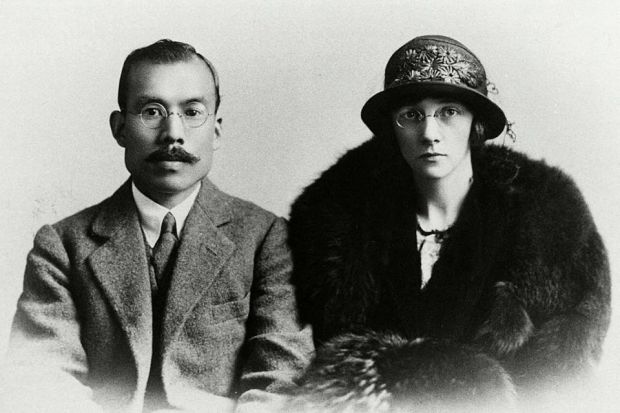
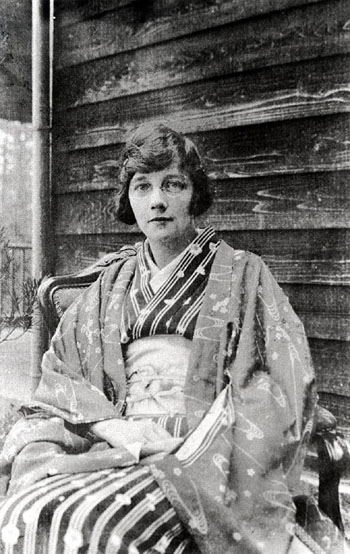
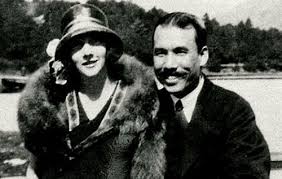
Jessie was more commonly referred to as Rita and her married name is Taketsuru. Rita is referred to as the mother of Japanese whisky being co-founder of the Nikka Whisky distillery along with her husband Masataka who is also known as the father of Japanese whisky. The creation of Nikka was truly a partnership as without Rita’s connections which she had built up teaching English, Masataka would never have found the financing to build his own distillery.

Rita Taketsuru

I was going to research and write my own story of Rita’s life as I may well do for future posts in this series, however I found an article on The Japan Times called The Rita Taketsuru Fan Club which I’ve plagiarised parts of instead! The following excerpts are from a story by Jon Mitchell it is a very well written piece and I heartily recommend reading the full article.
Their meeting in Scotland:

“Born in Scotland in 1896, Rita Cowan’s early days had been a model of middle-class gentility consisting of home governesses, piano lessons and a liberal-arts education in English, French and music.

In her 20s, though, two events rent her life asunder — during World War I, her fiance was killed in Damascus, and then, in 1918, her father died of a heart attack.

In the following months, the Cowans’ finances dwindled until, in 1919, they realized they needed to act fast if they wanted to keep the bailiffs from their family home in the town of Kirkintilloch some 12 km northeast of central Glasgow. So it was then they decided to take in a lodger.

Rita Taketsuru

The man they chose was 25-year-old Masataka Taketsuru. The Hiroshima native had recently been sent to Scotland by the managers of the drinks company for which he worked. Many decades earlier, Japanese manufacturers had cracked the secrets of European beer and brandy, but one skill still eluded them — the art of making whisky. They’d tried to emulate its taste with spices, herbs and honey, but all to no avail.

Masataka’s mission was to uncover its recipe in the homeland of Scotch whisky itself. At the University of Glasgow, he took courses in organic chemistry, and he also traveled to distilleries all over the country to take apprenticeships in the production of whisky.”

Rita and Masataka were married in Calton Registry Office in 1920 and they moved to to Campbeltown, where Mastaka learned the intricacies of the whisky industry at Hazelburn distillery.

In 1923 they moved to Japan:

“The nation in which the newlyweds found themselves was very different from the one her husband had departed just two years before. The Japanese economy was mired in deep recession and Masataka’s managers were more interested in turning a quick profit with cheaply- flavored spirits than the complex process of making bona fide Scotch whisky.

Disillusioned with their change of heart, Masataka resigned from the company. Rita was unfazed by their sudden financial instability and she supported both of them by pursuing that time-honored profession for foreigners in Japan — teaching English to children and housewives.

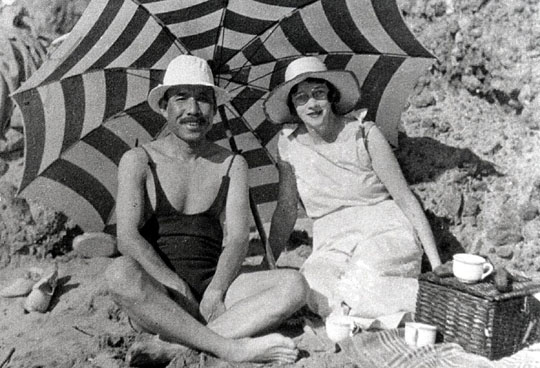
While these were undoubtedly difficult times for the Taketsurus, photographs show the pair totally at ease with one another and themselves. Rita clutches a parasol and leans against her husband while Masataka grins confidently at the camera — they appear to be a thoroughly modern couple, thoroughly in love.

Rita Taketsuru

By 1923, word had spread of Masataka’s research trip to Scotland and he was hired by Shinjiro Torii (the founder of the Suntory group) to help build a whisky distillery in Yamazaki, Kyoto Prefecture. Rita was happy that her husband would finally have an opportunity to put his hard-earned skills into practice, and for the next six years she taught English while also honing her own Japanese abilities.

Masataka’s time in Kyoto was not as harmonious as his wife’s. He quarreled constantly with Torii over the fineries of whisky production, and these clashes reached a peak in 1929 when Masataka was demoted to the position of manager of a beer factory in Yokohama. He quit — and, once again, found himself out of work.”

On the creation of Nikka after unsuccessful periods working for profit-driven bosses:

Following the disappointment of Yamazaki, it struck Masataka that there was only one way for him to make whisky the way he wanted — he would have to establish his own company.

Without Rita’s connections, he would never have been able to realize this dream. Since 1924, she’d been teaching English to the wife of Shotaro Kaga — the founder of a successful securities company. When Kaga heard of Masataka’s plans, he and two other investors agreed to back the project, and the creation of Masataka’s company, Dai Nihon Kaju (later shortened to “Nikka”).

Rita Taketsuru

Upon learning where he was planning to build his distillery, the investors almost changed their minds. But Masataka insisted that there was only one place in Japan with ready access to the barley, peat, coal and water that were vital for Scotch whisky production. That place was Yoichi, a town located in the country’s most inhospitable and underdeveloped island, Hokkaido.”

The distillery turned its first profit in 1940 and Rita continued to play a major part in the success of the distillery until her death in 1961.

The World War II years were difficult for Rita, she was suspected of being a spy by neighbours and their home was subject to raids by Japanese officials. The war years on the other hand were the making of the distillery, there was an embargo placed on imports of Scotch whisky and this brought a wider customer base to the relatively fledgling industry in Japan and Nikka benefited greatly. Nowadays, Nikka whisky is the third most popular whisky brand in Japan.

Legacy:

“Masataka outlived his wife by 18 years, and today the two are interred together on a hillside near the distillery. Walking through the town, I’m delighted to discover that the woman who’d once been ostracized as a potential enemy of the state has since left her indelible mark on the landscape — Yoichi’s main thoroughfare is named “Rita Road” and a kindergarten she helped to establish still bears her name.

Rita Taketsuru

After 15 minutes, I arrive at the Taketsurus’ grave. The gray lozenge of stone is lit pink by the setting sun, some fireflies flare brightly and the air smells of freshly-mown grass. In the valley below, I spot the red rooftop of the distillery.

In the years since his death, Masataka’s genius at Scotch whisky production has finally been recognized: In 2007, a bottle of “Taketsuru” was voted the world’s best blended malt; followed in 2008 by 20-year-old “Yoichi” winning the best single malt in the world award.”

Though they never had children of their own, the Takesturu’s adopted Masataka’s nephew Takeshi. In 2002, Takeshi visited Scotland to celebrate the first bottling of the Japanese whisky by the Scotch Malt Whisky Society (of which I am a current member) and whilst he was here he established the Takeshi Tsukuru prize at The University of Glasgow, where his father had previously studied. The prize is awarded to the student showing the best performance in the work placement element of the Chemistry Department’s MSci course.

More info about Rita & Masataka:


Cormorant fishing (鵜飼)

Blog: Bushido Dreams
Categories: 2-minute read
Tags:

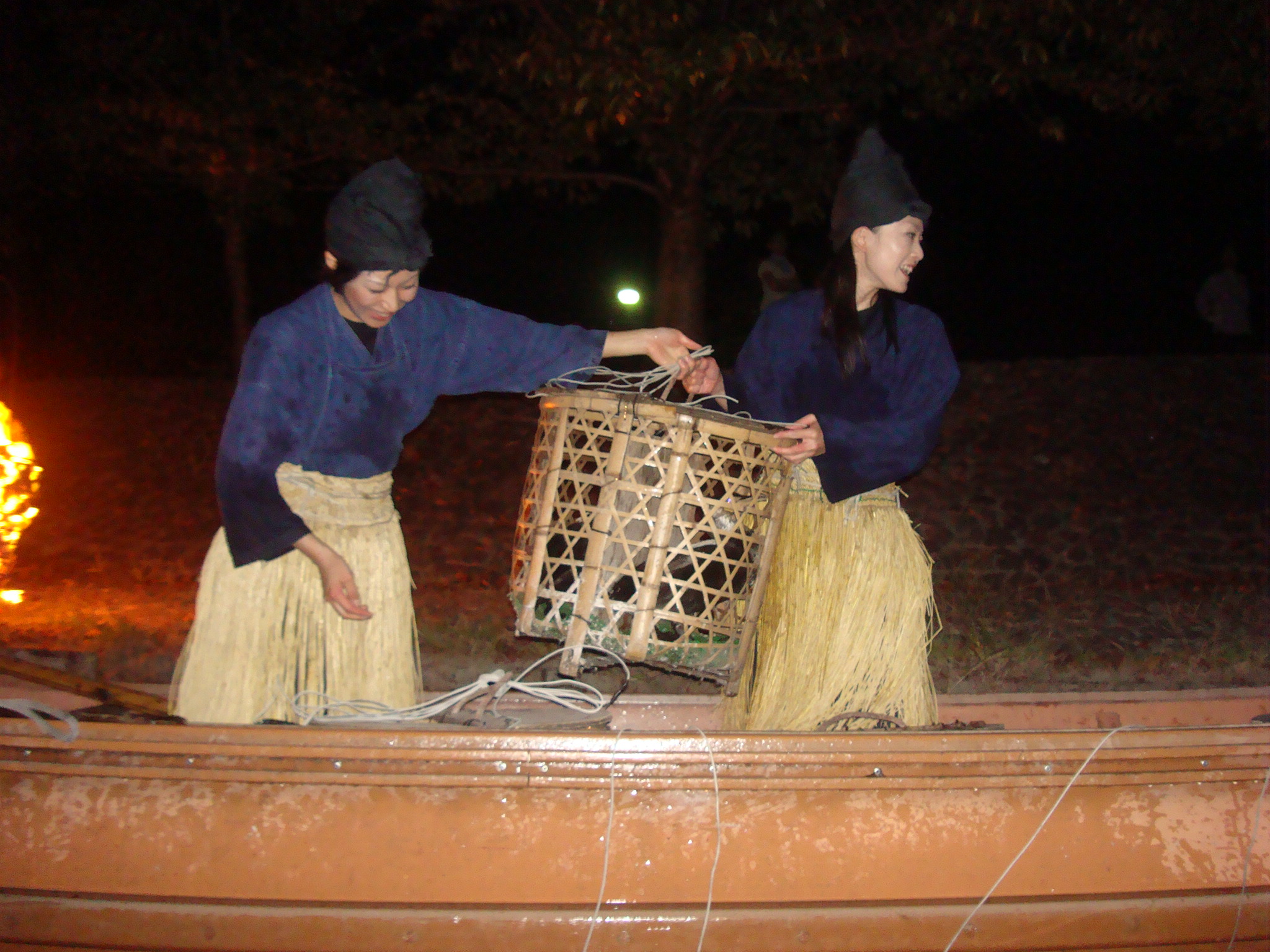
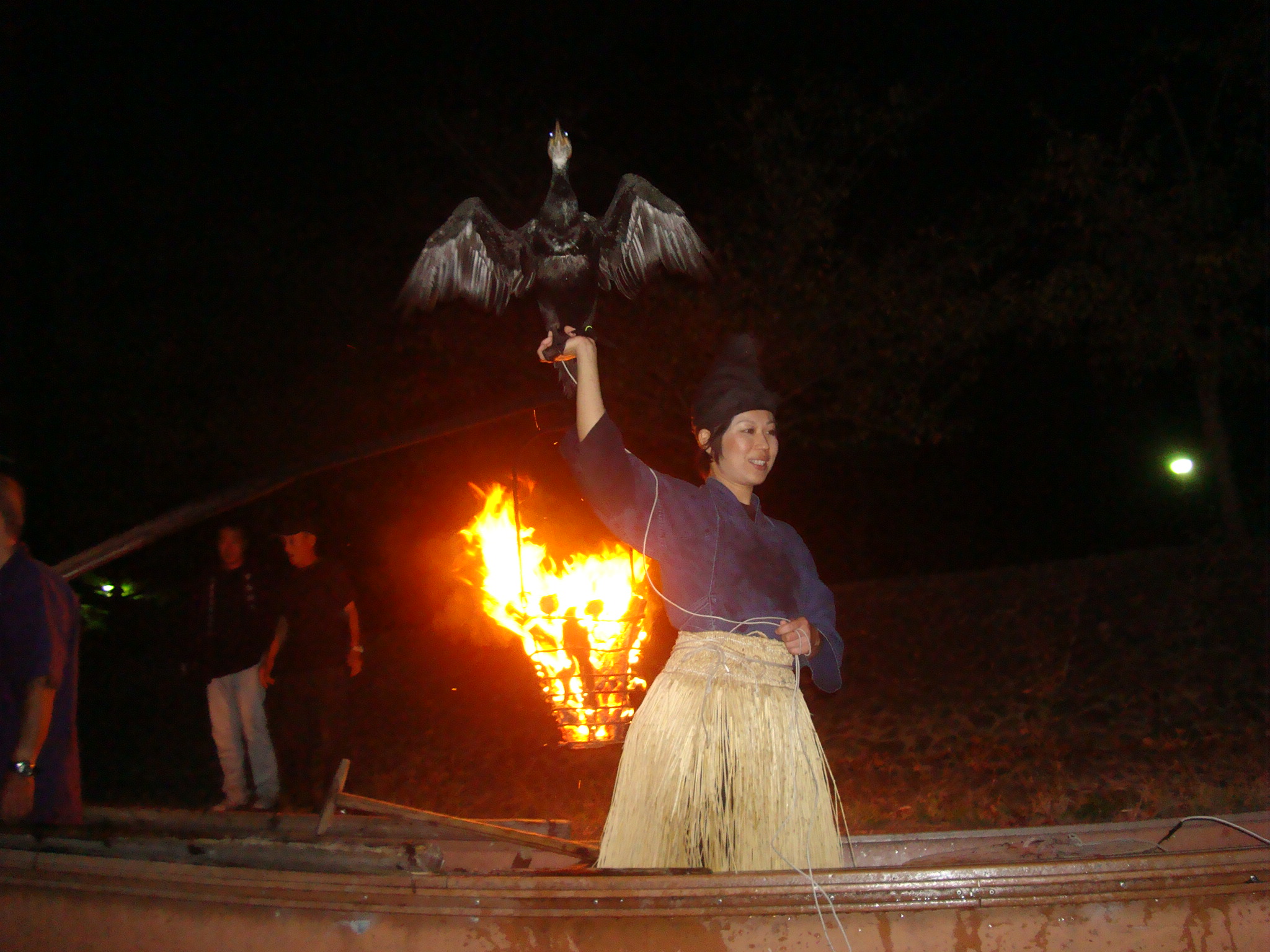
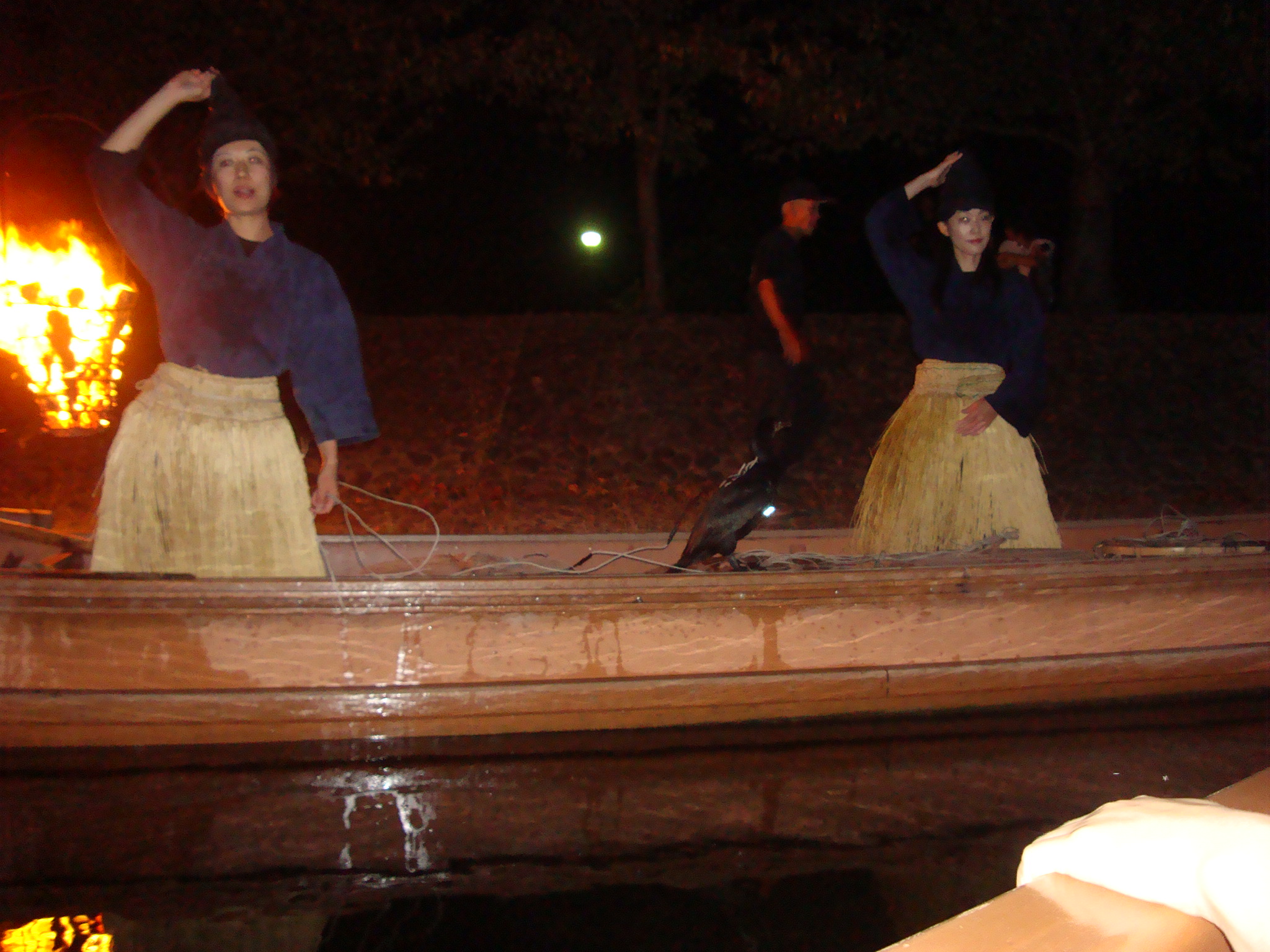
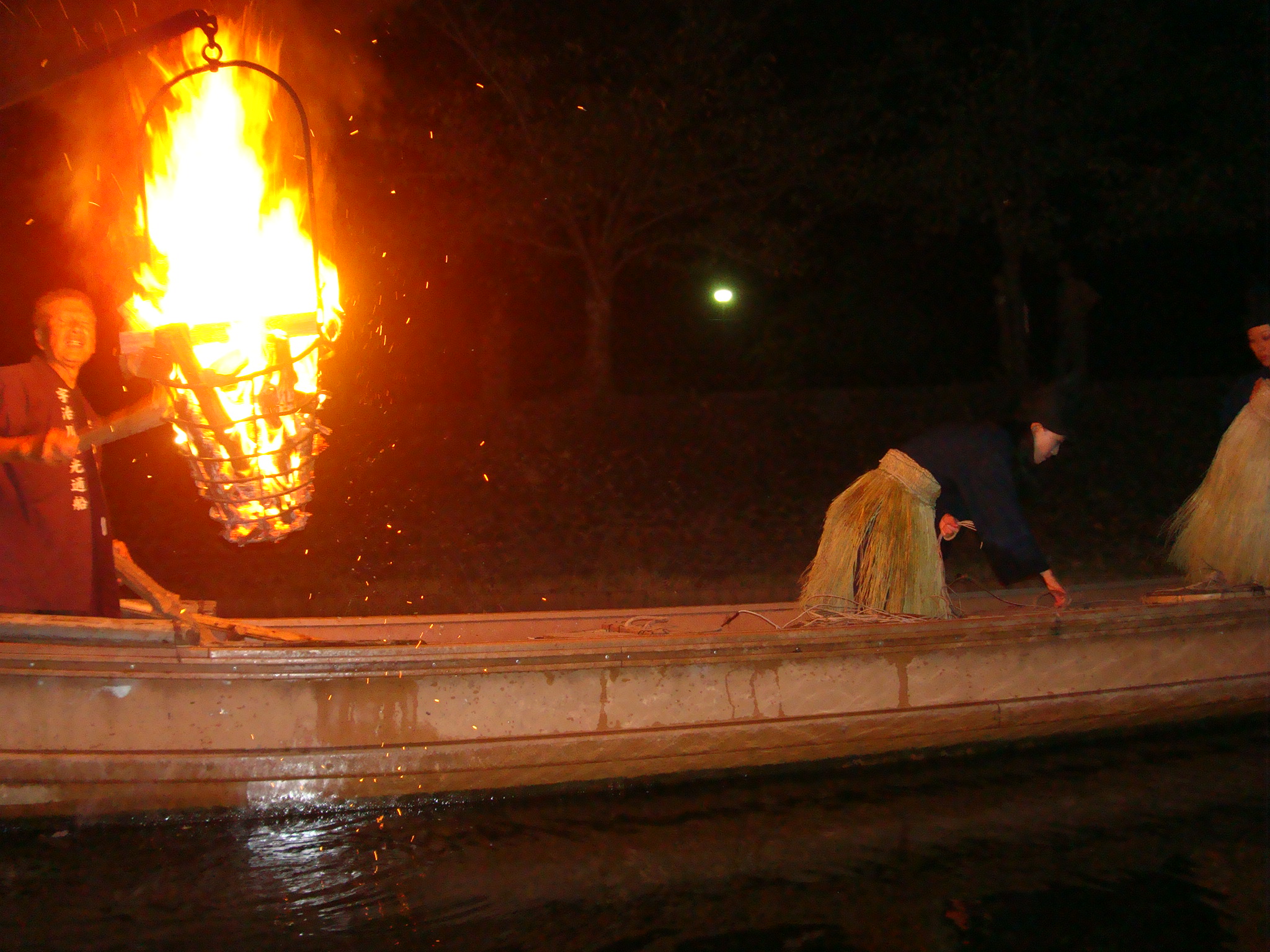
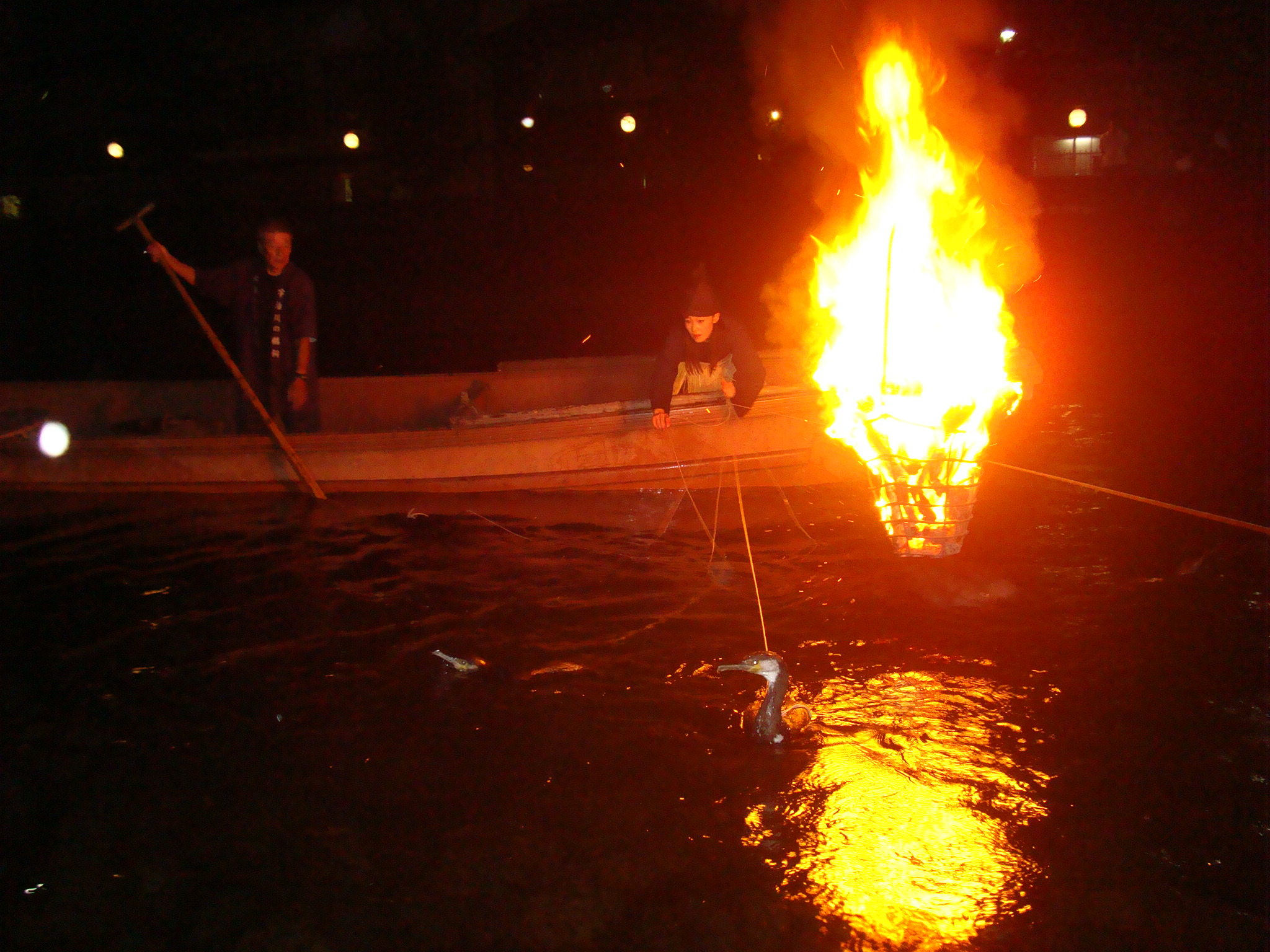
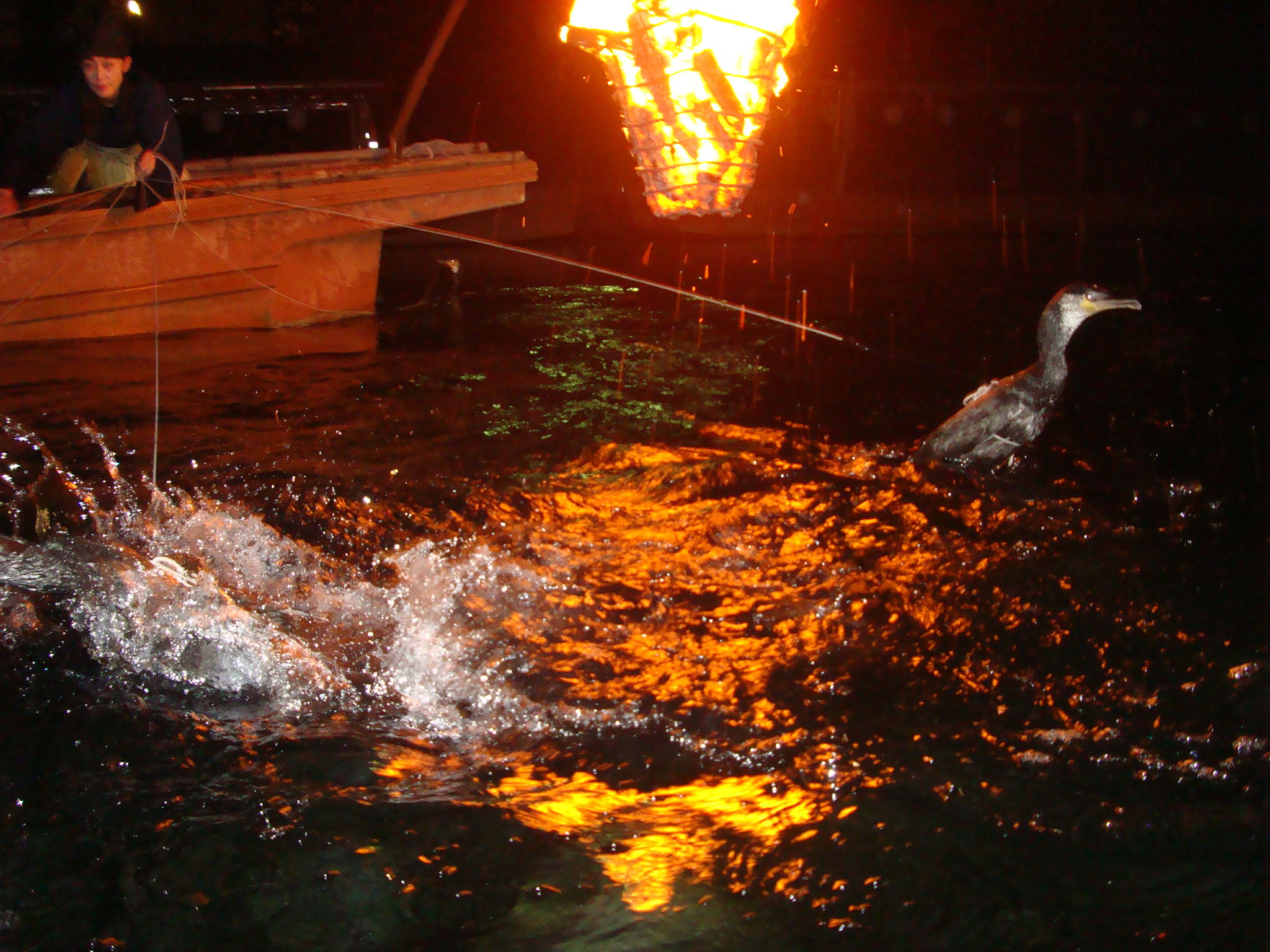
Cormorant fishing (鵜飼) is a traditional method of fishing which has been around for over 1300 years and the event is protected by the Japanese government (and praised by Charlie Chaplin).

There are still 13 cities in Japan where they still fish in this style and in 2009 within my first few weeks of my exchange year I was invited to Uji (宇治市) and taken on a surprise trip to view this ancient art.

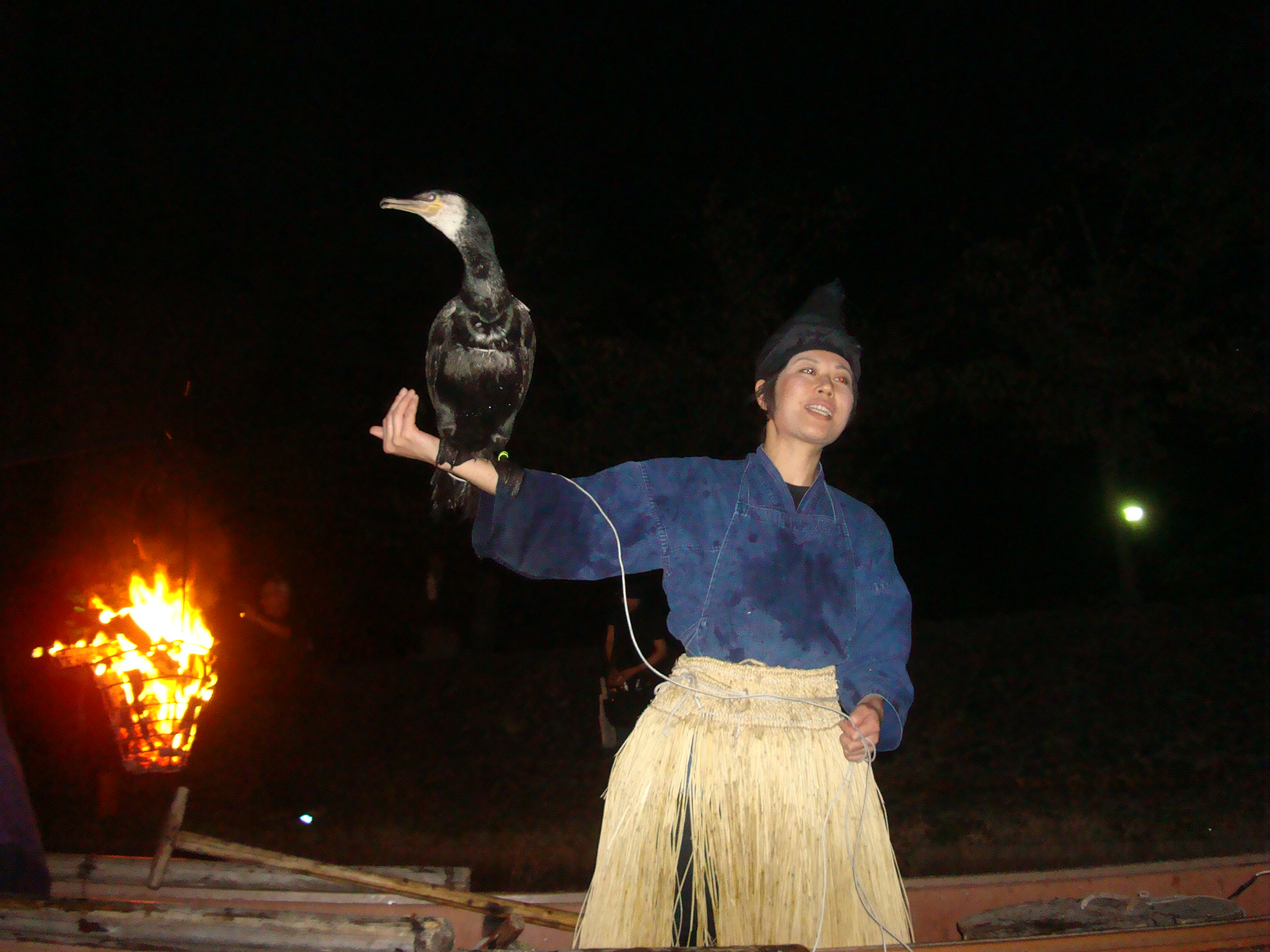
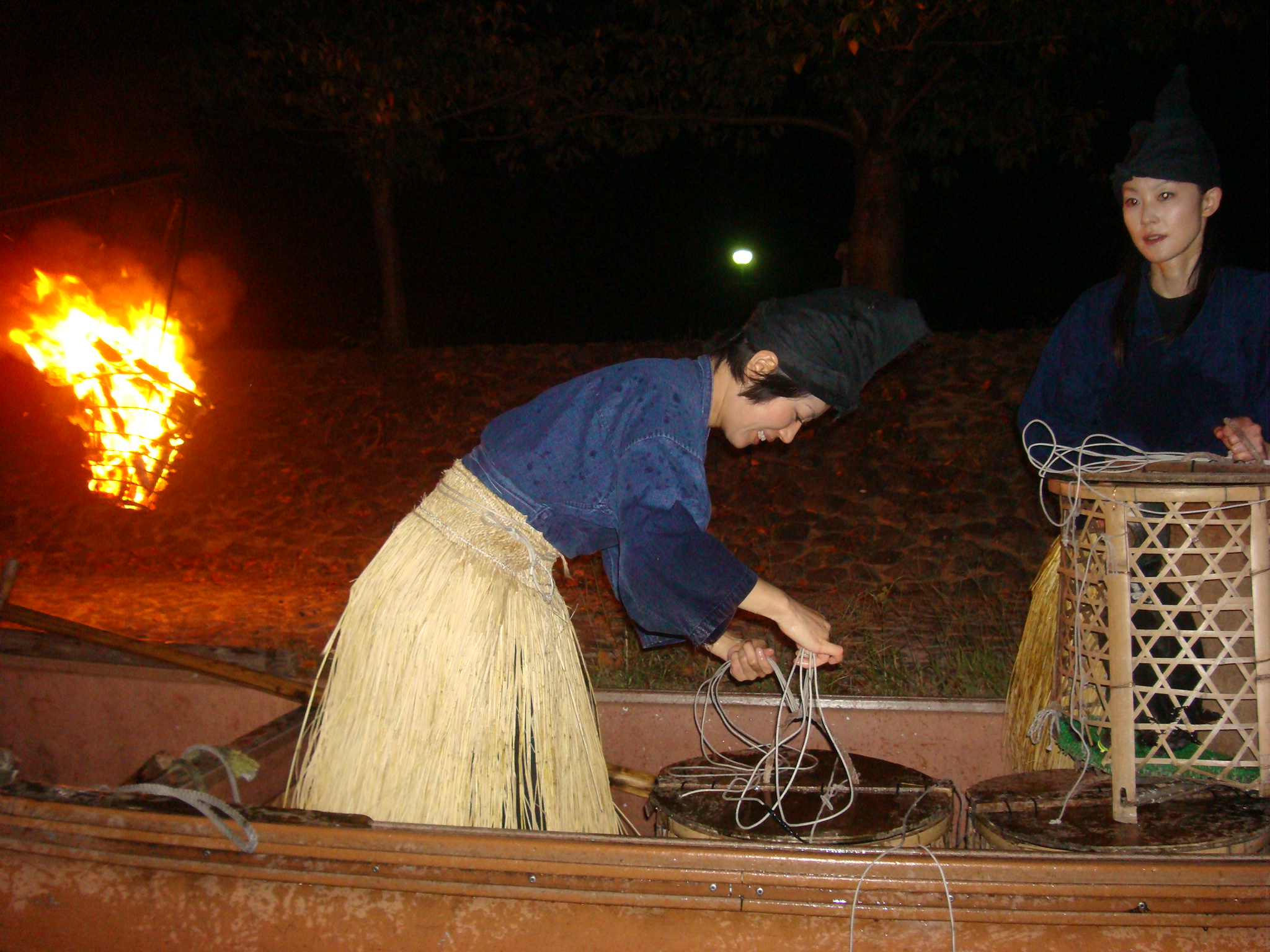
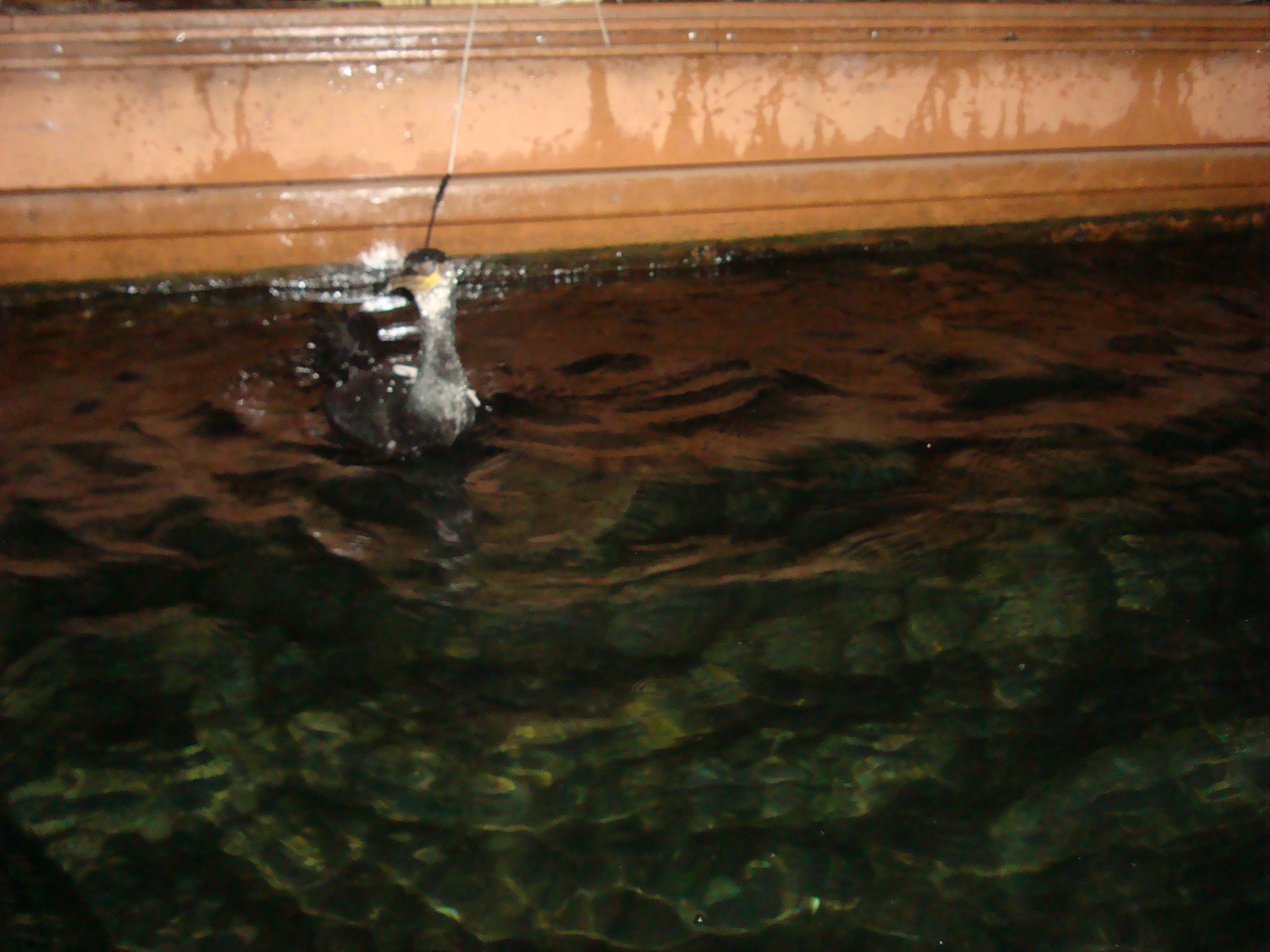
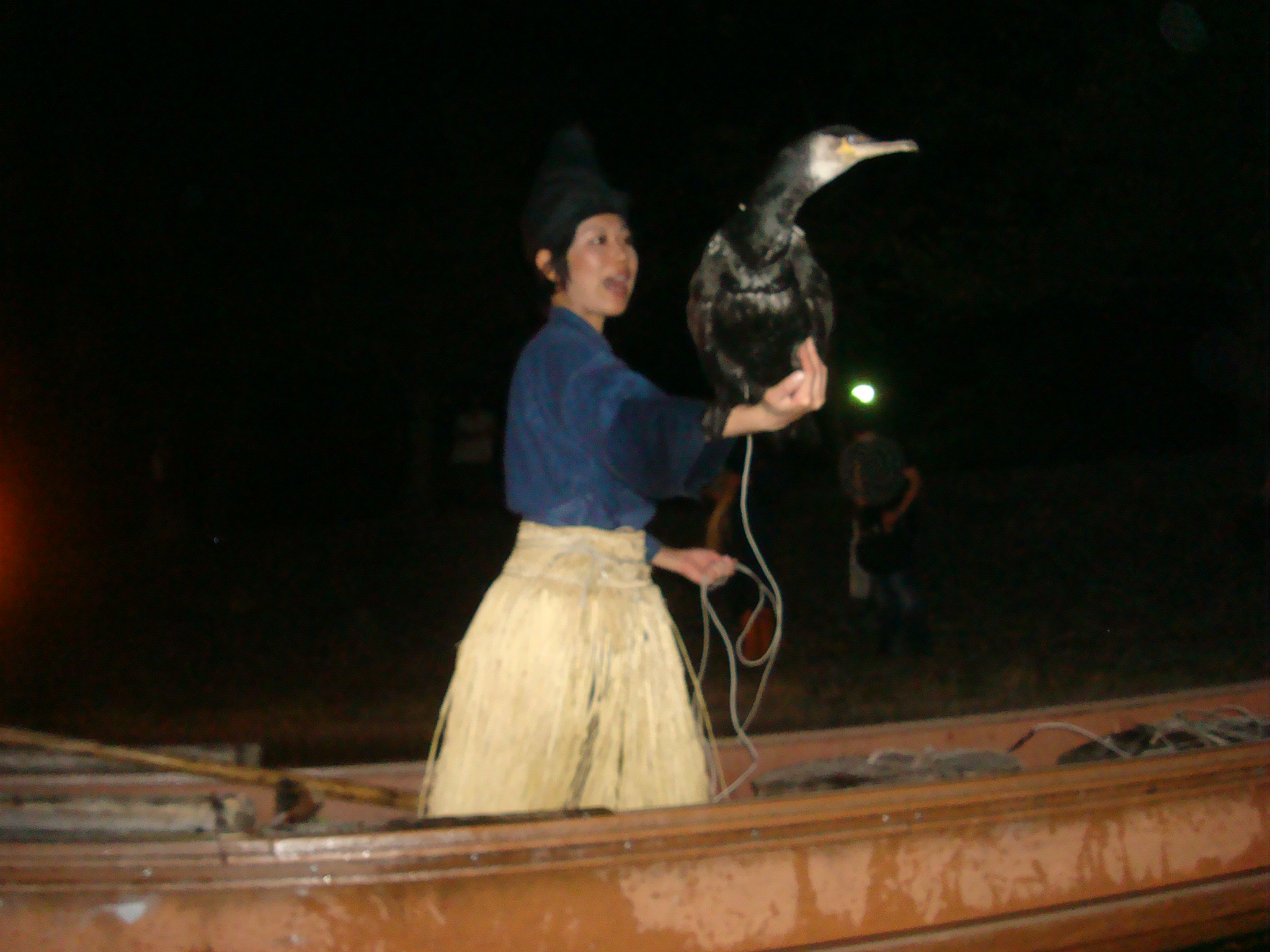
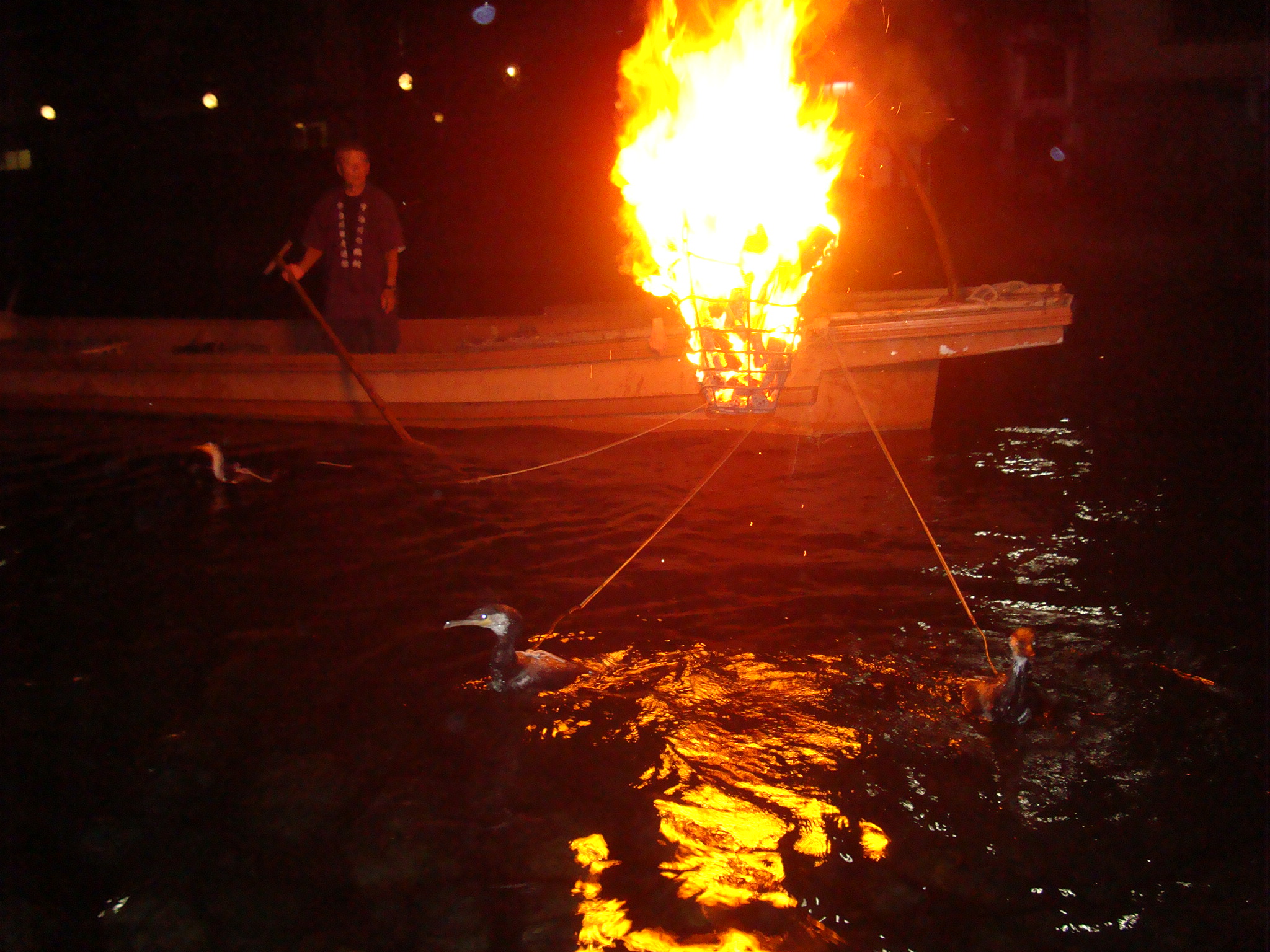
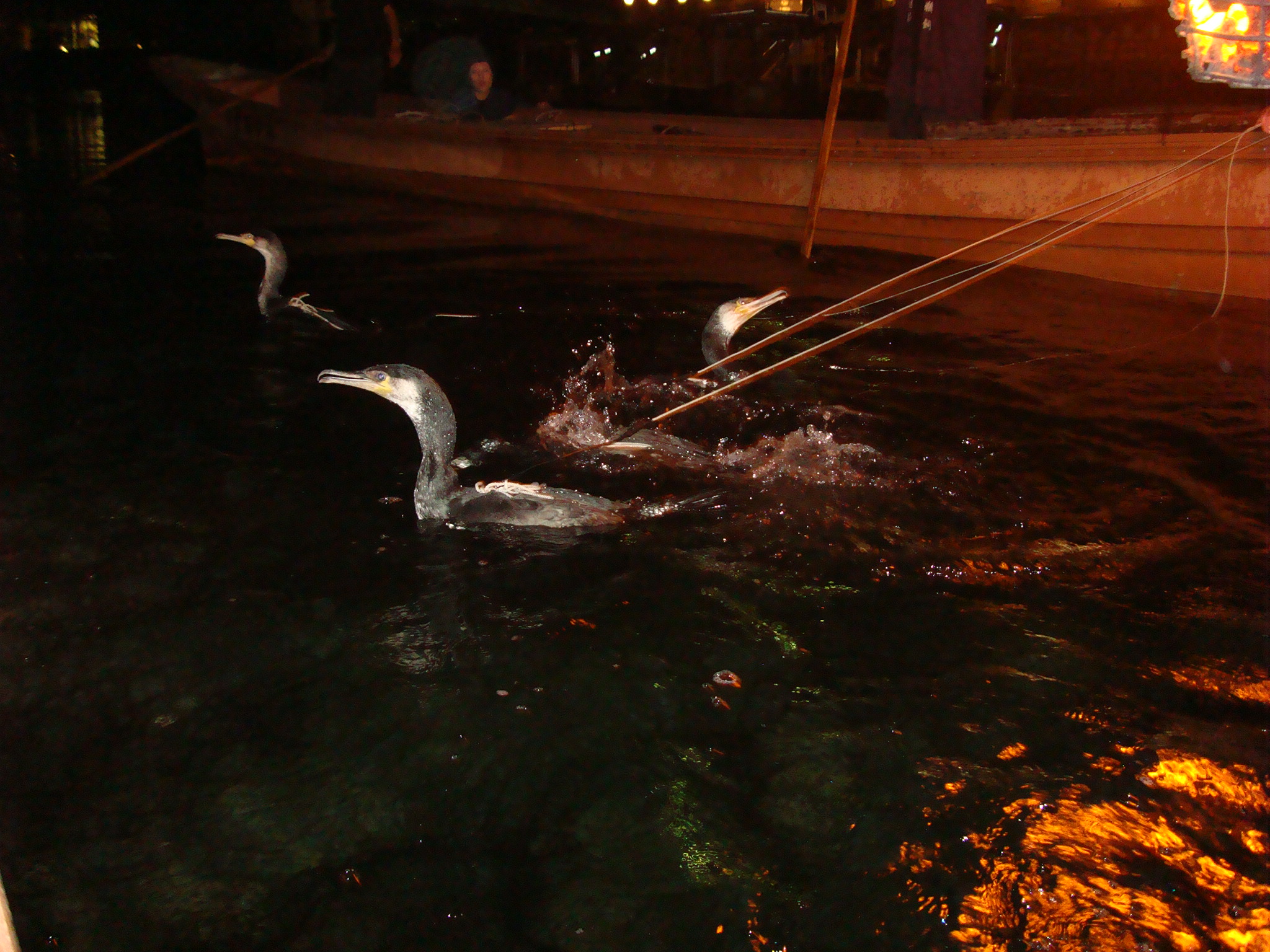
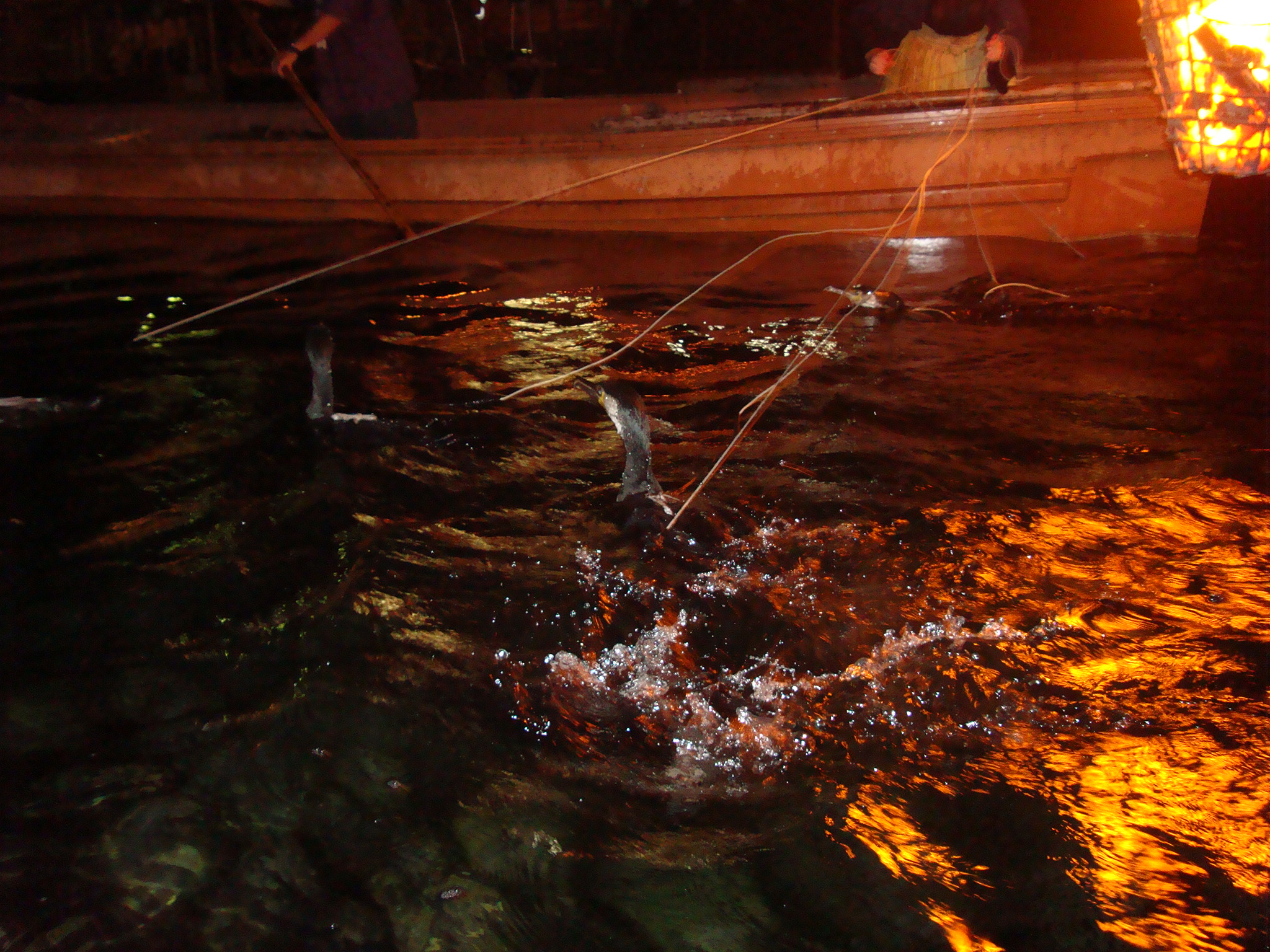
The fishing technique involves a master fisherman (鵜匠) (in this case they were all women as they have nimbler fingers) who controls around 10-12 cormorants by a leashed snare which is placed over their gullets. This snare allows the cormorants to swallow any small fish that they catch but stops them from swallowing larger fish. The snare is more like a ring than a noose and doesn’t choke the birds, in fact fishing cormorant are very well looked after and can live up to 15 years which when compared to wild cormorants that generally live only a few years is quite impressive.

The skill of the ushou (fisherman or cormorant controller) lies in constantly adjusting the leashes so that they don’t become tangled.

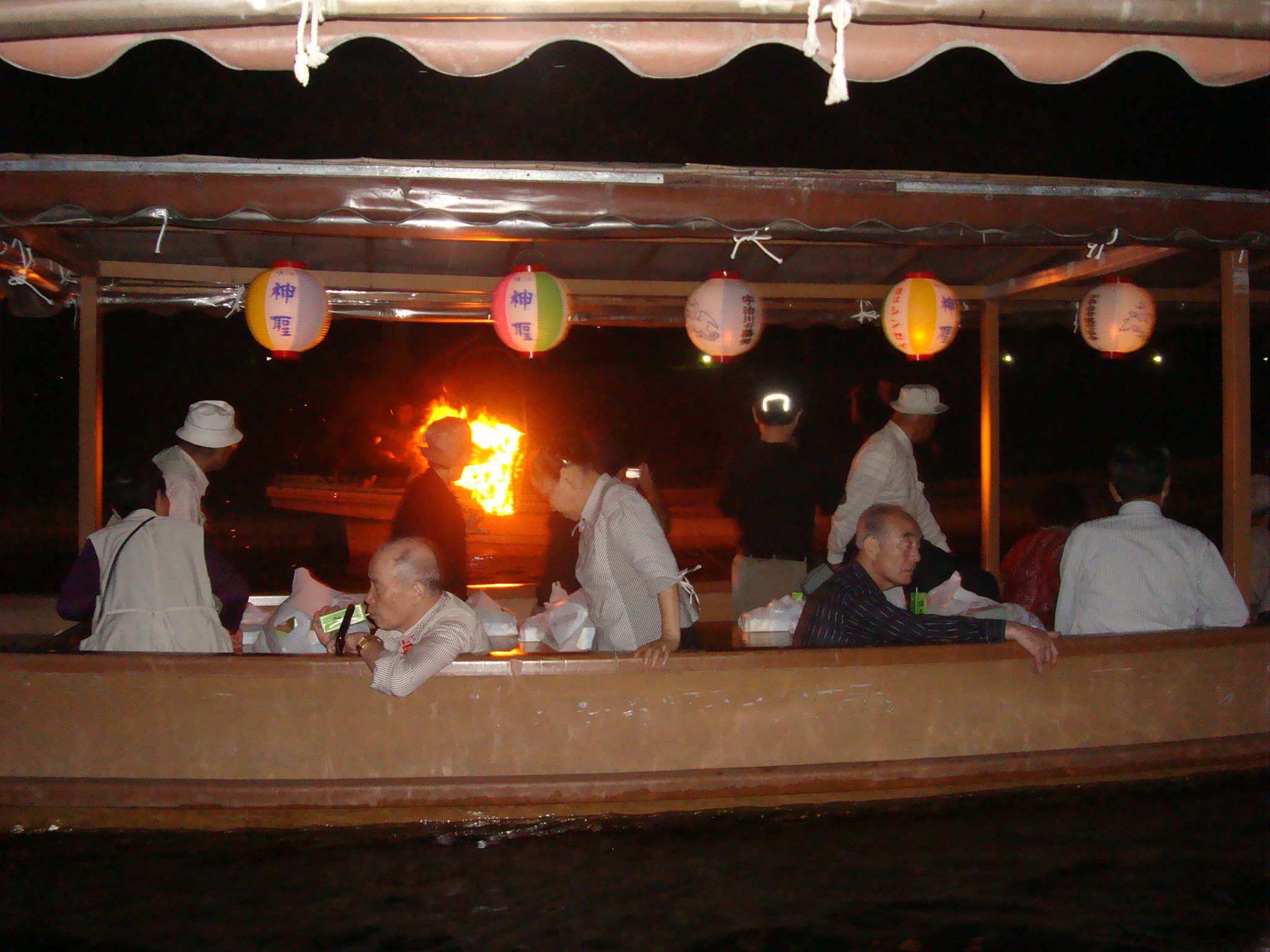
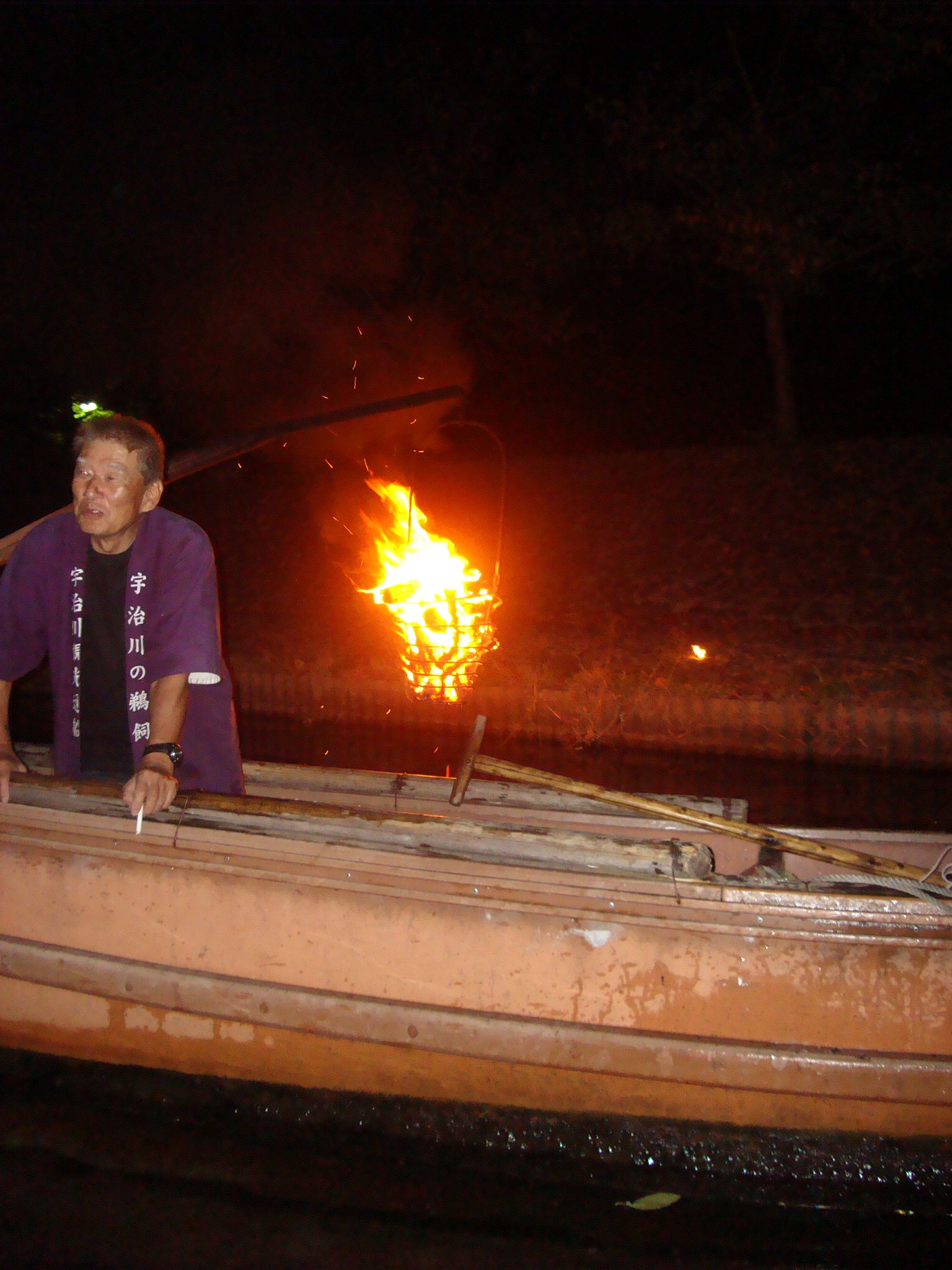
The activity is carried out at night with a burning pine torch elevated over the water being the only light. The torch attracts fish closer to the surface and enables the cormorants to see and swoop for them.

Cormorant Fishing Cormorant Fishing
Cormorant Fishing

If you would like more information on cormorant fishing then check out this Glendale Community College blog .


B’z on Bagpipes? part 1

Blog: Bushido Dreams
Categories: 1-minute read
Tags:

No, really! B’z on bagpipes! Courtesy of my friend Makoto Kaneko who isn’t just a very skilled piper (played at our wedding) but also a champion highland dancer (danced at our wedding).

Makoto has a 5 track CD called ‘Bagpipe The Be Wee Pleasure – B’z Tribute’ and this is track 2.

You can find Makoto on invidio.us .


Castle K (ケー城)

Blog: Bushido Dreams
Categories: 1-minute read
Tags:

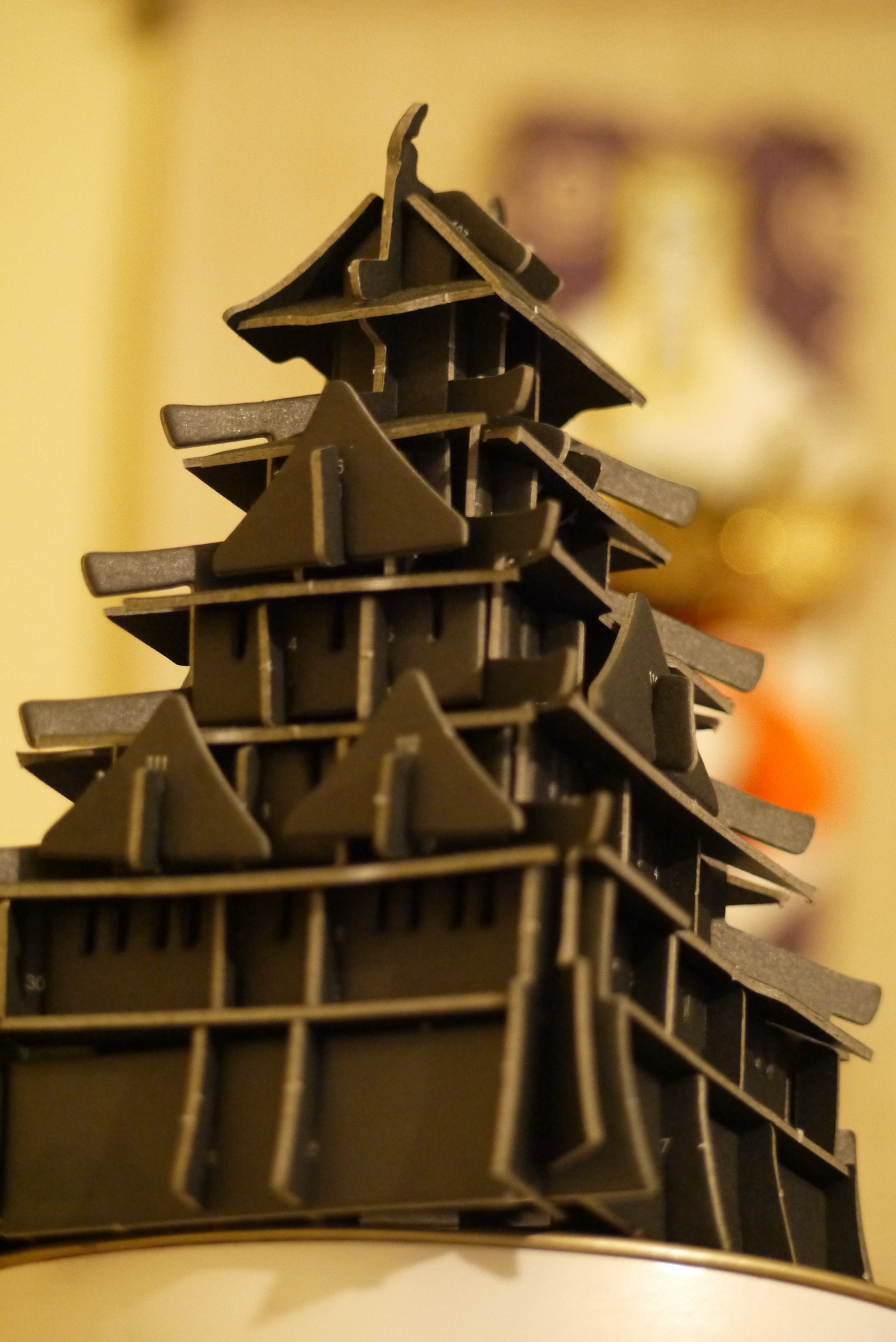
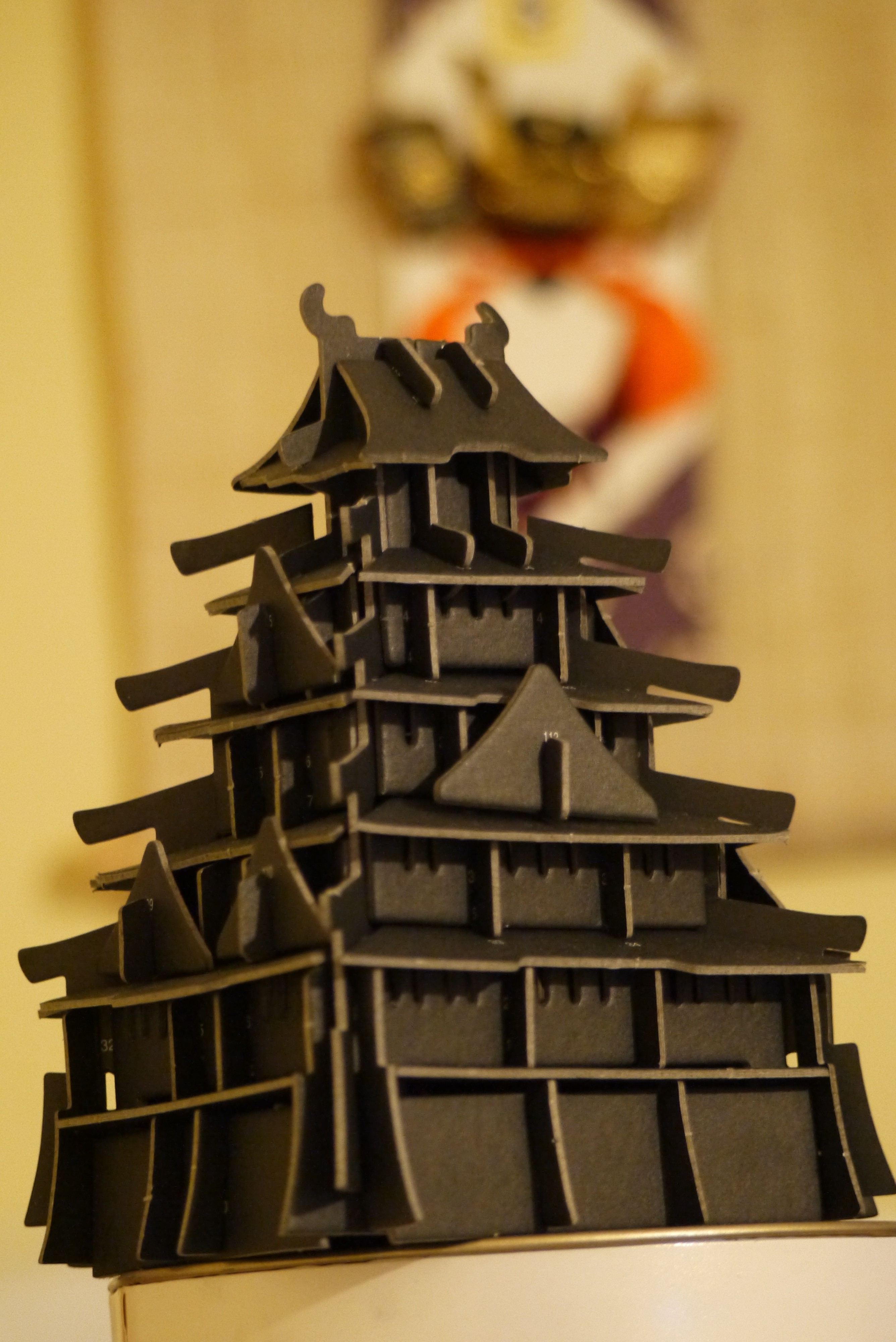
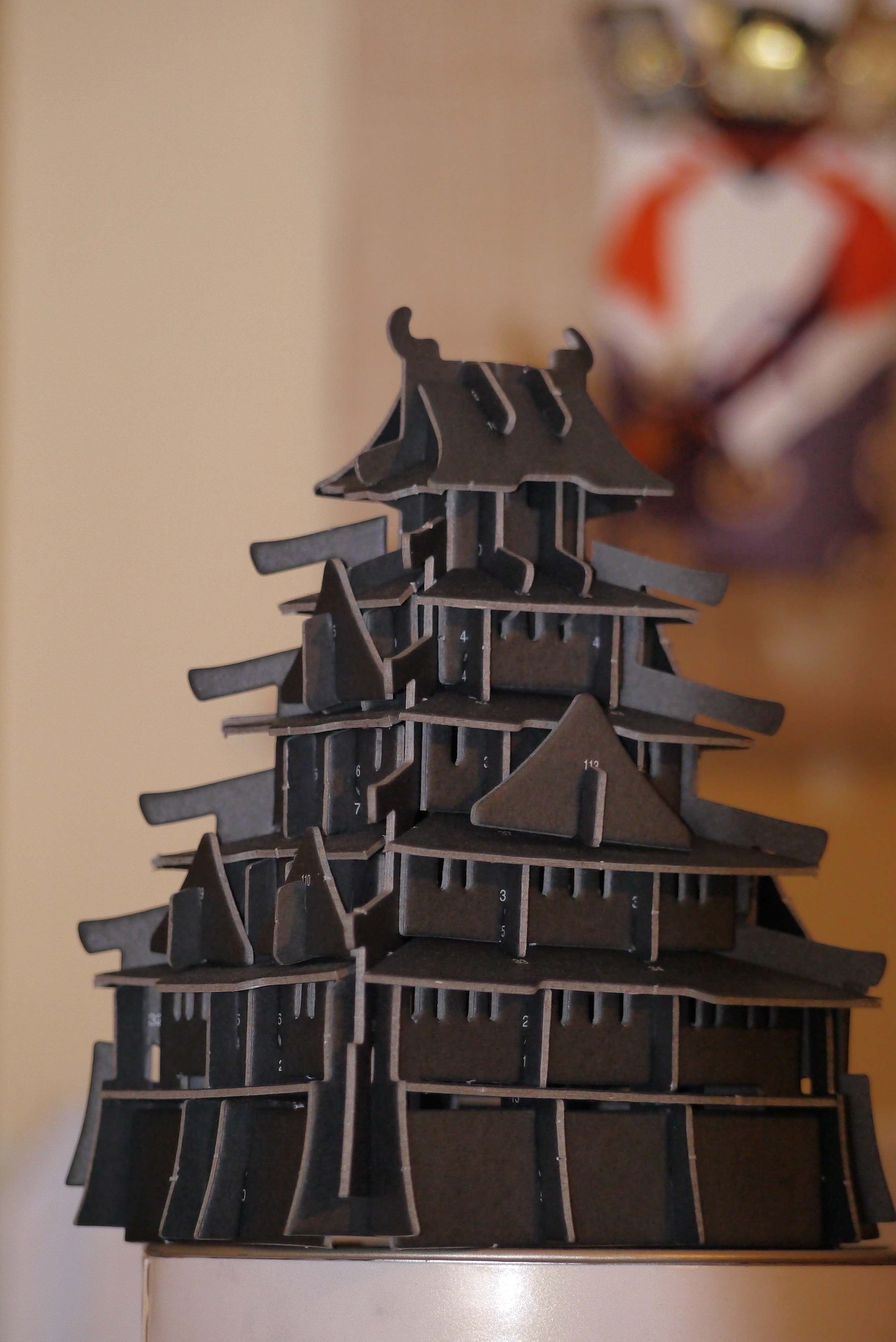
On returning from a recent trip to London, my wife bought me a pretty cool お土産 (souvenir) from MUJI.

A Japanese castle press-out 3D puzzle/model. Currently unavailable in the EU store but for sale (though out of stock) via the German store.

Castle K Castle K
Castle K Castle K

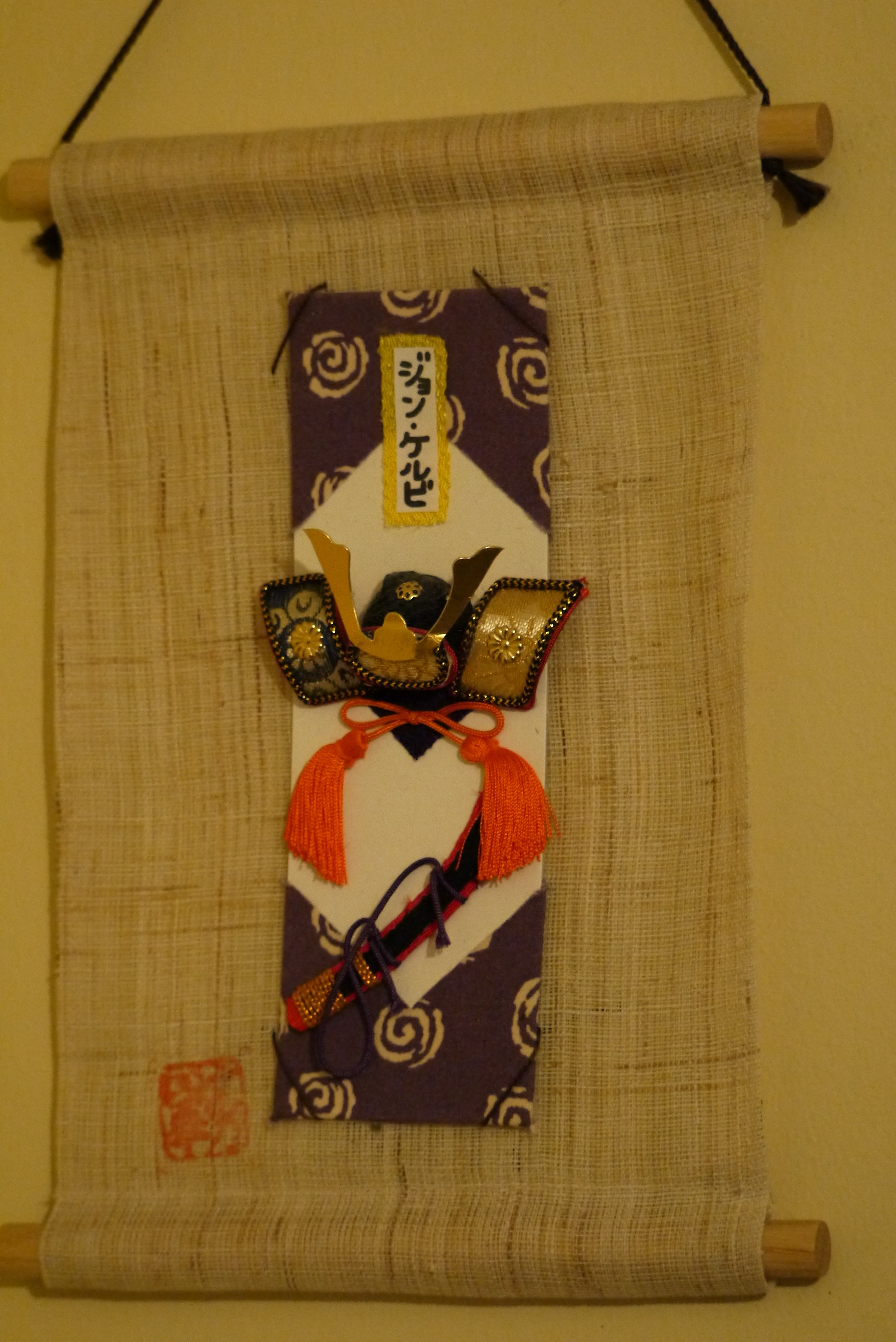
The last picture (which is the background of the first three) is of a hanging decoration that my wife made for me when we were dating back in Japan.


Hotei Tomoyasu (布袋寅泰) vs Tak Matsumoto (松本孝弘)

Blog: Bushido Dreams
Categories: 2-minute read
Tags:

I have a good friend who is a BIG fan of B’z and I am grateful to him for introducing me to this excellent band. However, we have a running debate in which we only disagree by the narrowest of margins.

The difference of opinion is who is the best guitarist between Tomoyasu Hotei (布袋寅泰) and Tak Matsumoto (松本孝弘) who is the guitarist from the main pairing that makes up B’z. Though I’d stress at this point my friend also likes Tomoyasu Hotei but he favours Tak Matsumoto.

My opinion is that Tak Matsumoto is a fantastic guitarist but he has to share the limelight with his band’s lead singer Koshi Inaba (稲葉浩志) and therefore cannot let loose in the way that Tomoyasu Hotei can and frequently does.

However, Hotei-san is his band and he frequently plays with a different array of instrumentalists. This from a guitar perspective gives him the edge (in my opinion) though as a package B’z are a more professional and organised outfit, with a better singer.

We’ll probably never see them go head to head, so it’ll remain one of those unanswerable questions. Attached is one of my favourite of his videos 「カラス」in which he and mental drummer Tatsuya Nakamura (中村達也) go to town.. this is why to me Hotei wins.

Though I respect my friend’s opinion and position :).

Obviously, I could post a video of Tak Matsumoto for comparison but I genuinely don’t know which B’z song most strongly displays his guitar prowess.


Ceart – Notes on Lesson 2

Blog: Kilted Scot
Categories: 5-minute read
Tags:

Despite the pace of lesson 2 there were some interesting notes and facts to keep us going through the intensity.

Firstly, the word “cat” in Gaelic is cat and that’s because the word “cat” in English comes for the Gaelic for “cat” which is cat. I may have dragged that out a little, the original sentence was too short to be particularly interesting.

Tha is a very frustrating useful word, it is the affirmative answer to a question starting with a bheil which loosely means “are” and therefore tha loosely means “am” as such it can appear to mean “yes” but it doesn’t. However, it can also mean “there is” or “there are” when using prepositional statements/questions which end with the preposition+pronoun combinations such as agam, agad or aice. I am fairly certain in future lessons we are going to discover that it harbours even more meanings!

Towards the end of the class, in pairs we played through a waiter & customer scenario to practice phrases such as Dè tha thu ag iarraidh? (What would you like to order?) and Tha mi ag iarraidh … (I would like …). At which point we learned neach-frithealaidh which means “waiting person” but which is never practically used in Gaelic.

My usual (2 weeks in a row) partner is also an absolute beginner so we swapped partners and I was with a lovely lady whose parents both spoke Islay Gaelic and so she is familiar with some of the language. We ran through the following conversation a few times, swapping roles on each iteration:

neach-frithealaidh: Feasgar MathIain: Feasgar Math neach-frithealaidh: Ciamar a tha thu an-diugh?

Iain: Tha mi gu math tapadh leat, ciamar a tha thu-fhèin?

neach-frithealaidh: Tha mi gu math tapadh leat. Dè tha thu ag iarraidh?

Iain: Tha mi ag iarraidh brot, tapadh leat.

neach-frithealaidh: A bheil thu ag iarraidh aran agus ìm?

Iain: Tha, tapadh leat.

neach-frithealaidh: Ceart. Tha thu ag iarraidh brot le aran agus ìm. Dè tha thu ag òl?

Iain: A bheil uisge-beatha agad?

neach-frithealaidh: Chan eil. Tha mi duilich. Chan eil uisge-beatha agam.

Iain: A bheil fìon dearg agad?

neach-frithealaidh: Tha gu dearbh. Gloinne fìon dearg?

Iain: Botul. Tha mi sgìth agus fuar agus fliuch.

neach-frithealaidh: Glè mhath. Tha thu ag òl iarraidh botul fìon dearg.

waiter: Good evening.Iain: Good evening. waiter: How are you today?

Iain: I am well thank you, how are you yourself?

waiter: I am well thank you, what would you like to order?

Iain: I would like soup, thank you.

waiter: Would you like bread and butter?

Iain: yes, thanks.

waiter: OK. You would like soup with bread and butter. What you you like to drink?

Iain: Do you have whisky?

waiter: No, we don’t. I’m sorry. We have no whisky.

Iain: Do you have red wine?

waiter: Yes indeed we do. A glass of read wine?

Iain: a bottle. I am tired, cold and wet.

waiter: Very good. You would like a bottle of red wine.

My learned partner was very complimentary on my pronunciation (just being polite I’m sure) and asked if I wanted to try the conversation without referring to the script. To this I replied “No, I most certainly do not want to try that” and after a little gentle persuasion we did anyway. I played Iain.. and I did it, I only fucking did it! Went through the whole conversation without once referring to the script.. chuffed, I am!

Interesting phrases/vocab picked up during this lesson

Gàidhlig English
eadar-theangaich translate (lit: between tongues)
an-diugh today
dè a Ghàidhlig a th’air …? what is … in Gaelic?
air ais gu … go back to …
a rithist again
tha mi duilich i’m sorry*
ceart OK/fine
falt hair**
ghruag wig**

* duilich doesn’t just mean sorry, it also means sad and/or difficult.. the sentence tha mi duilich can mean any of the three.

** in this week’s miserable song Gràidh Geal Mo Chridh’ the final line in the final verse goes ‘S thug thu ghruag bhàrr mo chìnn which is translated in the notes as “My hair is thinned” referring to the woman’s physical state since her love left her. However, according to our tutor from Lewis ghruag doesn’t mean “hair”, it means “wig” so her translation was “you took the wig from atop my head” which added a little amusement to a depressing song!

Lastly, it occurred to me during this class that I really need to get a Gaelic<->English dictionary but apparently there aren’t any good ones! The most recommended was one called ‘Abair: Gaelic-English, English-Gaelic Dictionary’ which cost about £4.95 to buy new, but there are questions over whether or not it is still printed. I’ve found a few copies online varying from around £20 to £2,£499.50 (honestly!) which suggests that perhaps they are indeed limited in supply. I’ll maybe have to trawl around some old second hand bookshops!

I had a quick look online earlier too and found a couple of useful links:

The latter three actually all came from the first link and I haven’t explored them for long but I think they could be very useful resources for furthering my Gaelic knowledge.


Pre-Wedding Pictures

Blog: Bushido Dreams
Categories: 1-minute read
Tags:

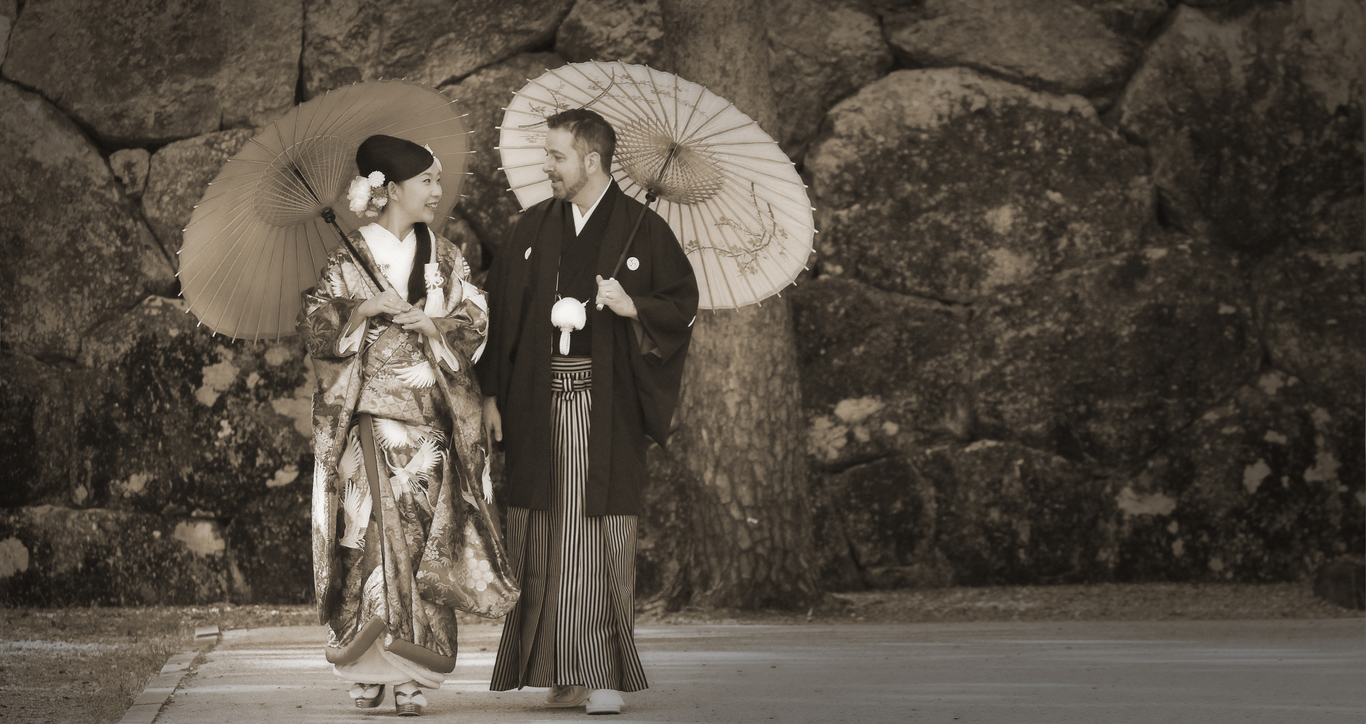
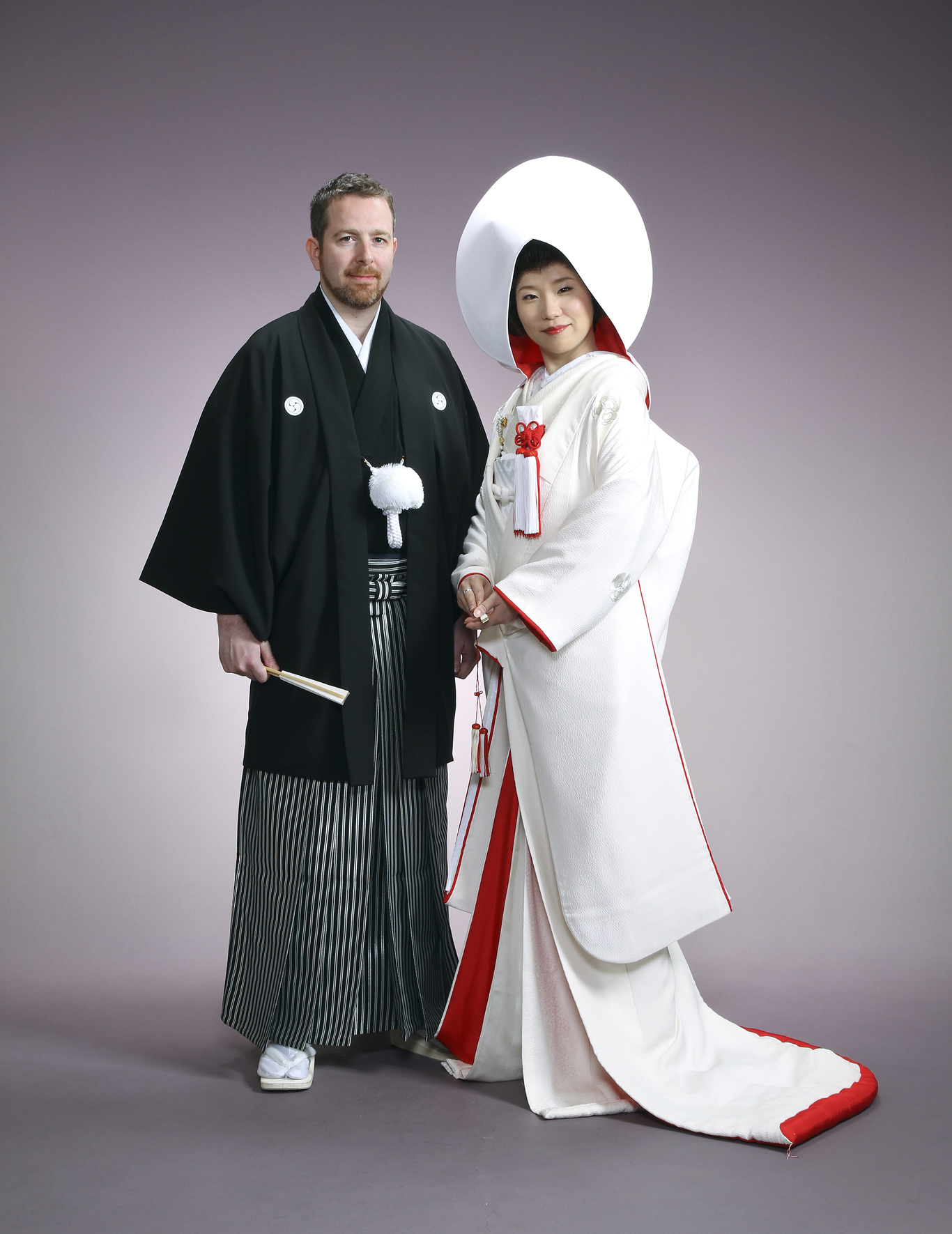
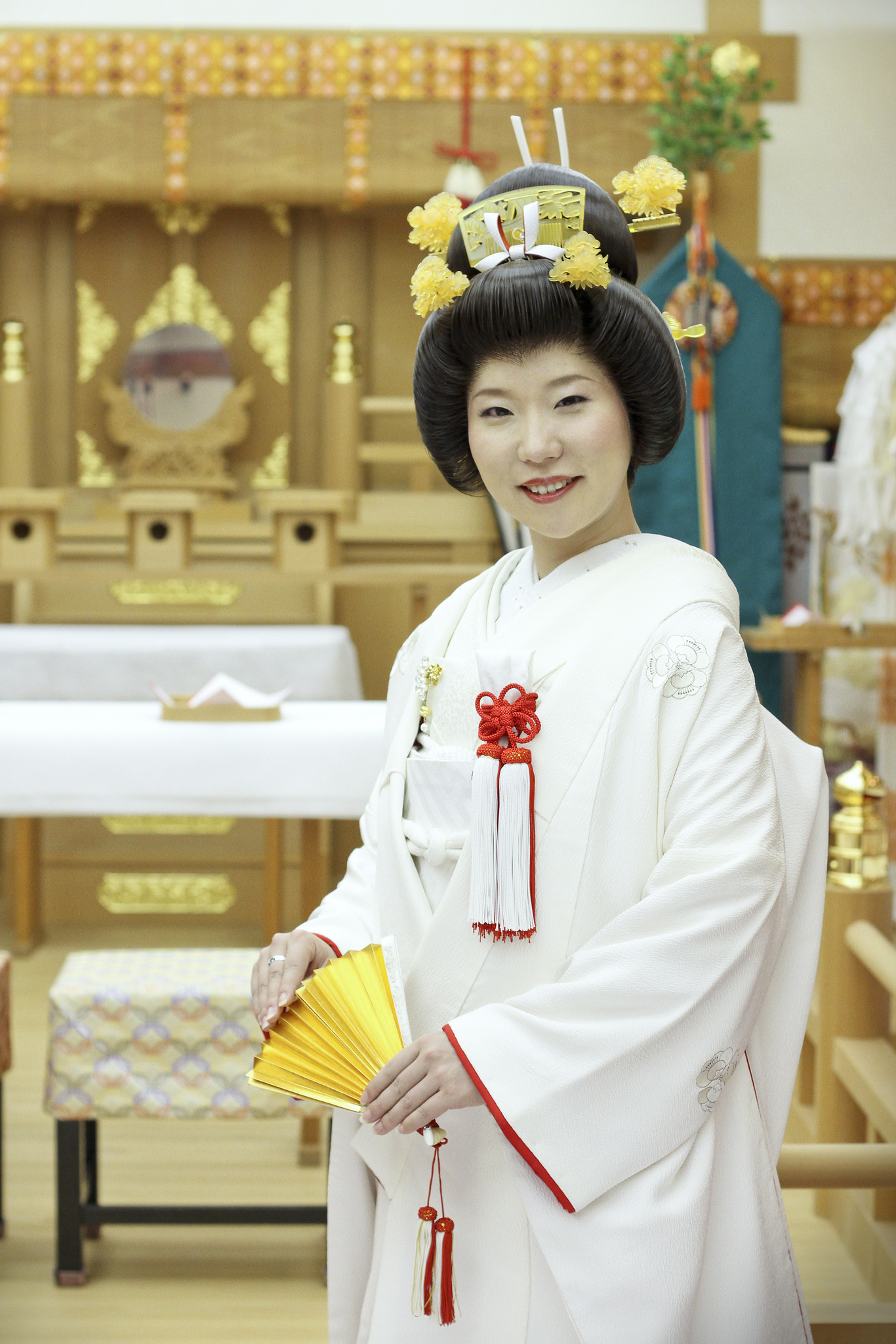
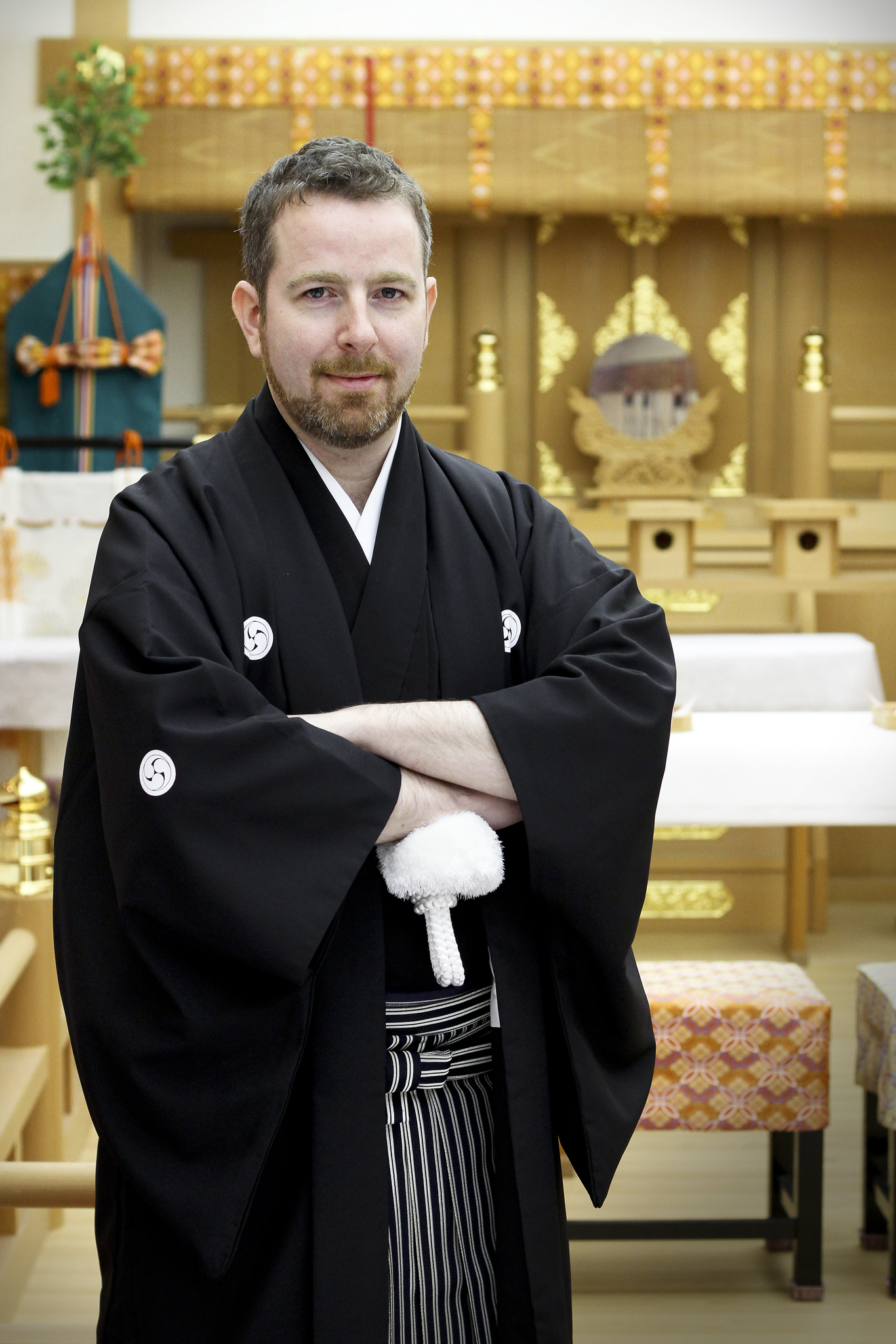
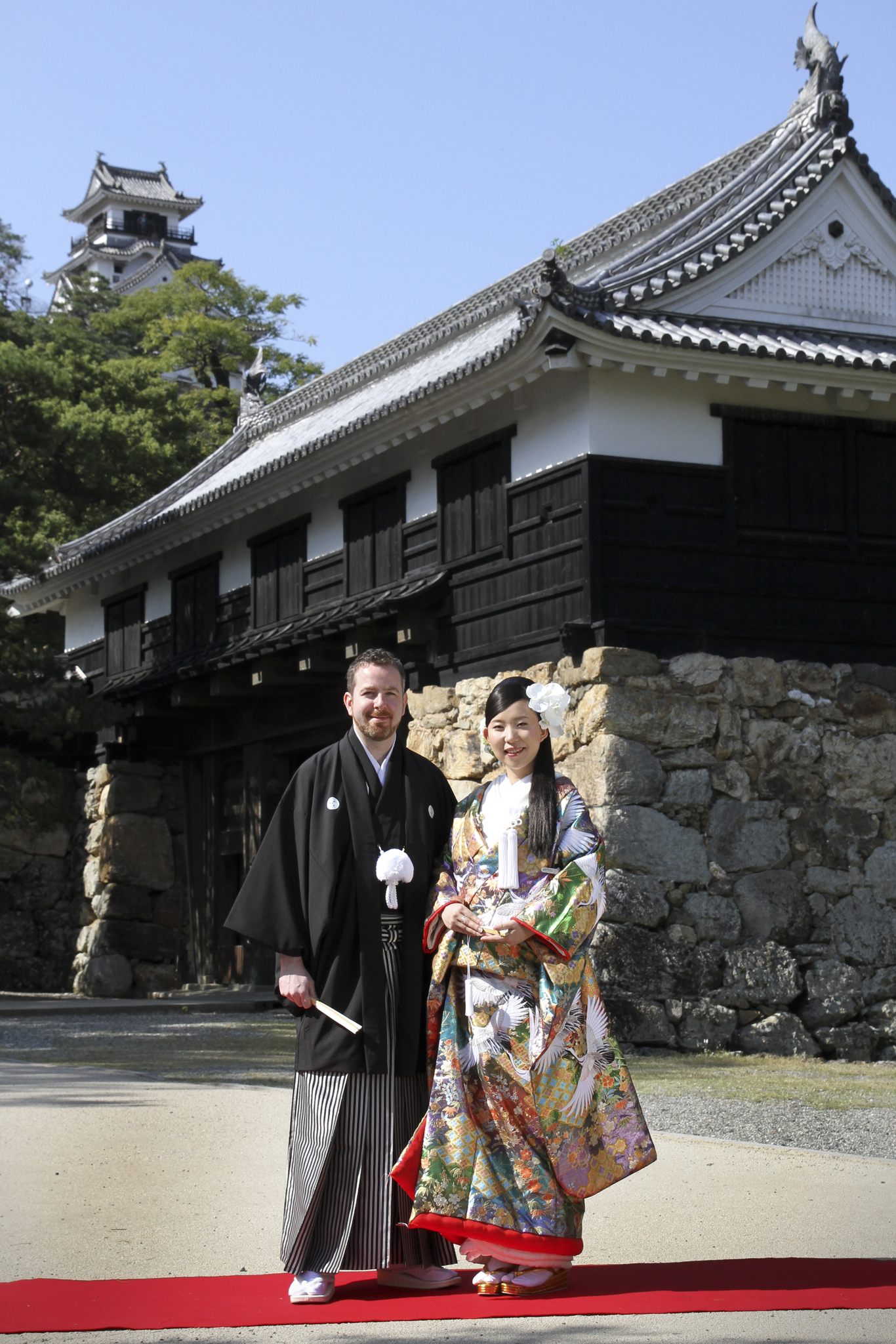
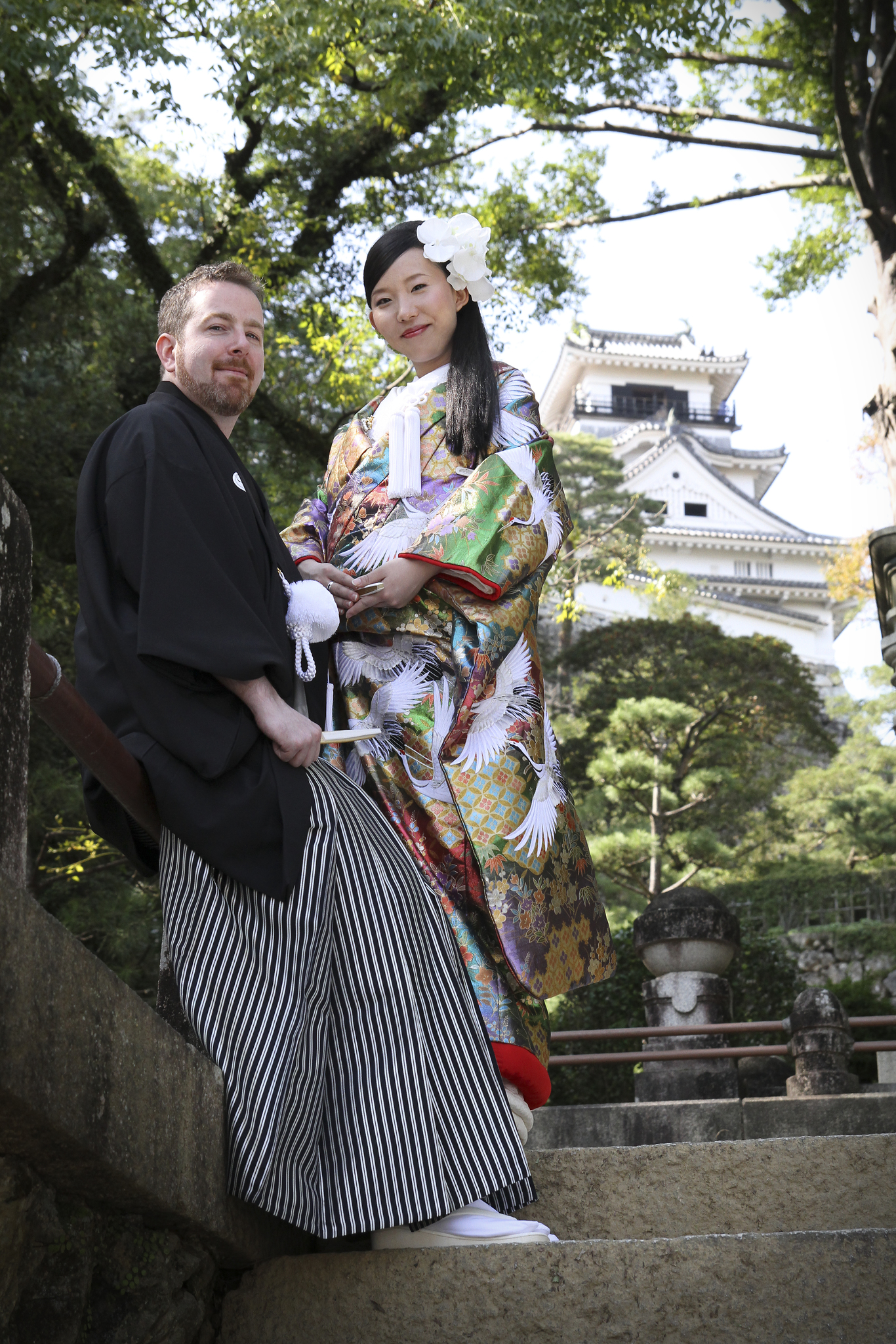
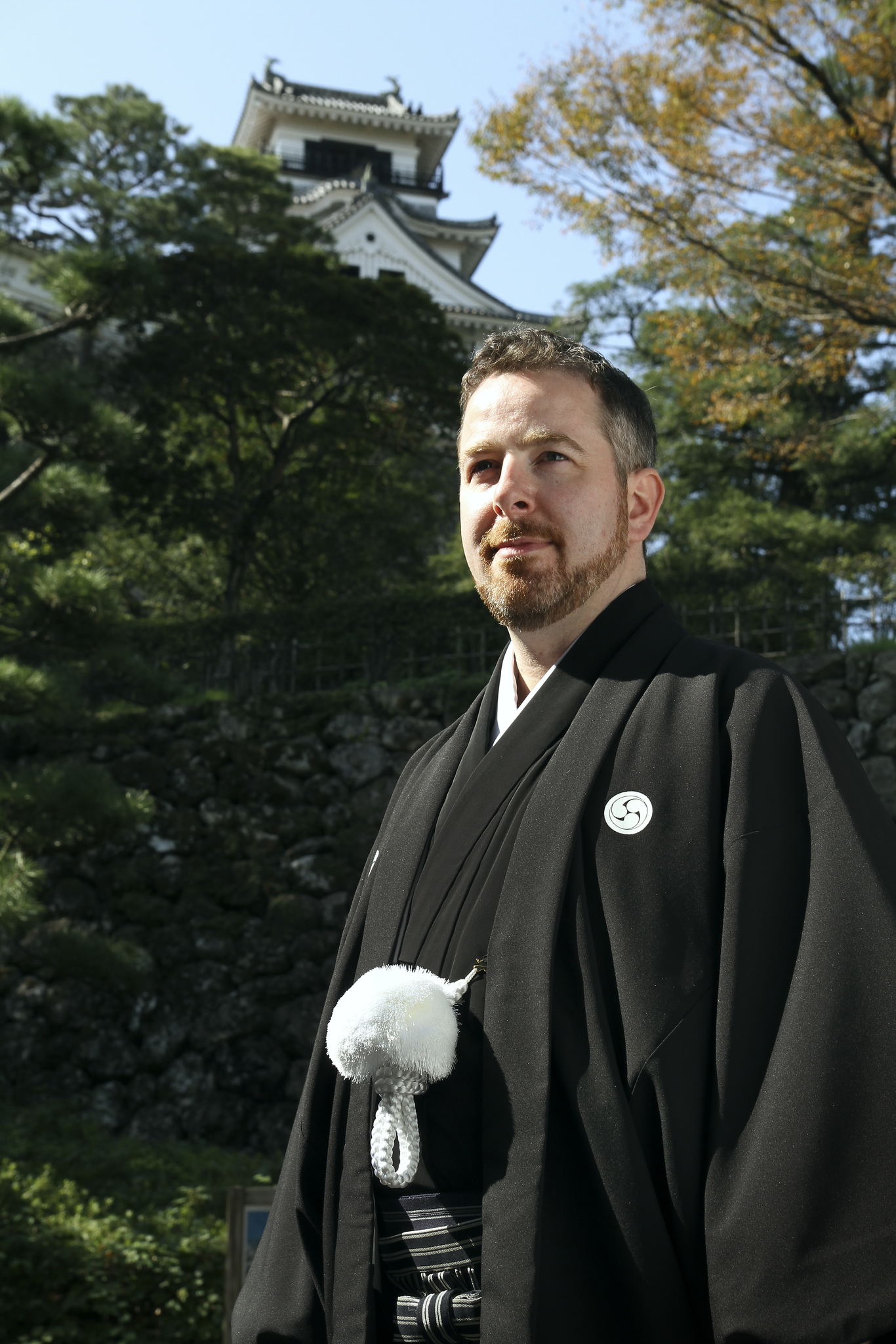
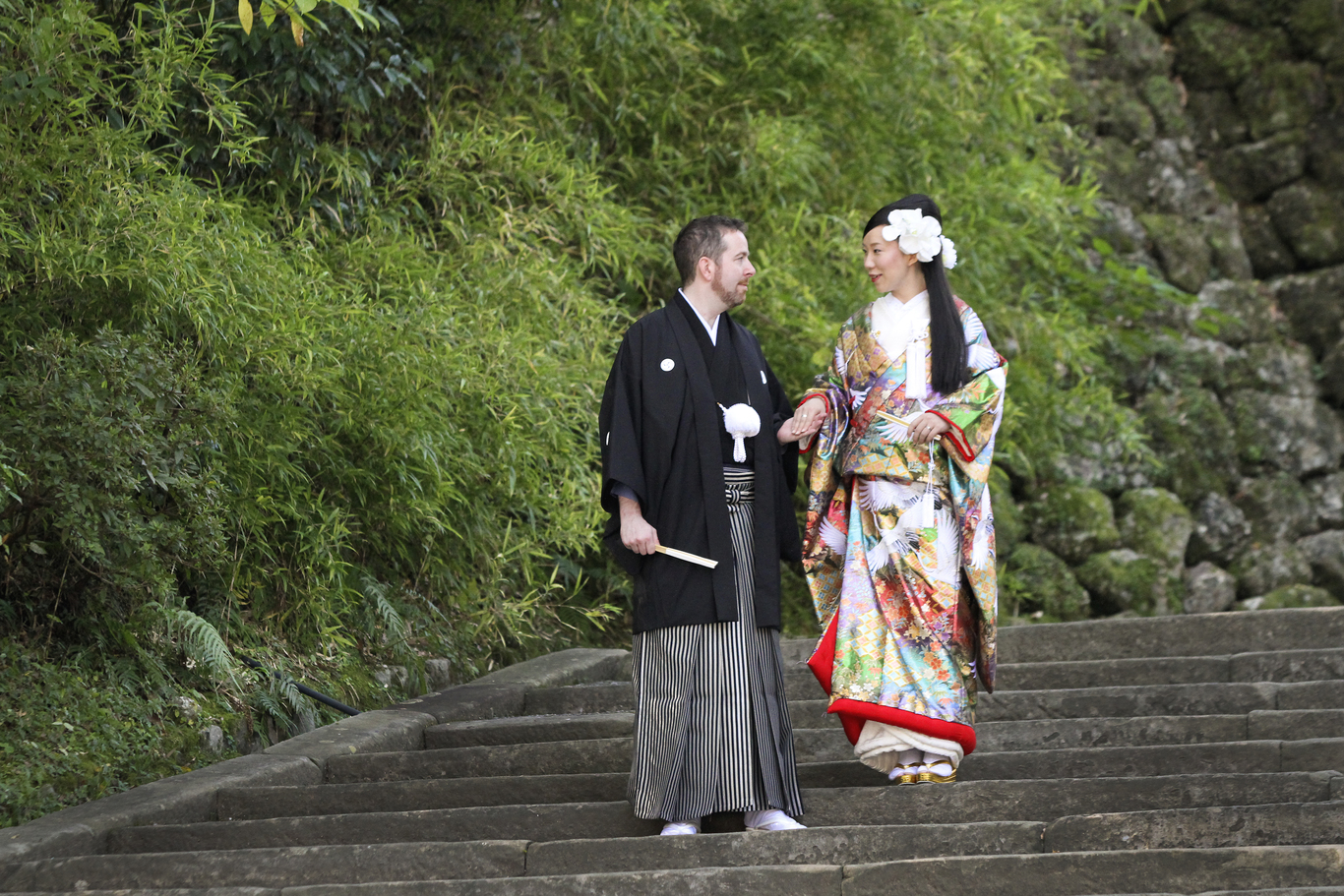
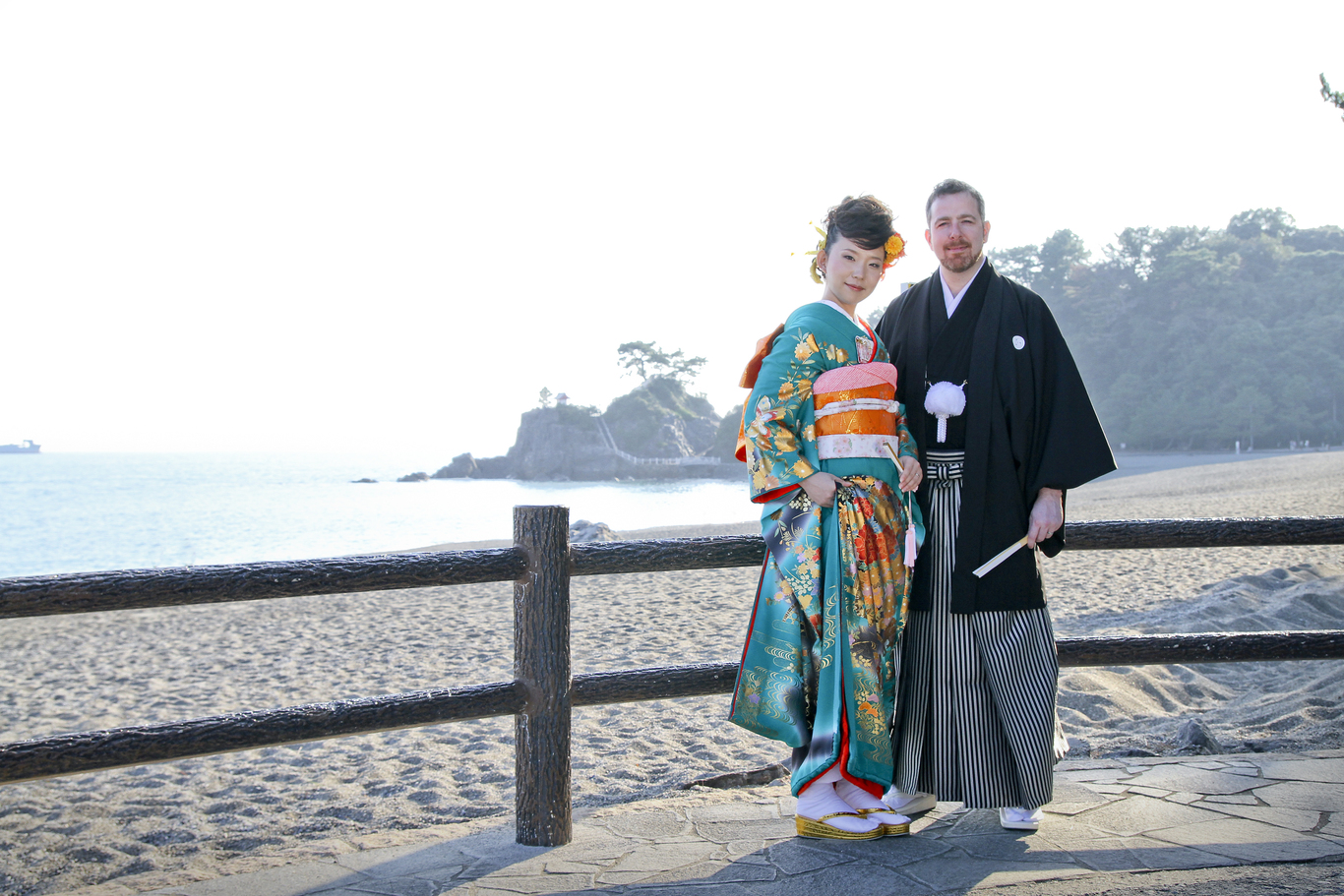
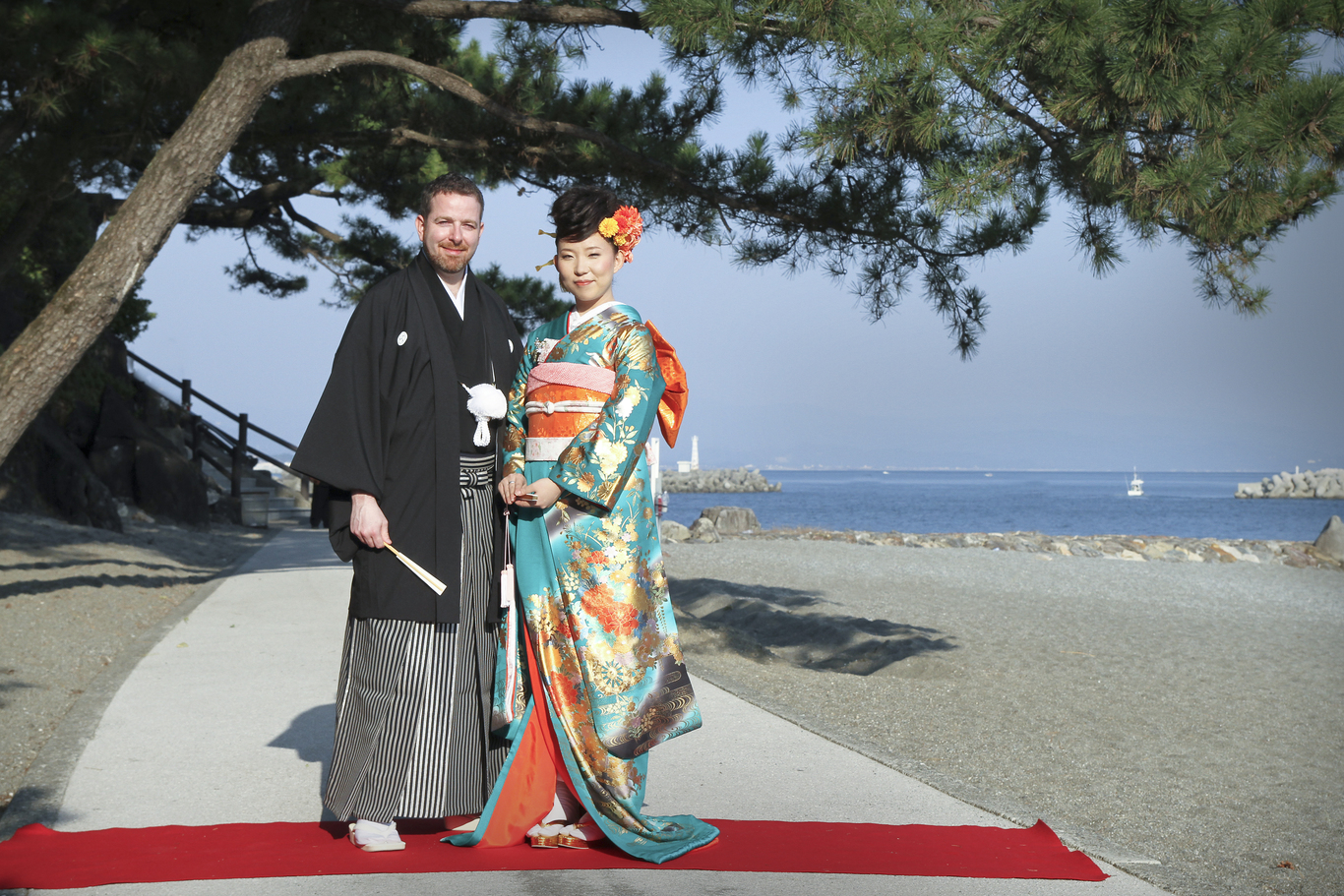
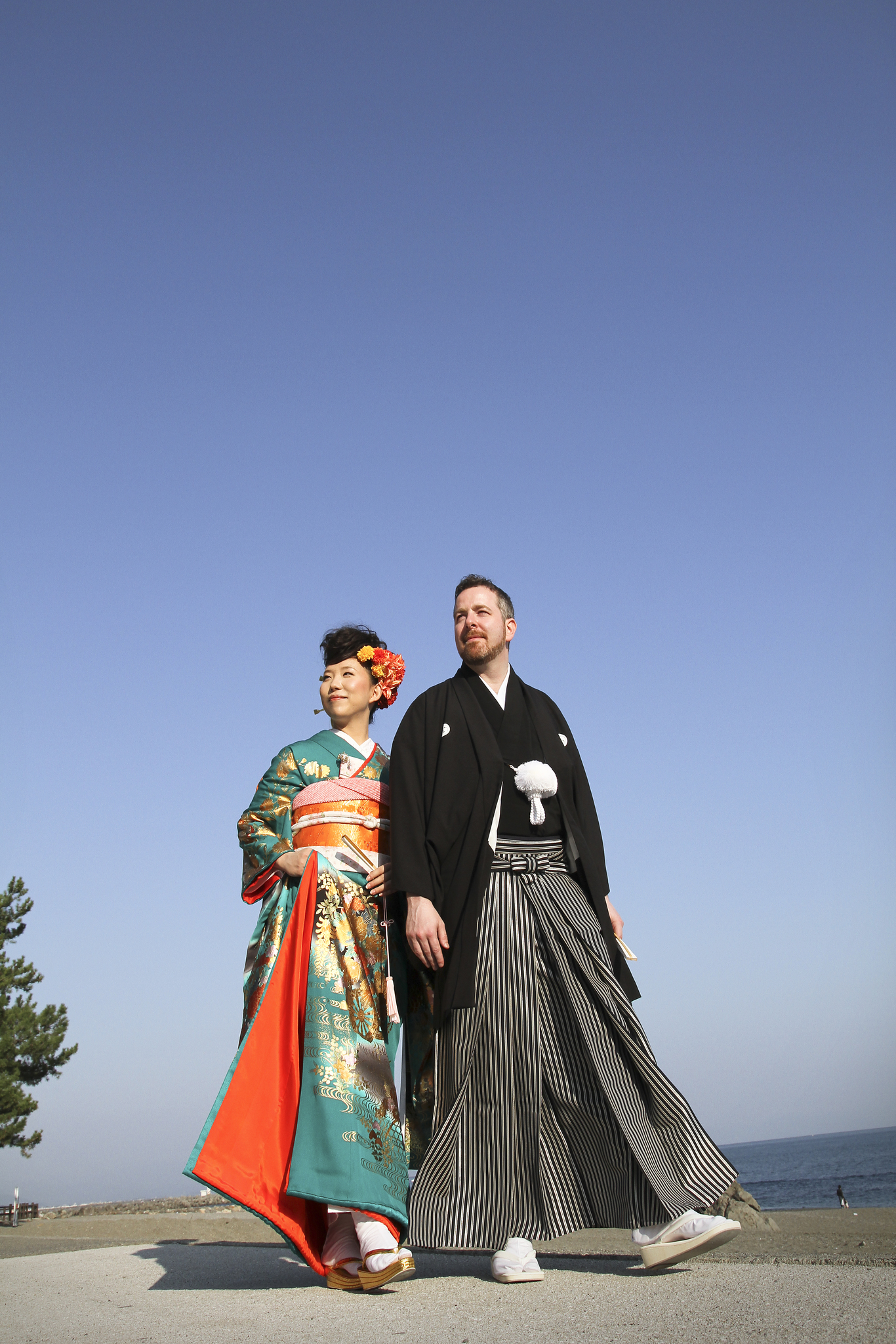
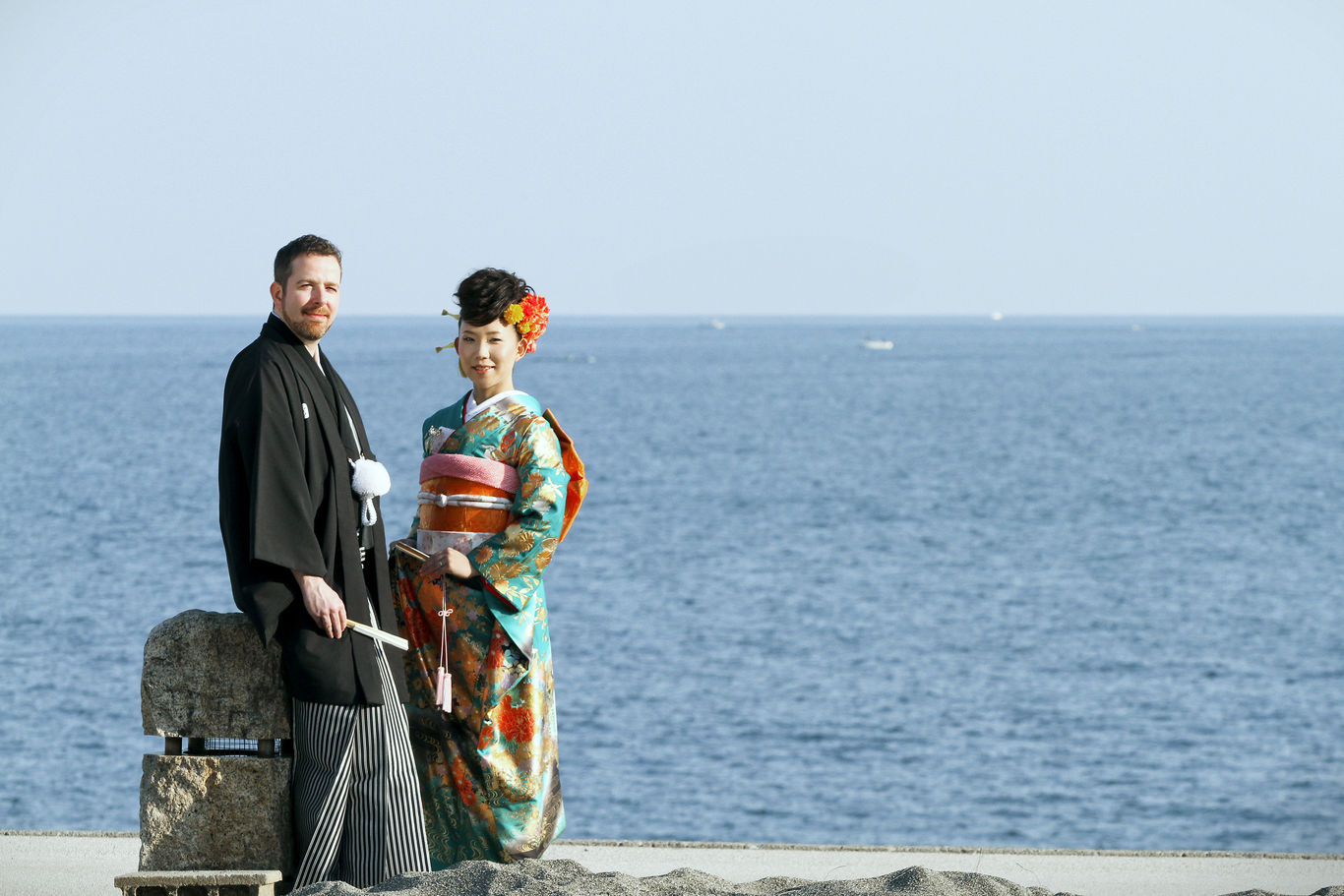
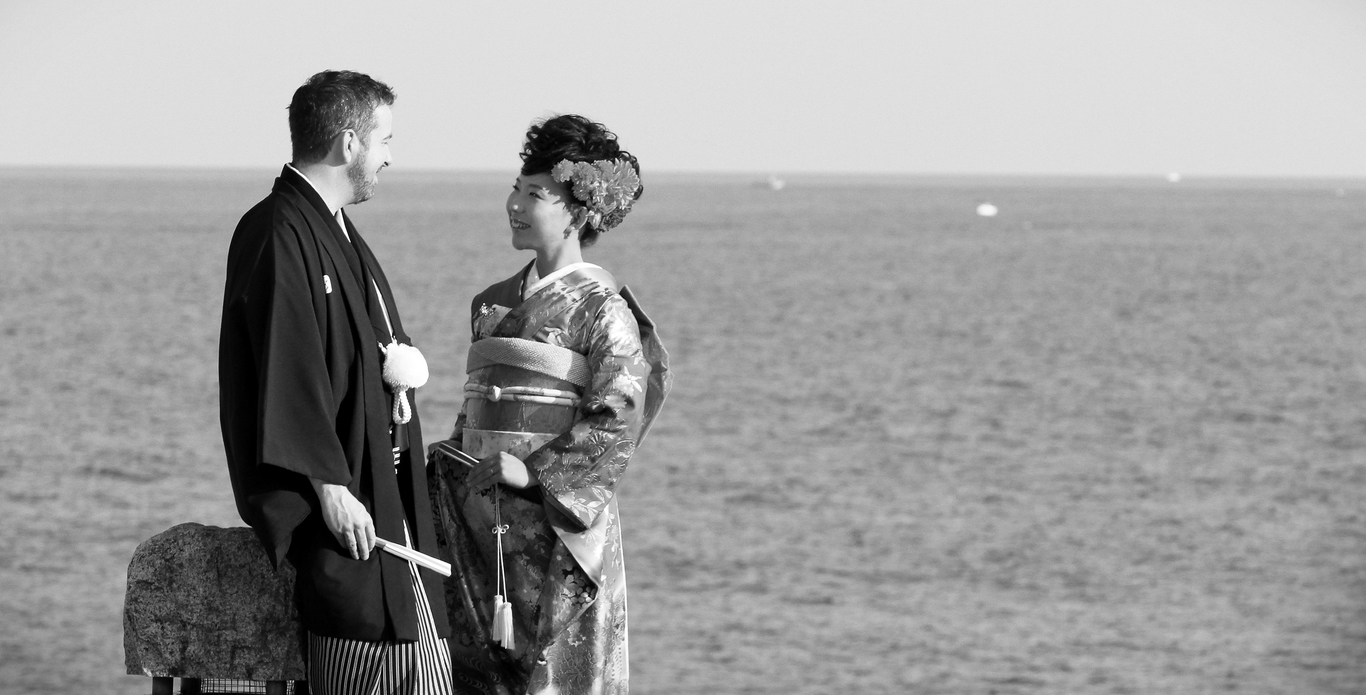
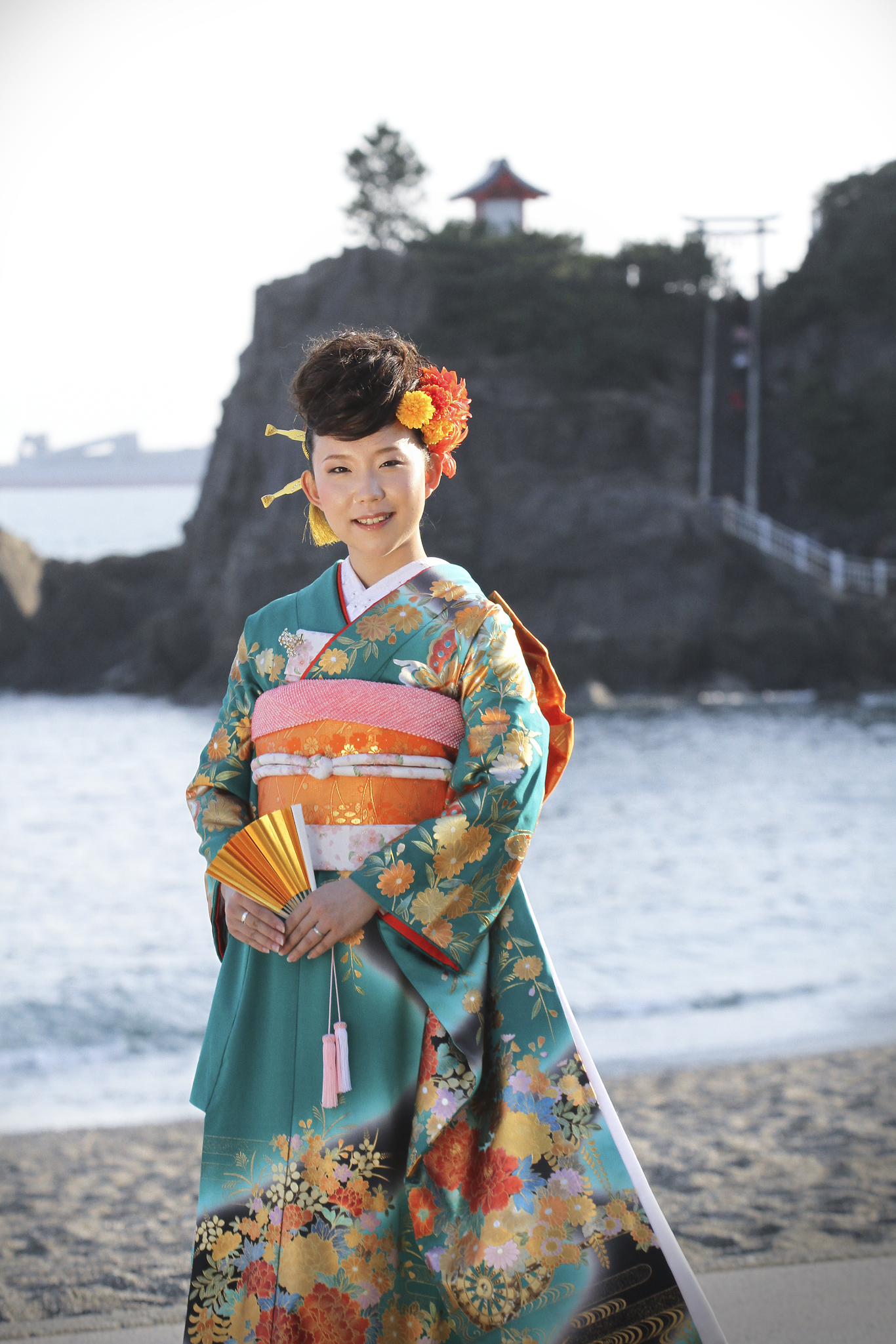
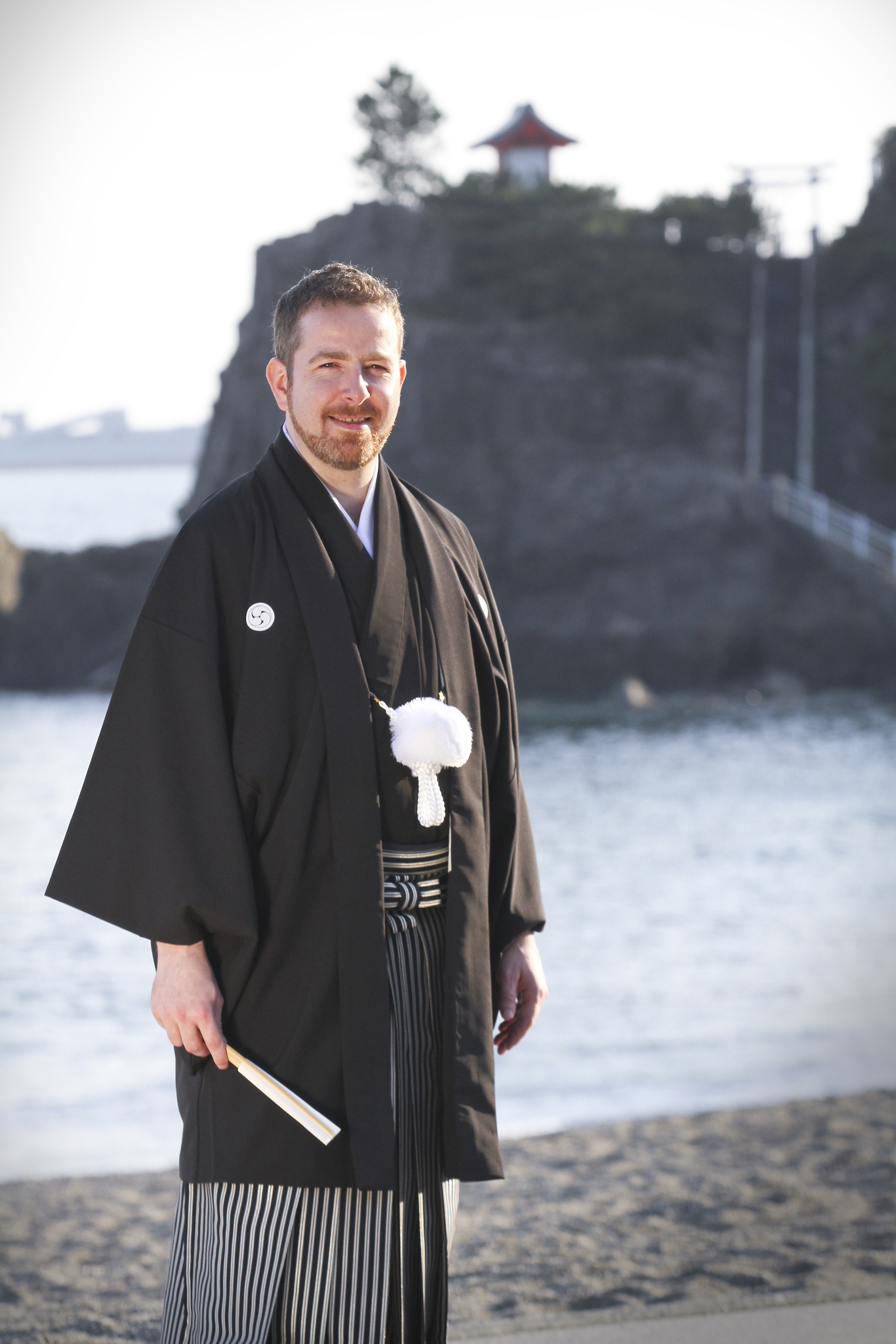
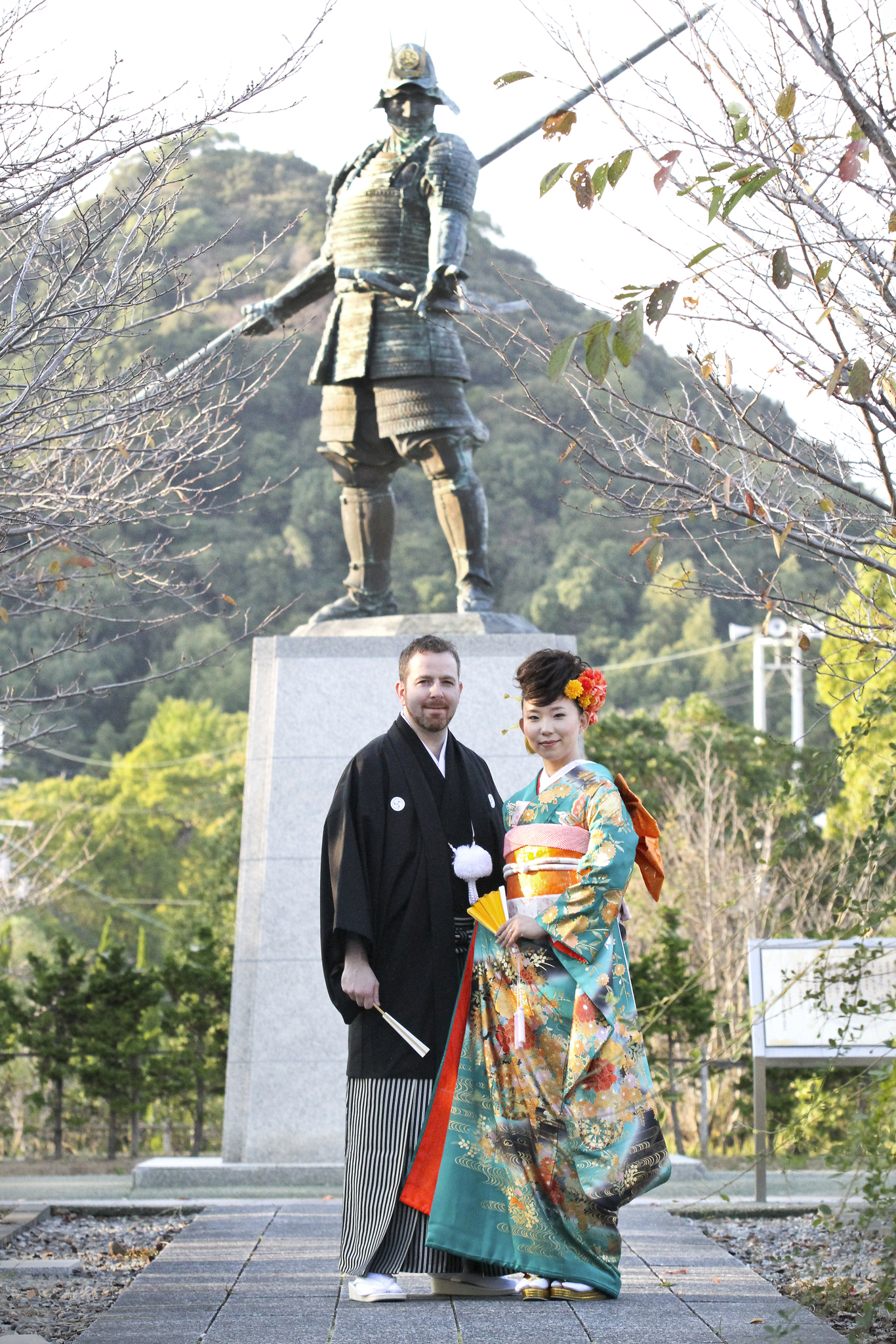
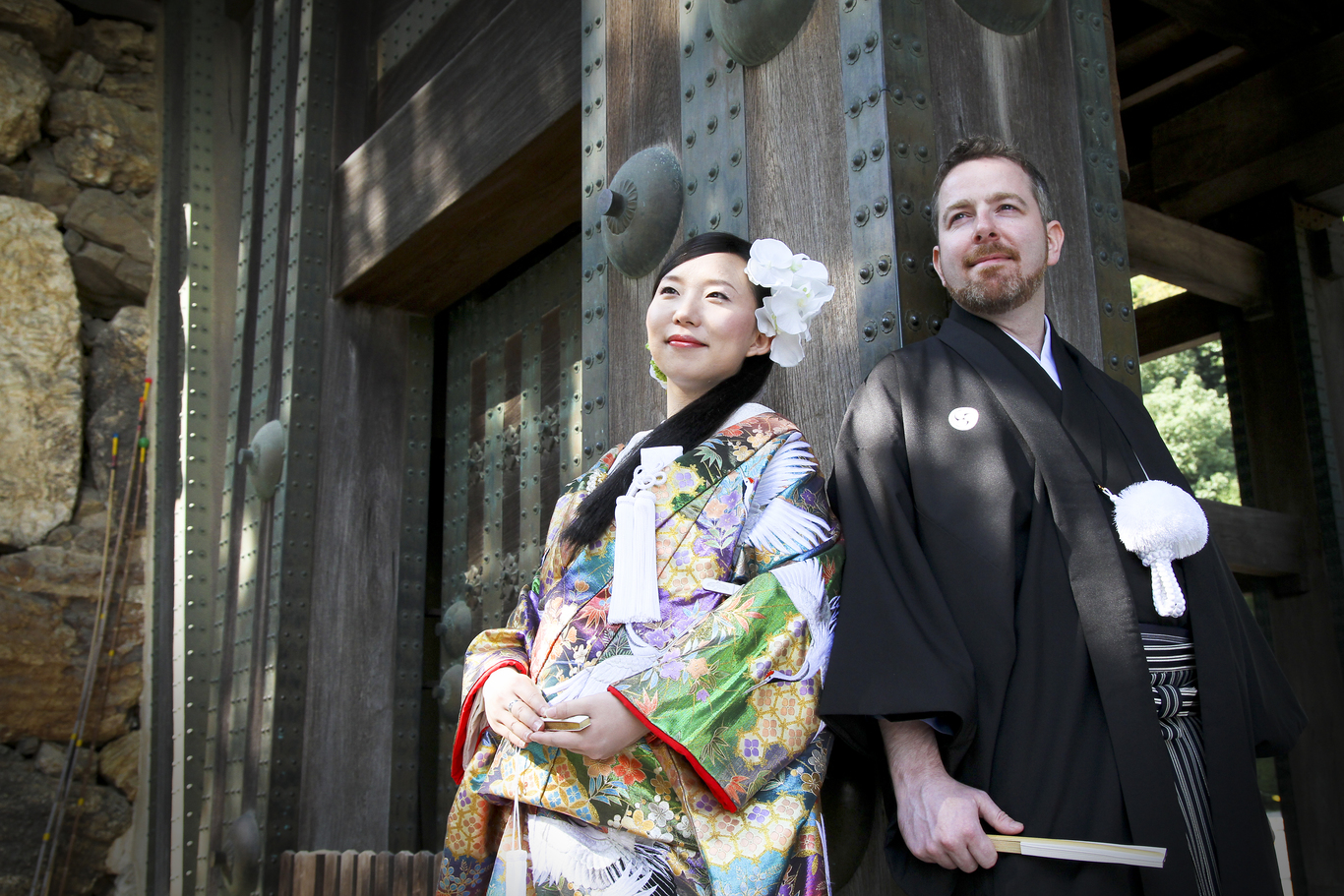
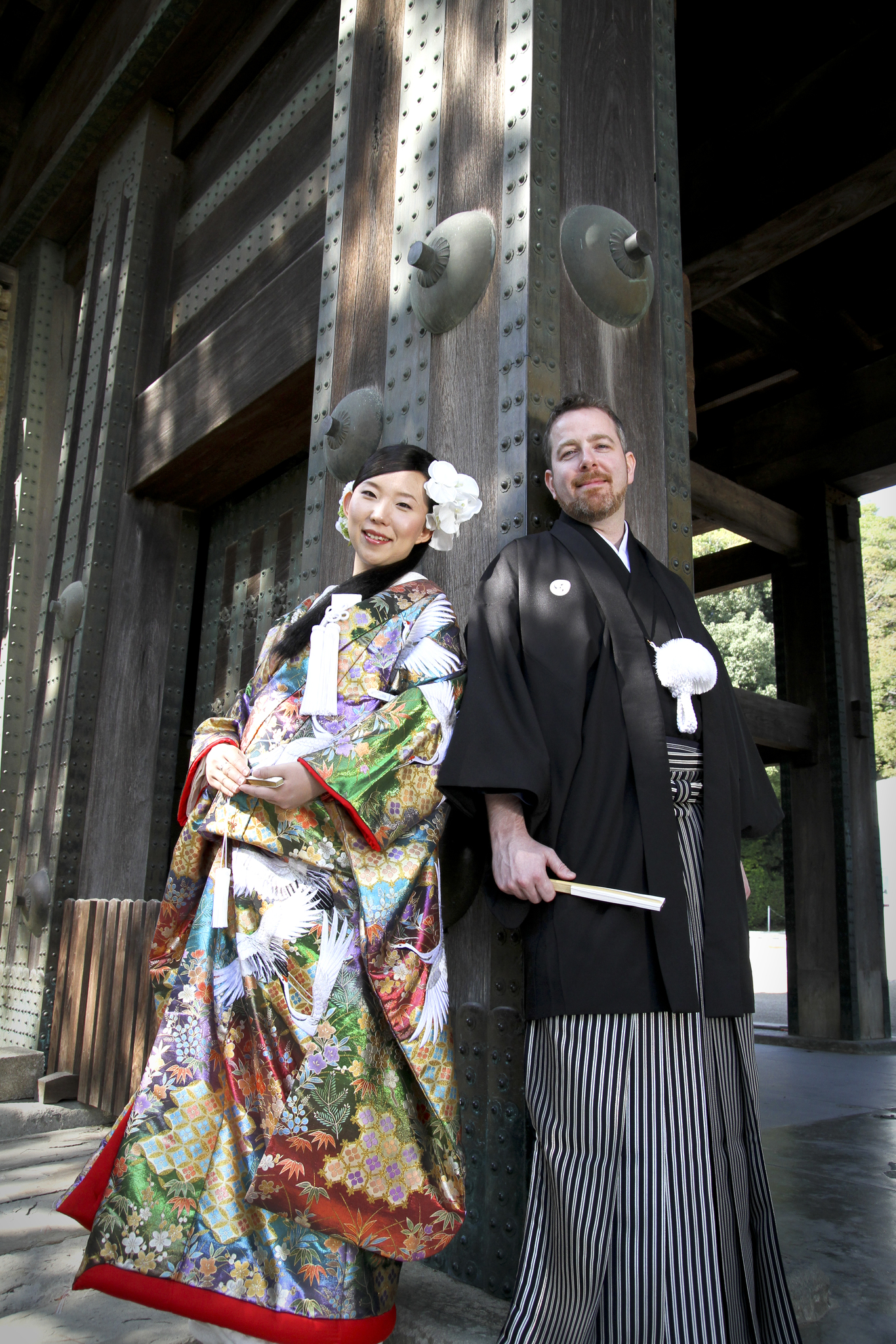
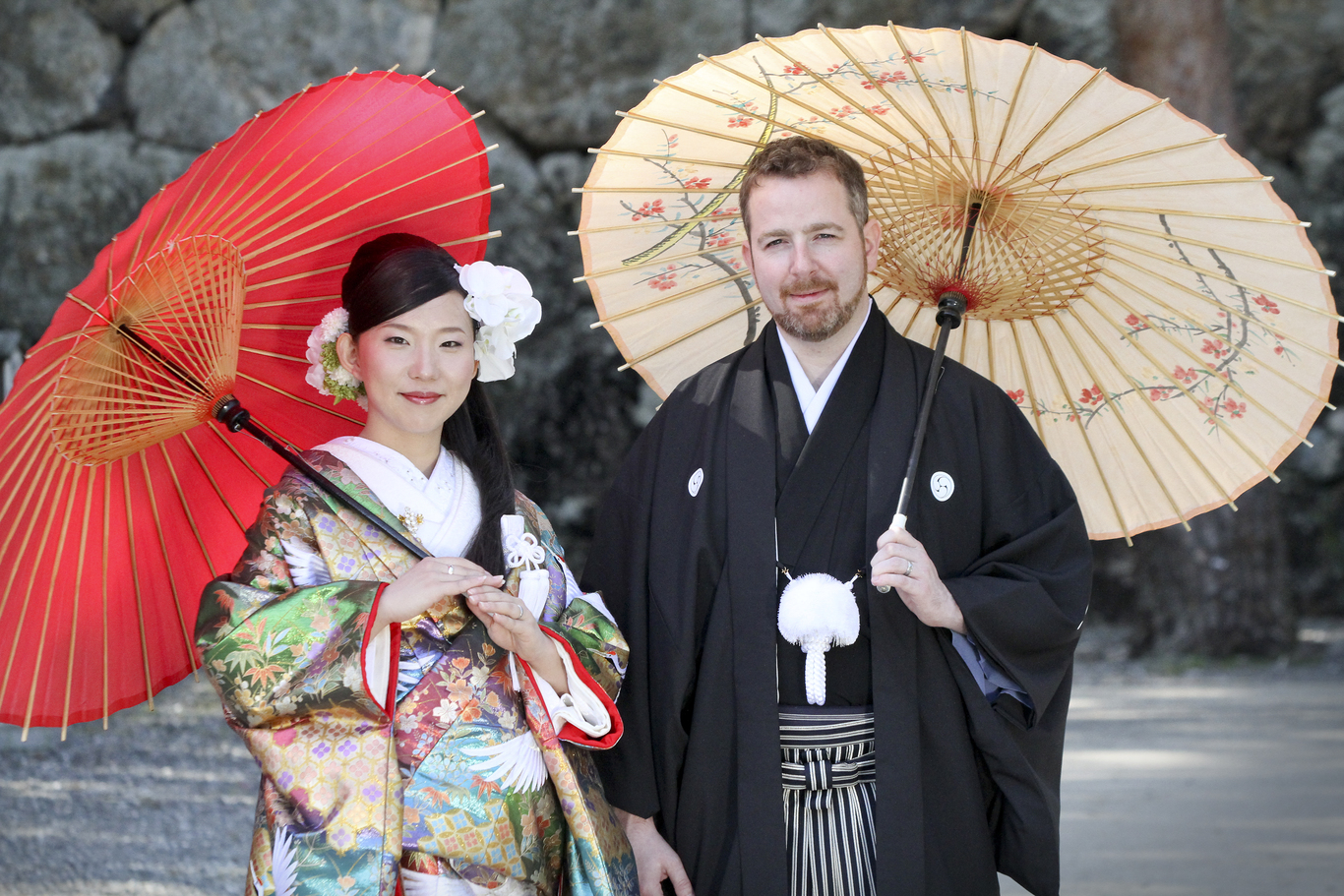
In Japan it is apparently commonplace to have your wedding photos taken before your actual wedding ceremony.

These were taken about a week in advance of our wedding day, at the time I found it a little strange but on reflection the bride and groom are kept crazy busy during the wedding day so it sort of makes perfect sense.

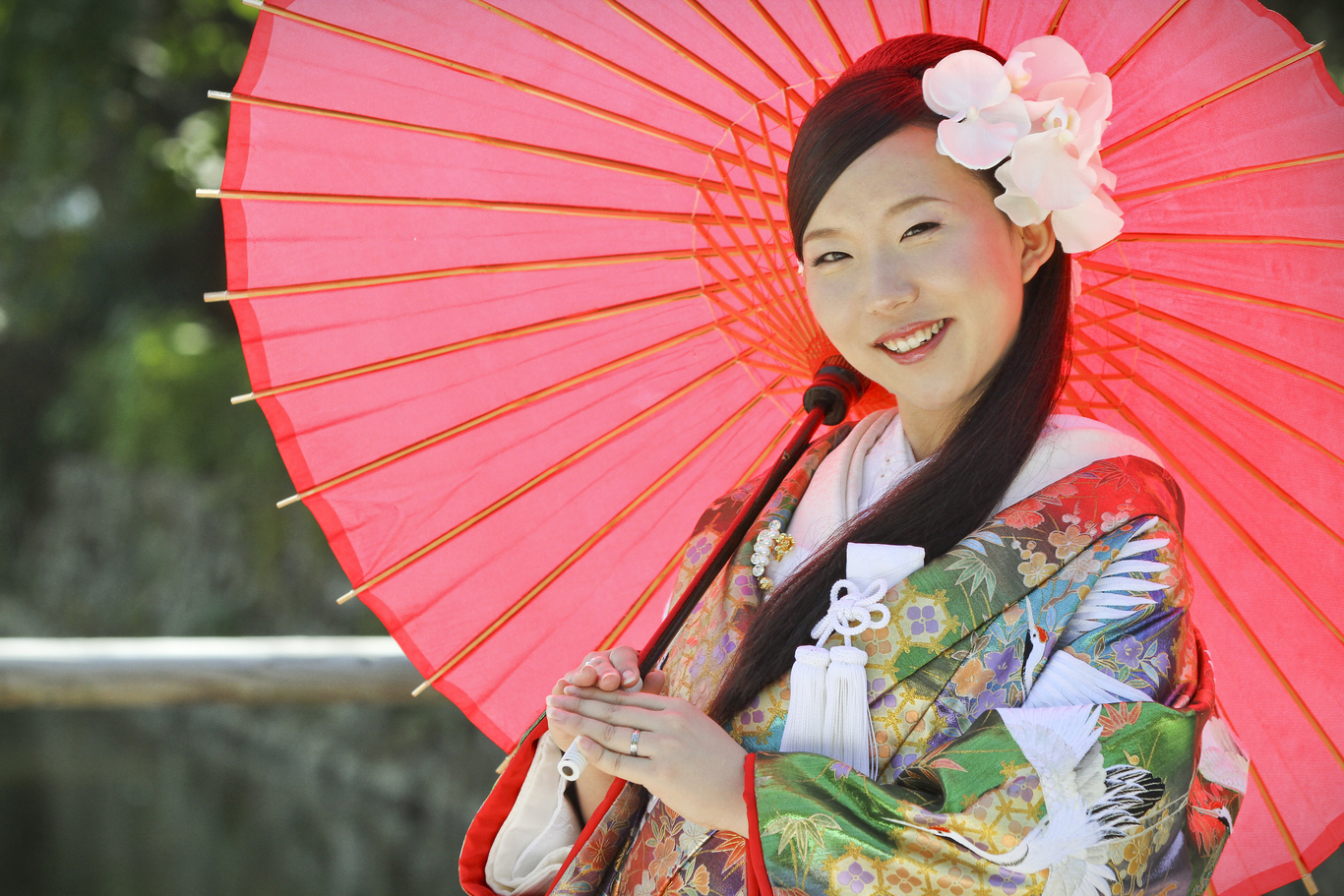
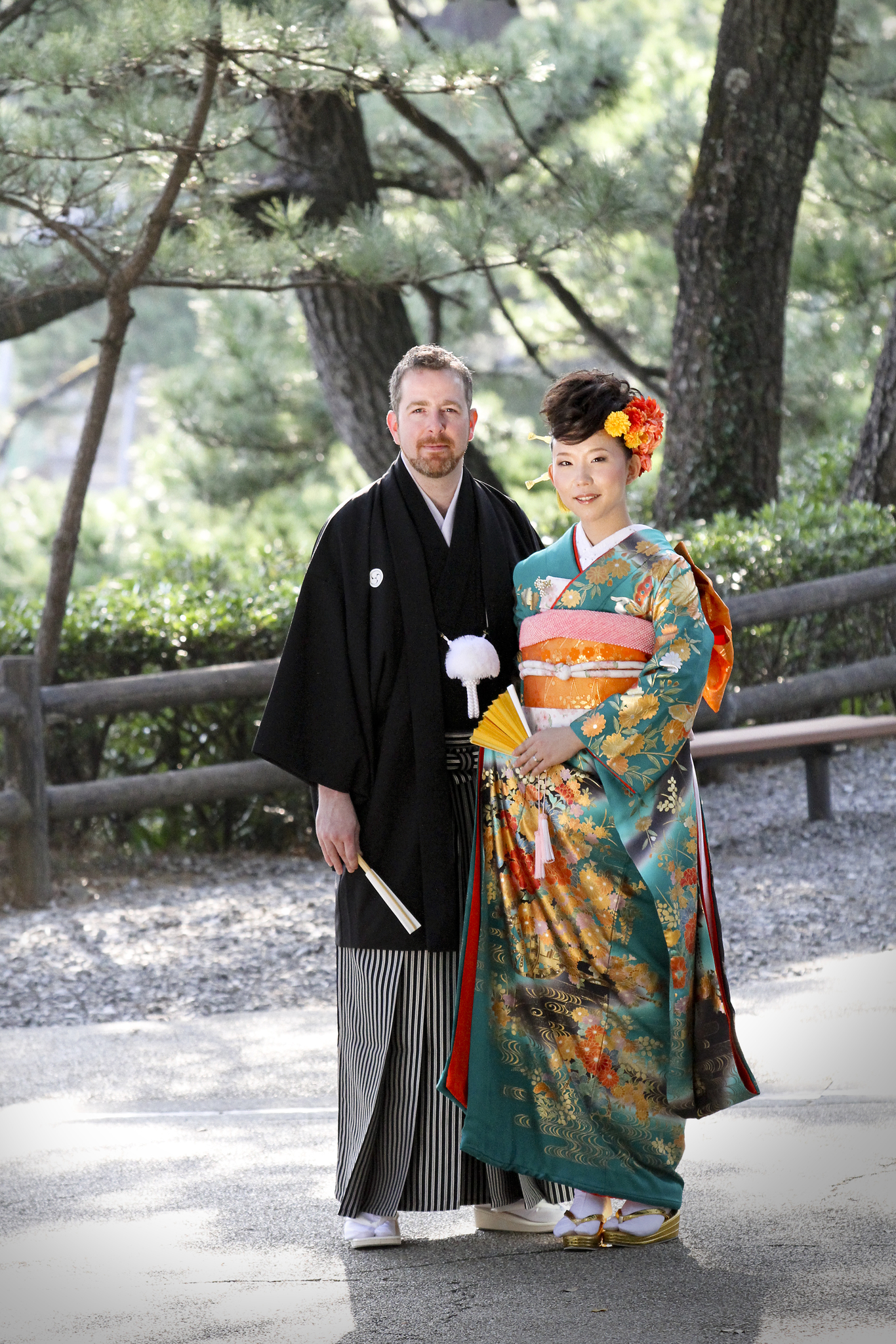
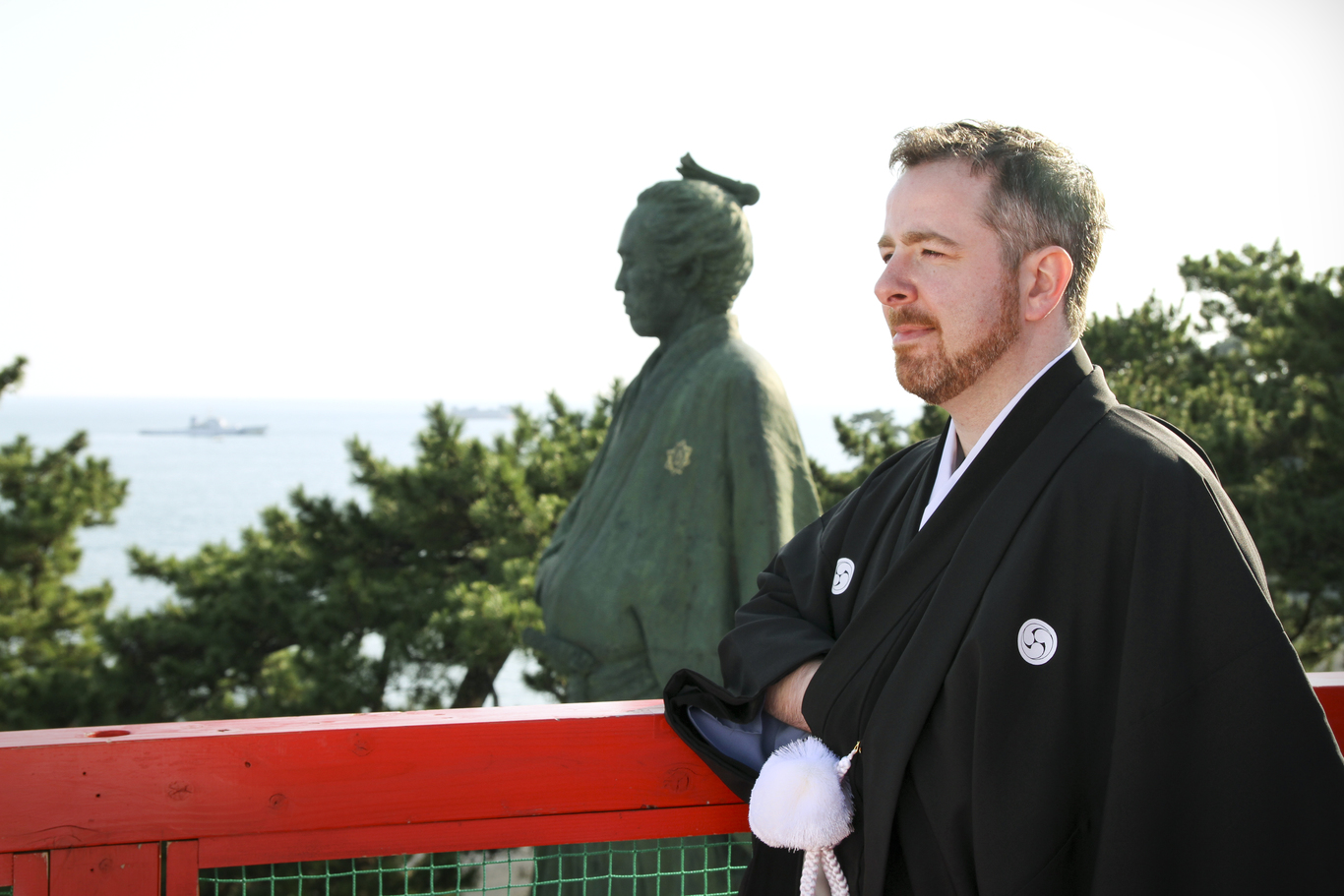
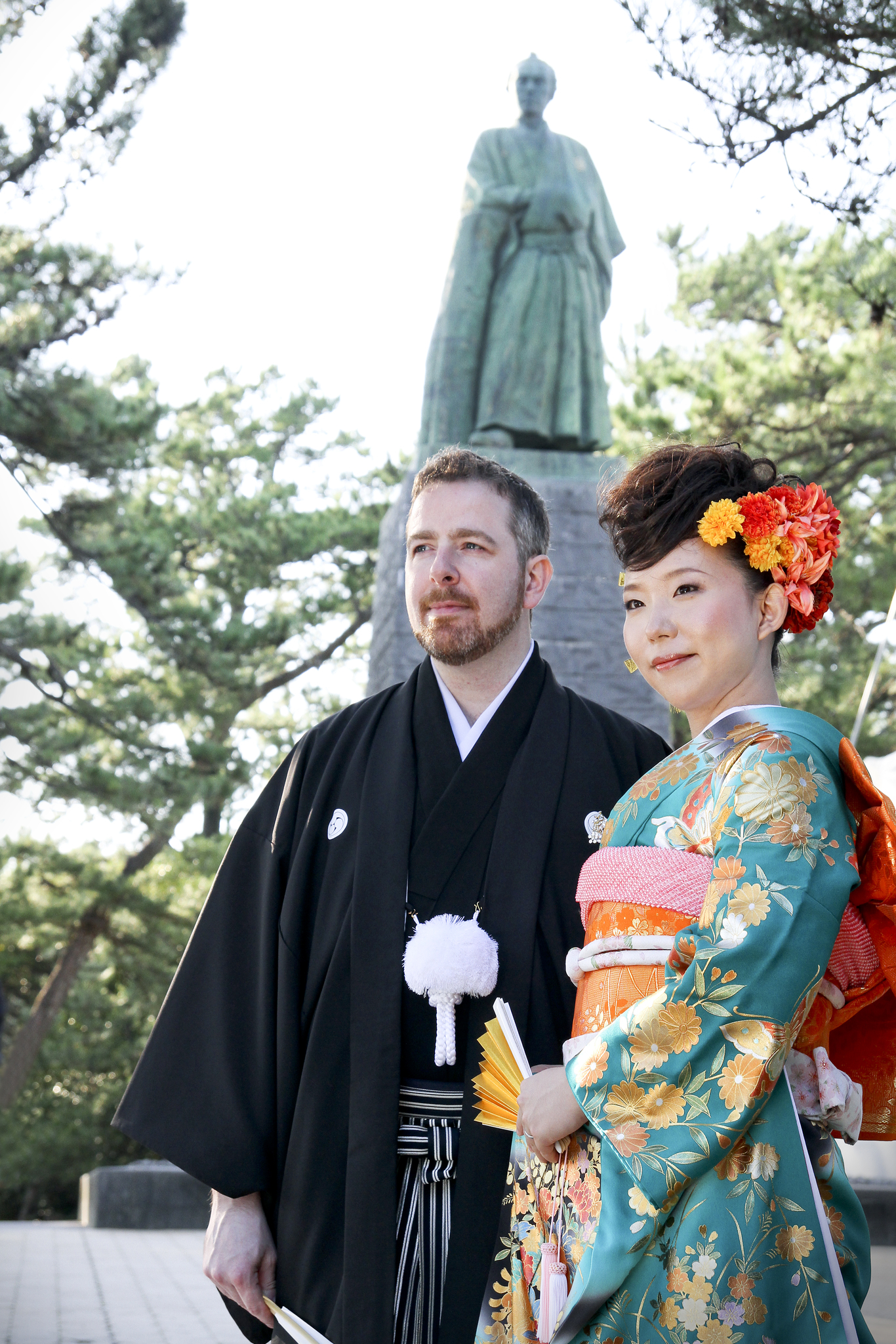
Pre-Wedding Pictures Pre-Wedding Pictures

Kiriyama Tea Farm (霧山茶業組合)

Blog: Bushido Dreams
Categories: 2-minute read
Tags:
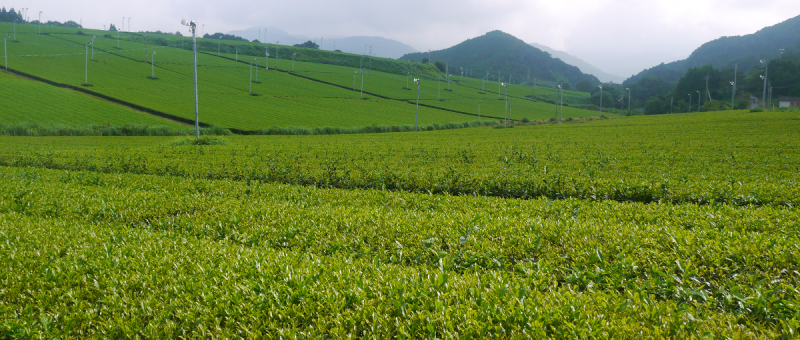
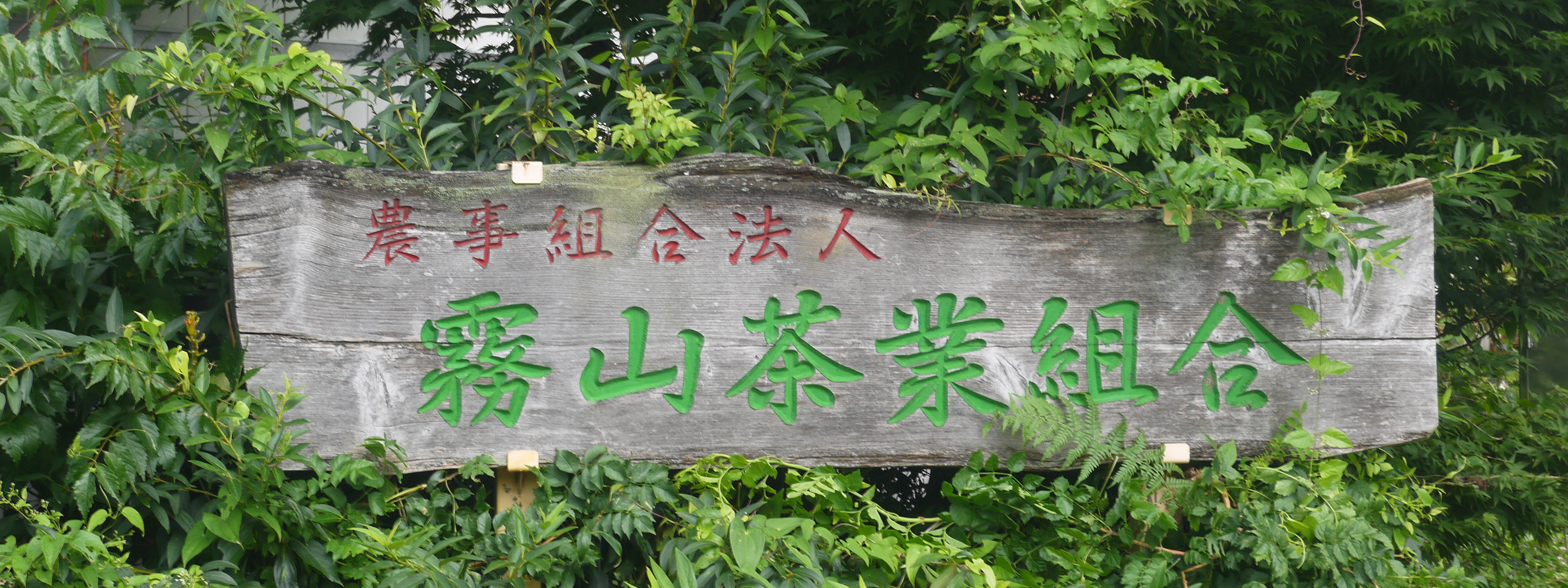
Kiriyama Tea Farm 霧山茶業組合

Nestled in the hills above rural Hidaka-mura (日高村) in Kōchi prefecture lies the Kiriyama Tea Farm (霧山茶業組合) run by the Nakayama (my in-laws!) and Yano families.

Formerly Western Japan’s largest tea farm and a contributor of leaves to the very popular Itoen Oi-ocha blended green tea (available at all good vending machines and conbinis!) Kiriyama also produces it’s very own range of delicious teas!

From wikipedia:

Green tea is processed and grown in a variety of ways, depending on the type of green tea desired. As a result of these methods, maximum amounts of polyphenols and volatile organic compounds are retained, affecting aroma and taste. The growing conditions can be broken down into two basic types — those grown in the sun and those grown under the shade. The green tea plants are grown in rows that are pruned to produce shoots in a regular manner, and in general are harvested three times per year. The first flush takes place in late April to early May. The second harvest usually takes place from June through July, and the third picking takes place in late July to early August. Sometimes, there will also be a fourth harvest. It is the first flush in the spring that brings the best-quality leaves, with higher prices to match.

My favouite Kiriyama tea is their Genmai-cha (玄米茶) this is a handcrafted mix of toasted brown rice and tea leaves, which results in a light, slightly nutty tea which is best drank cold.

Other varieties include:

  • Sen-cha (煎茶 – decocted tea)

      The first and second flushes of green tea made from leaves that are exposed directly to sunlight. This is the most common green tea in Japan. The name describes the method for preparing the beverage.

  • Jōsen-cha (上煎茶 – superior decocted tea)

      Much the same as Sen-cha but with selected high-quality leaves.

  • Ban-cha (番茶)

      Lower grade of Sen-cha harvested as a third- or fourth-flush tea between summer and autumn.

  • Hōji-cha (焙じ茶)

      A green tea roasted over charcoal (usually Ban-cha).

  • Kuki-cha (茎茶)

      A tea made from stems, stalks, and twigs. Kukicha has a mildly nutty, and slightly creamy sweet flavor.

  • Shin-cha (新茶)

      First flush tea. The name is used for either Sen-cha or Gyokuro.

Kiriyama Tea Farm 霧山茶業組合

Kiriyama (霧山) means misty mountain and if you are able to understand Japanese then you can find out more information about the company and their wares on their website: www.kiricha.com