
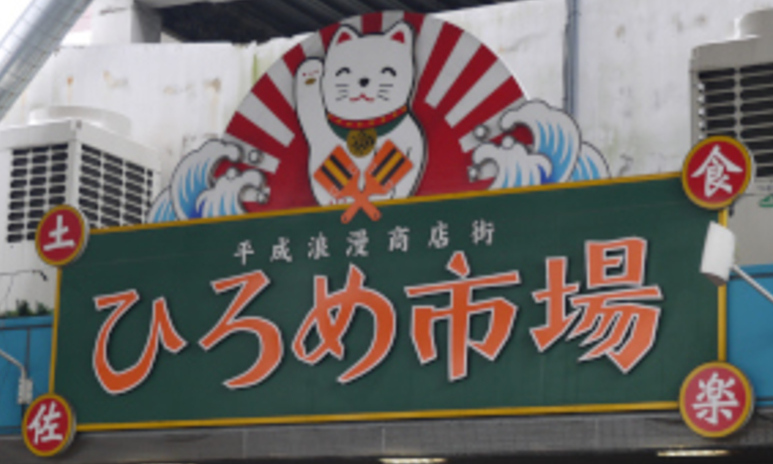
Hirome Ichiba, Kōchi

Blog: Bushido Dreams
Categories: 2-minute read
Tags:

Part market, part food-court, part-izakaya and a whole lot of awesome, this is Hirome Ichiba!

Situated close to the castle in downtown Kōchi lies one of my favourite spots in the city and perhaps even the country. Hirome Ichiba is an ecclectic mix of clothes and souvenir shops, fresh produce stalls, restaurants and drinking holes brought together to create one open plan house of fun!

The long wooden benches and tables make for a very welcoming and open environment and as a result if you visit you’ll end up meeting and conversing with a wide range of locals and travellers all out to have a good time and drink with strangers.

The last time we were at Hirome Ichiba was the day after our Japanese wedding and the atmosphere was excellent. We met up with friends and family for lunch and most of us ended up staying until closing time. We met a range of characters from an elderly local grandmother who greeted us with mild sexual assault before buying us souvenirs, a couple of friends who travelled to Kōchi just to visit Hirome Ichiba and a group of middle-aged golf enthusiasts who regaled me of tales of their trips to Scotland and their appreciation of our whisky!

On my few visits, amongst other dishes, I’ve eaten chicken sashimi, katsuo no tataki (of course), karaage, chanbara-kai (sword-fighting shellfish), whale and very reluctantly, Natto. I also had my first (and last) frozen headed Kirin beer there and have enjoyed several local sakes.

If you are planning on visiting Japan, then there are many reasons to visit Shikoku and Kōchi in particular, but Hirome Ichiba for me is one of the top reasons to visit, particularly if you time the visit to coincide with the Yosakoi festival.

A wee bit more info on Hirome Ichiba by ex-pat Kōchi resident Nate Hill can be found here .

Hirome Ichiba activity Hirome Ichiba whale sake jug and cup Hirome Ichiba chanbarakai Hirome Ichiba kirin poster Hirome Ichiba activity Hirome Ichiba activity


うどみゆー – Exploring Tosa-ben 3

Blog: Bushido Dreams
Categories: 3-minute read
Tags:

Following on from Tosa-ben Card Game (龍馬・土佐弁かるた) I thought it may be interesting for some people if I were to do a series of short posts relating to the vocabulary that I learn from the game.

Even if not, I’m learning that maintaining a Gaelic blog is helping me learn the language so hopefully this will help me with Tosa-ben.

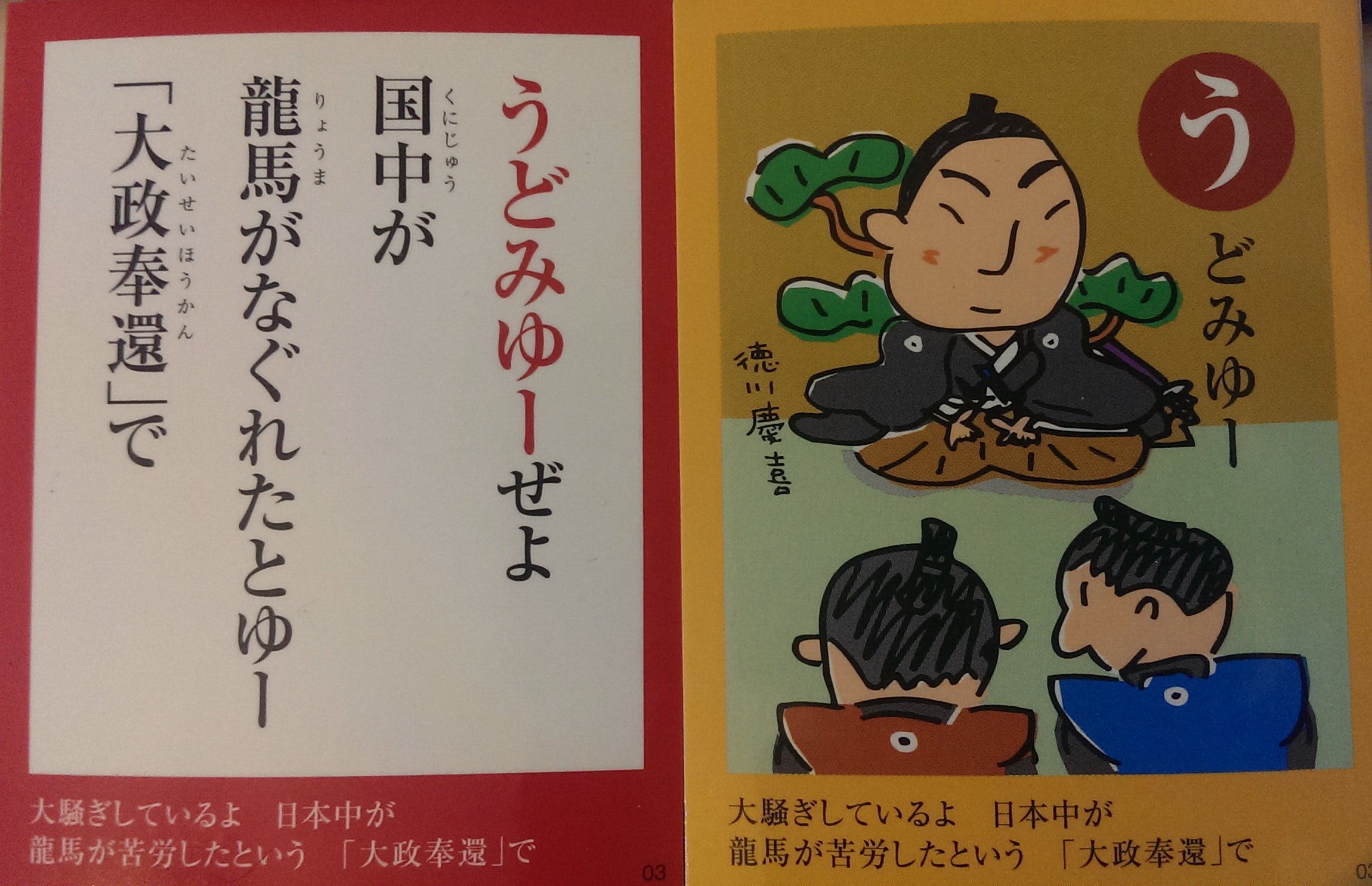
Third in the series is うどみゆー which is pronounced udomiyuu, the meaning is ‘to be in uproar’ or ‘to be in a state of disturbance’. The ゆー at the end indicates that this is present tense progressive form so the meaning would be ‘is currently in a state of uproar/disturbance’.

The common Japanese equivalent for うどみゆー is 大騒ぎしている (__おおさわ__ぎしている – ohsawagi shiteiru).

The example sentence on the card is:

うどみゆーぜよ 国中が 龍馬がなぐれたとゆー 「大政奉還」で

うどみゆーぜよ __きにちゅう__が __りょうま__がなぐれたとゆー 「たいせいほうかん」で

udomiyuu zeyo kunichuu ga Ryouma ga nagureta to yuu “taisei houkan” de

共通語:大騒ぎしているよ 日本中が 龍馬が苦労したという 「大政奉還」で

__おおさわぎ__しているよ __にほんちゅう__が __りょうま__が__くろう__したという 「たいせいほうかん」で

common Japanese: ohsawagi shiteiru yo nihonchuu ga Ryouma ga kurou shita to iu “taisei houkan” de

Now for the part of the post which is likely to go through various transformations as I’m corrected by my はちきん(hachikin) wife or family and friends from Kochi!

English : Throughout the country people are talking about how Ryōma succeeded through the struggle to bring about “taisei houkan”.

*大政奉還 (たいせいほうかんtaisei houkan) was the restoration of power to the Emperor (from the military leaders who ruled Japan for hundreds of years until this point in time). Ryōma Sakamoto was the integral figure in effectively ending Tokugawa (the reigning military family) rule, unifying a newly self-aware Japan and opening Japan up to outside influence. Sadly, he was assassinated before his efforts finally came to fruition.

This card was pretty tricky for me to translate hence the clunky sentence in English.. If you can translate it more cleanly then please leave your suggestion below in the comments section.

So, now to the rest of the sentence and a look at other Tosa-ben (if any) at play in this example.

  • ぜよ (ze yo)– though I suspect this may be shared with other dialects, ぜよ is the Tosa-ben alternative to ですよ which is an emphasised copula, with ぜ being the copula and よ providing the emphasis.
  • とゆー (to yuu) – this is just a different pronunciation of the standard という which in this context means ‘to say’.
  • 国中 (kunichuu) – again I don’t believe that this is Tosa-ben but it is more likely to have been used at the period of time that the card and example represents as Japan wasn’t so much of a singular, unified entity at the time and most likely (in my humble opinion) it would have referred to the Tosa han (territory) rather than Japan itself.
  • なぐれた – this is the past potential form of なぐる which I’m told is old Tosa-ben and must be roughly equivalent to 苦労する which means ‘to succeed through a struggle’.. sort of 🙂

B’z on Bagpipes? part 3

Blog: Bushido Dreams
Categories: 1-minute read
Tags:

No, really! B’z on bagpipes! Courtesy of my friend Makoto Kaneko who isn’t just a very skilled piper (played at our wedding) but also a champion highland dancer (danced at our wedding).

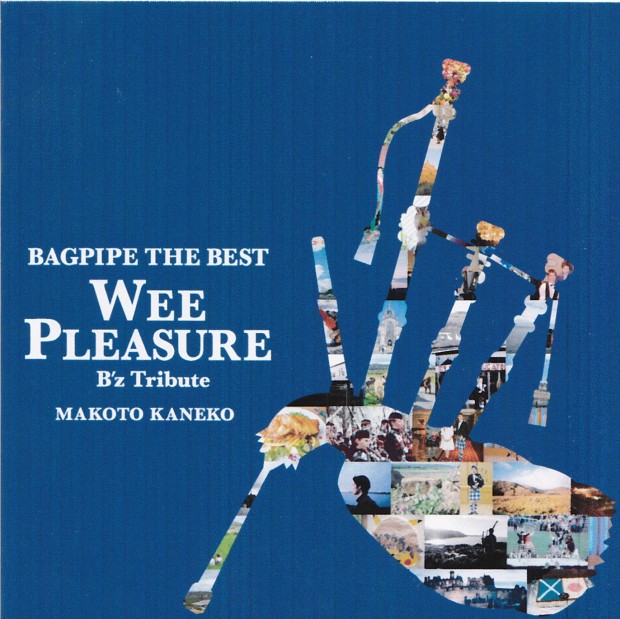
Makoto has a 5 track CD called ‘Bagpipe The Be Wee Pleasure – B’z Tribute’ and this is track 4.

You can find Makoto on invidio.us .


いらばかしよった – Exploring Tosa-ben 2

Blog: Bushido Dreams
Categories: 2-minute read
Tags:

Following on from Tosa-ben Card Game (龍馬・土佐弁かるた) I thought it may be interesting for some people if I were to do a series of short posts relating to the vocabulary that I learn from the game.

Even if not, I’m learning that maintaining a Gaelic blog is helping me learn the language so hopefully this will help me with Tosa-ben.

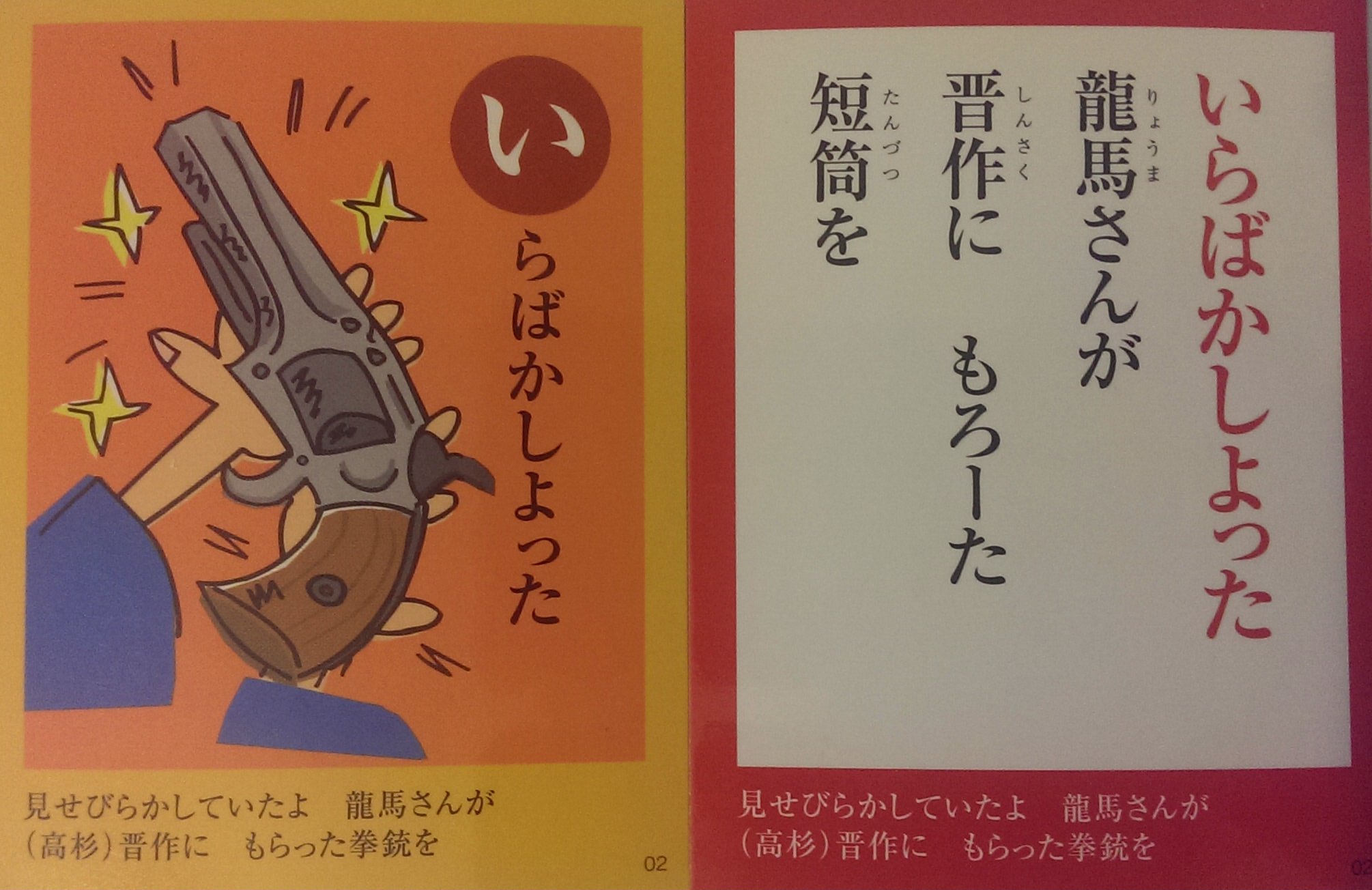
Second in the series is いらばかしよった which is pronounced irabakashiyotta*, the meaning is ‘to show off’ or ‘to flaunt’ though this is in past tense progressive form so the meaning would be ‘was showing off’ or ‘was flaunting’.

  • the っ signifies a short pause in the pronunciation generally protrayed in English for pronunciation purposes as a double consonant.

よった (yotta) is the past tense of the Tosa-ben ゆう (yuu) which is one of two present tense continuous forms (the other is ちゅう (shichuu)), this differs from common Japanese where there is only one present tense continuous form and that is ~ている (~teiru).

The first ゆう represents present progressive tense, for example I am doing my homework now (not finished) would be おらは宿題しゆう (おらはしゅくだいしゆうora wa shukudai shiyuu).

Whereas ちゅう expresses perfect tense for example, I have already done my homework would be おらは宿題しちゅう (おらはしゅくだいしちゅうora wa shukudai shichuu). The past tense for ちゅう is ちょた.

Some verbs cannot be connected with ゆう but more information on this can be found on the Tosa Wave Blog.

The common Japanese equivalent for いらばかしよった is 見せびらかしていたよ (みせびらかしていたよmisebirakashiteita yo).

The example sentence on the card is:

いらばかしよった 龍馬さんが 晋作に もろーた 短筒を

いらばかしよった __りょうま__さんが __しんさく__に もろーた __たんづつ__を

irabakashiyotta Ryouma(Sakamoto)-san ga shinsaku ni morouta tandzutsu wo

共通語:見せびらかしていたよ 龍馬さんが (高杉)晋作に もらった拳銃を

__み__せびらかしていたよ __りょうま__さんが (たかすぎ)__しんさく__に もらった__けんじゅう__を

common Japanese: misebirakashiteita yo Ryouma(Sakamoto)-san ga Shinsaku(Takasugi) ni moratta kenshuu wo

Now for the part of the post which is likely to go through various transformations as I’m corrected by my はちきん (hachikin) wife or family and friends from Kochi!

English : Ryouma (Sakamoto) was showing off the handgun he received from Shinsaku (Takasugi)

The rest of the sentence is pretty easy to explore this time as it is basically consists of peoples’ names (Ryouma Sakamoto and Shinsaku Takasugi) and alternative vocabulary for a pistol/handgun.

  • もろーた would appear to just be Tosa dialect’s pronunciation of もらった which means to ‘receive’.

Leabhar-latha – Homework for Lesson 4

Blog: Kilted Scot
Categories: 2-minute read
Tags:

Whilst there will be no notes for last week’s class (due to me being absent) the tutor was kind enough to send me the homework task.

So this week I have to keep a diary in Gaelic for a week with at least two sentences in past tense.

Here goes! Hold on to your hats! With my beginner’s knowledge of Gaelic and my insomnia-ridden, work-driven dull week this promises to be a roller-coaster of a journey. Most likely a roller-coaster which is closed for maintenance.

Leabhar-latha (diary)

Diardaoin

Bha mi ag obair gu trang aig an taigh. Bha mi a’sgriobhadh am blog mu a’ Iapan. Chan robh mi anns an sgoil-Gàidhlig ‘san amnoch. Bha mi glè sgìth!

I worked hard from home. I wrote a blog post about Japan. I didn’t go to my Gaelic class in the evening. I was VERY tired.

Dihaoine

Bha mi ag obair aig an taigh. Bha mi a’ sgrìobhadh am blog a’ Gàidhlig.

I worked from home. I wrote a Gaelic blog post.

Disathurna

Bha mi a’ snàmh anns a’ mhadainn. Bha mi anns an taigh-bìdh seapanais feasgar. Bha dinneir agus leanntan glè bhlasta. Bha mi toilichte.

I went swimming in the morning. In the evening I went to a Japanese restaurant. Dinner and beers were delicious. I was happy.

Là na Sàbaid

Bha mi a’ ceannach. Cheannaich mi bolgain (no bolganan), càl, feòil agus uinneanan. Bha mi ag obraich air làrach-lìn feasgar.

I went shopping. I bought lighbulbs (or (alternative plural) lightbulbs, cabbage, meat and onions. I worked on a website in the evening.

Diluain

Bha mi ag obair aig an taigh (Tha mi obraich air do cheann fhéin). Chan robh mi cadal. Bha mi glè sgìth!

I worked from home (I am self-employed). I didn’t sleep. I was very tired.

Dimàirt

Bha mi ag obair aig an taigh o leth uair as dèidh ceithir anns a’ mhadainn. Bha mi seachd sgìth.

I worked from home from half past four in the morning. I was extremely tired.

Diciadain

Cha robh mi ag obair. Bha mi a’ snàmh anns a’ mhadainn.

I wasn’t working. I went swimming in the morning.

There we go, as promised all of the excitement of a completely immobile roller coaster.


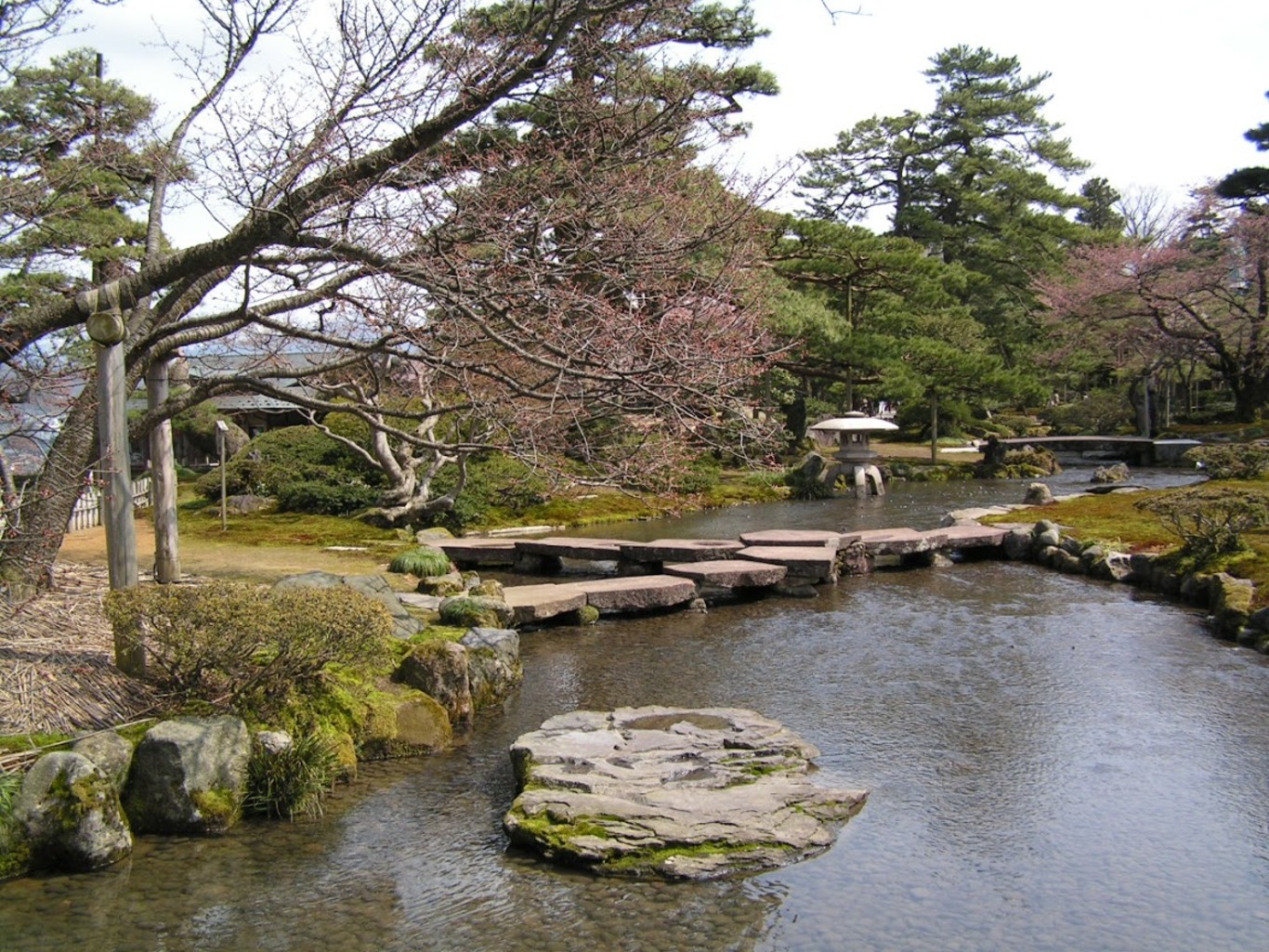
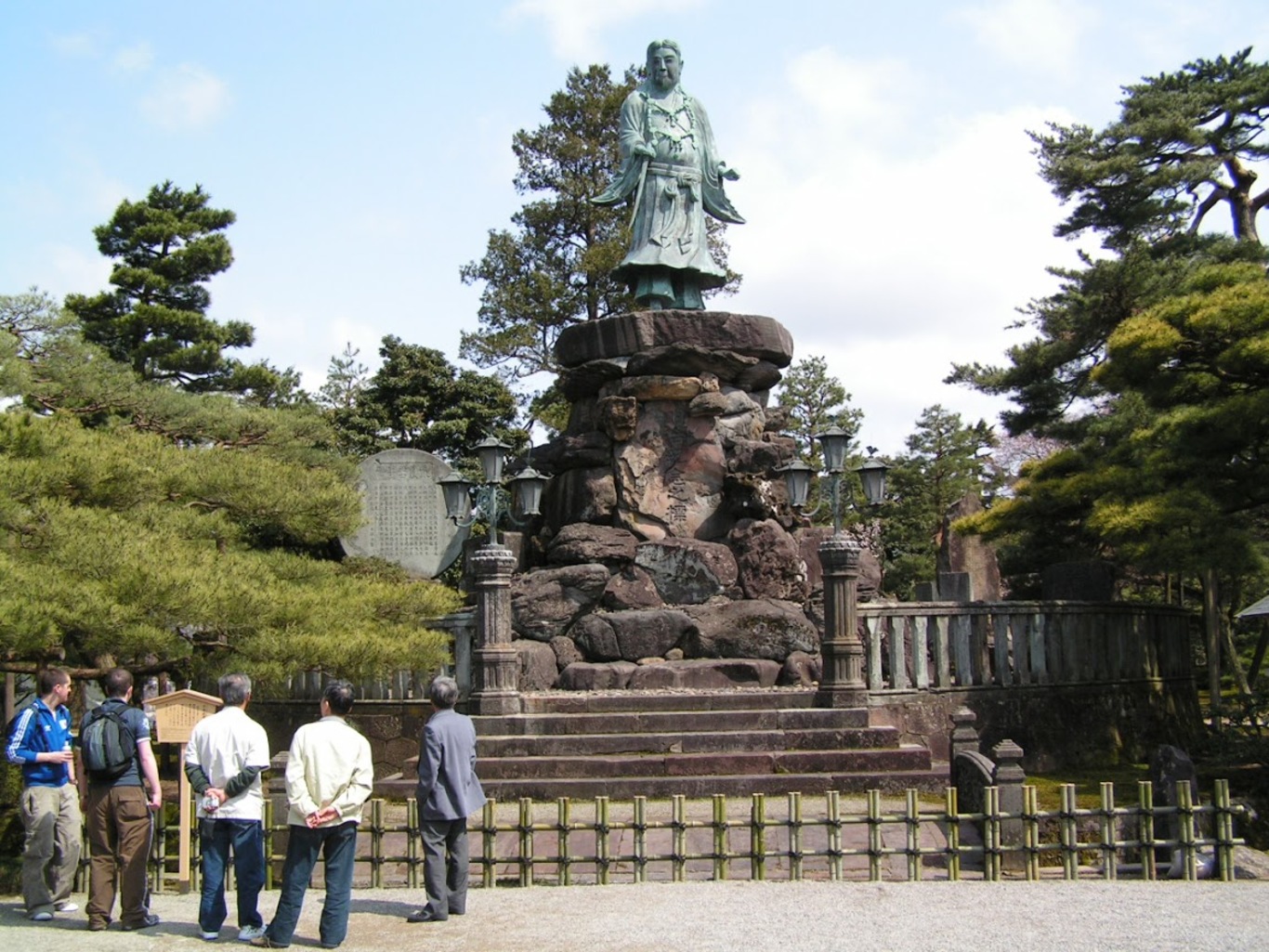
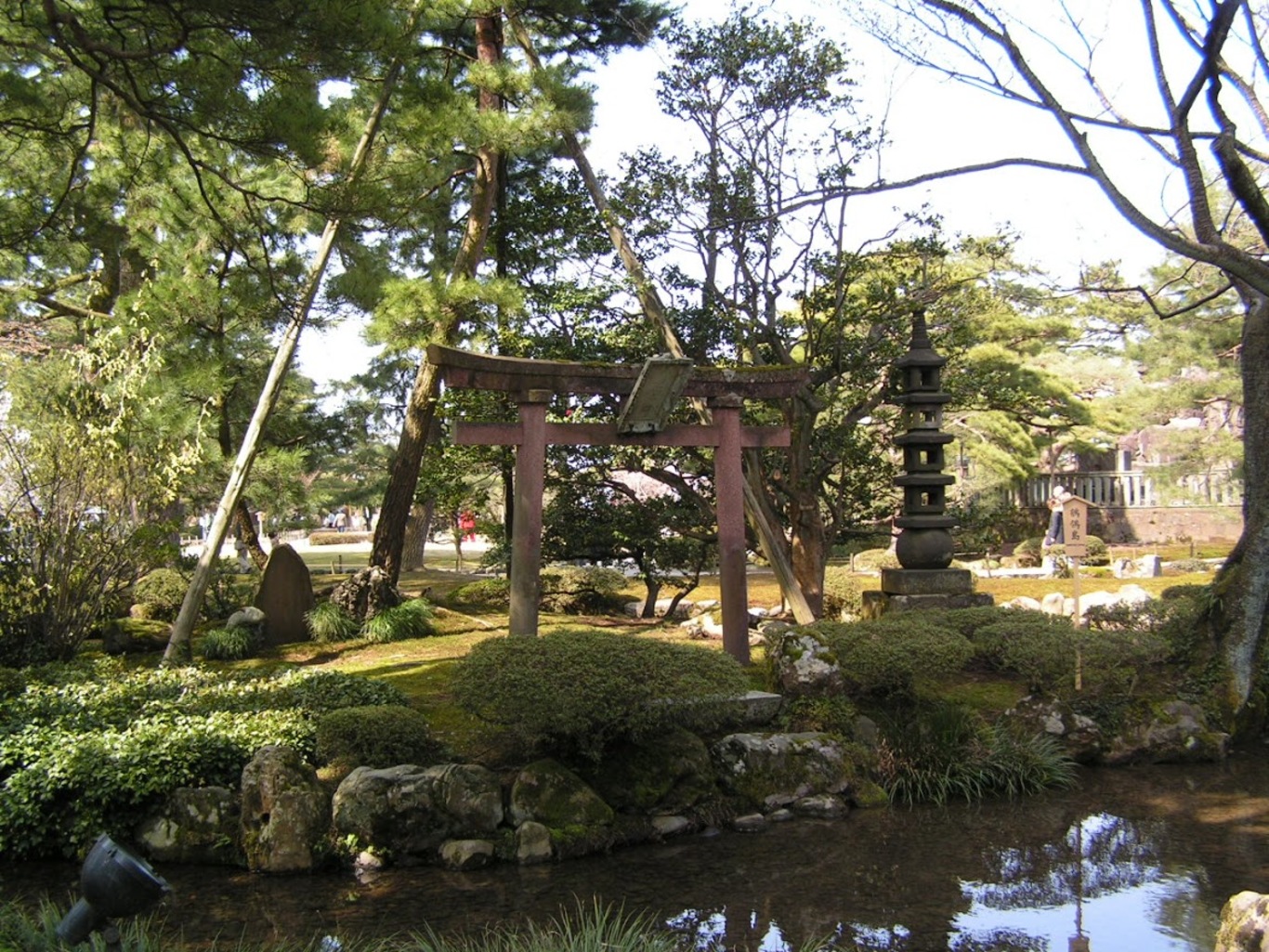
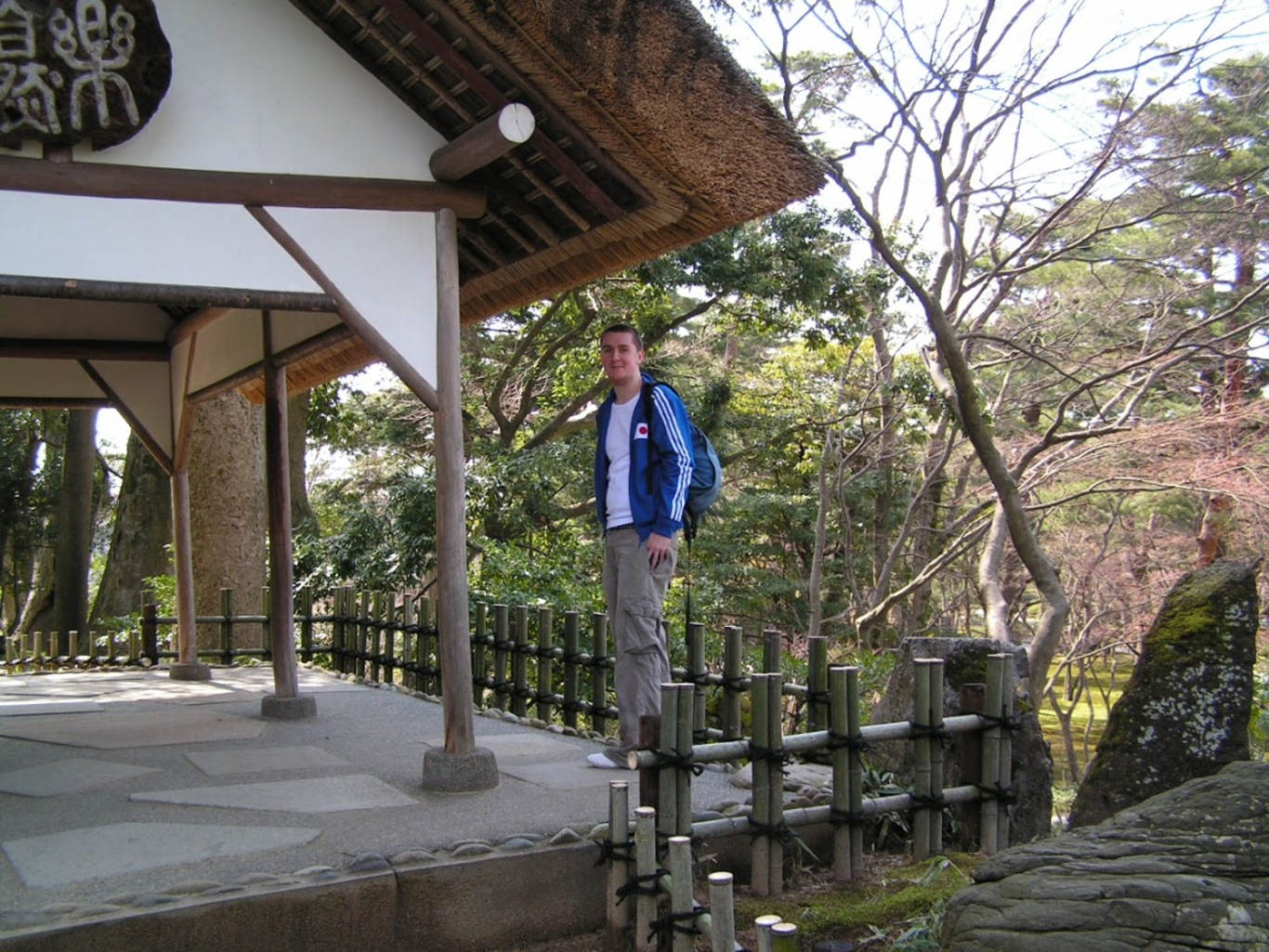
Kanazawa (金沢) 2006

Blog: Bushido Dreams
Categories: 2-minute read
Tags:

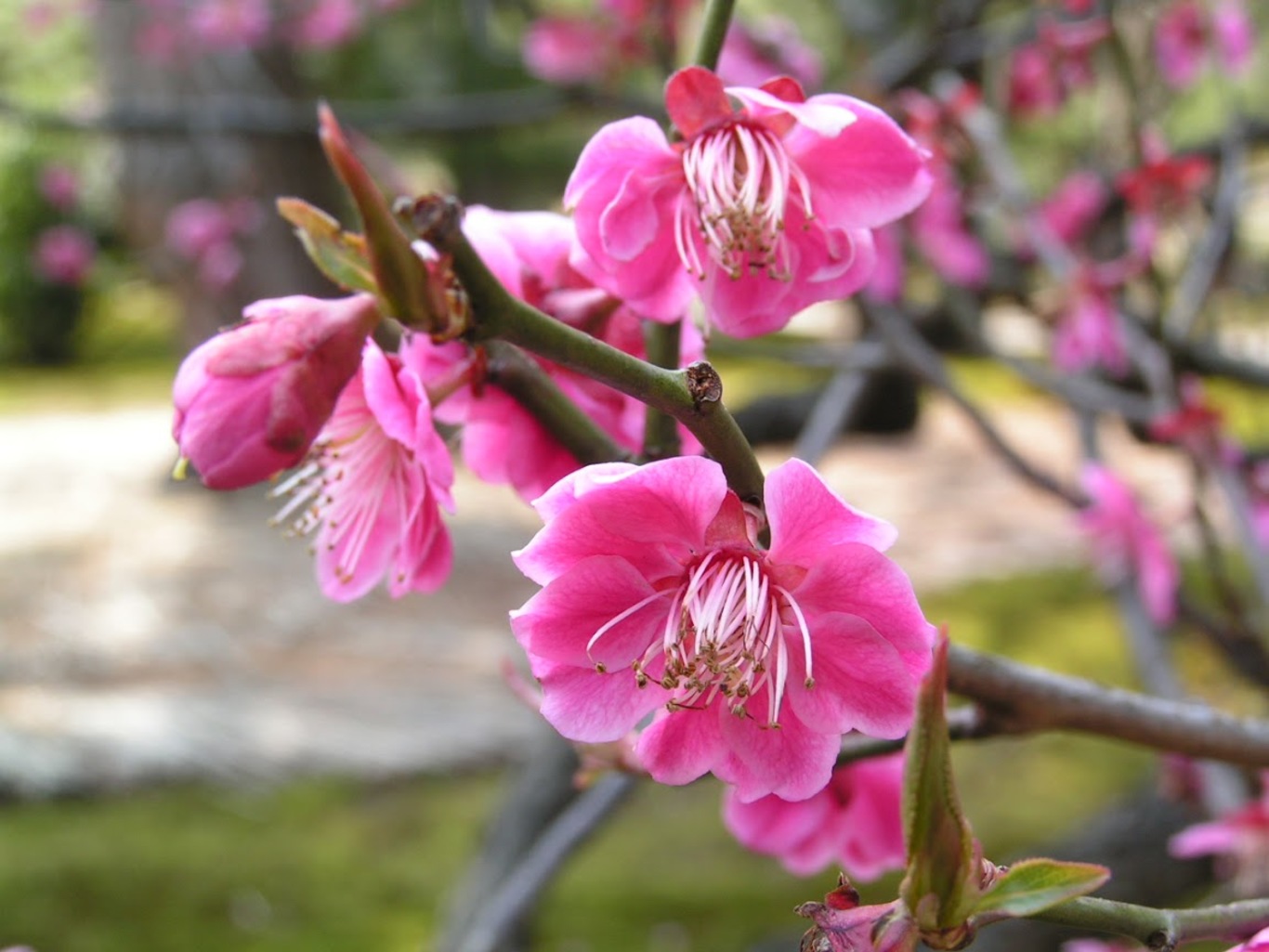
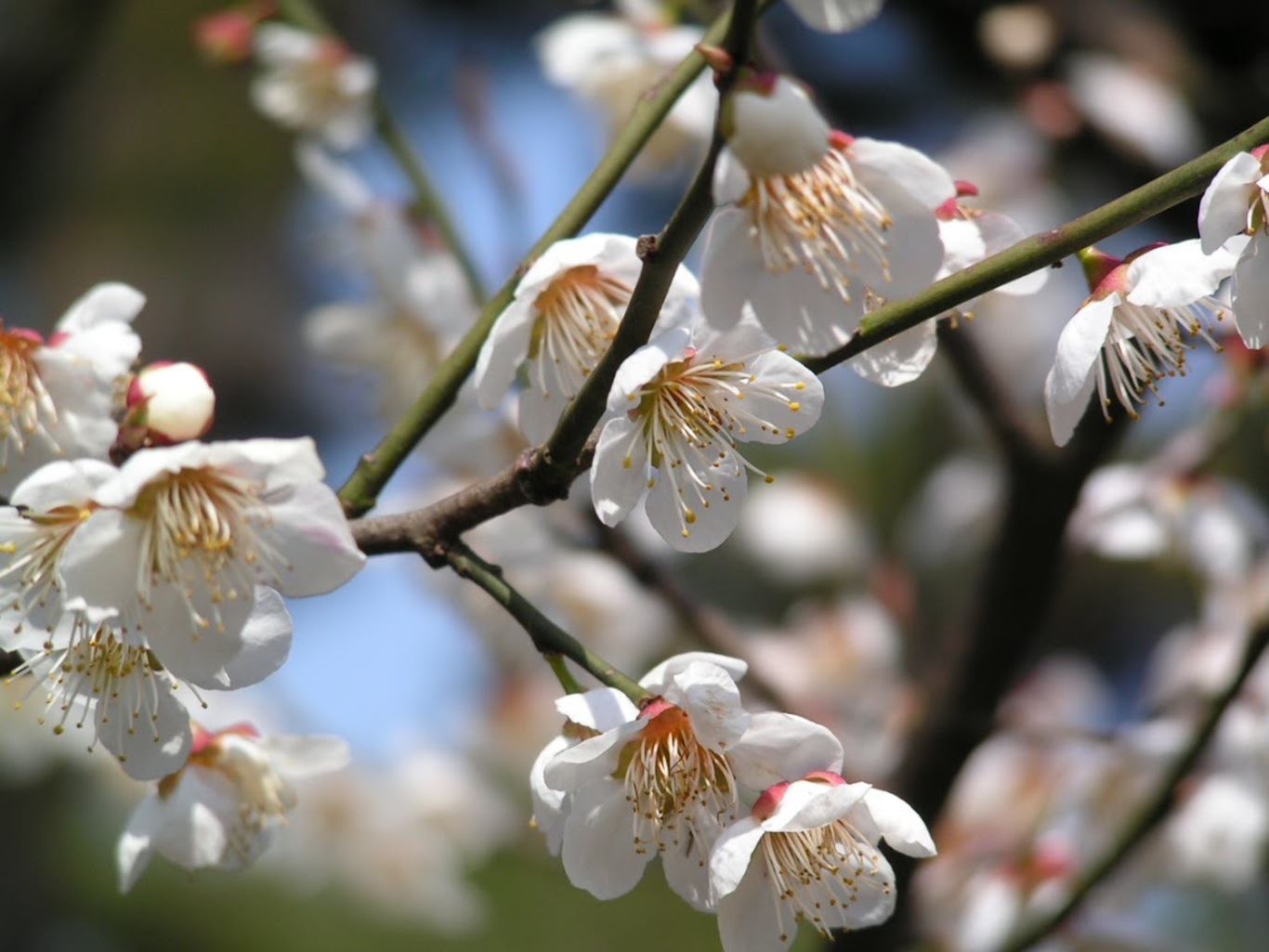
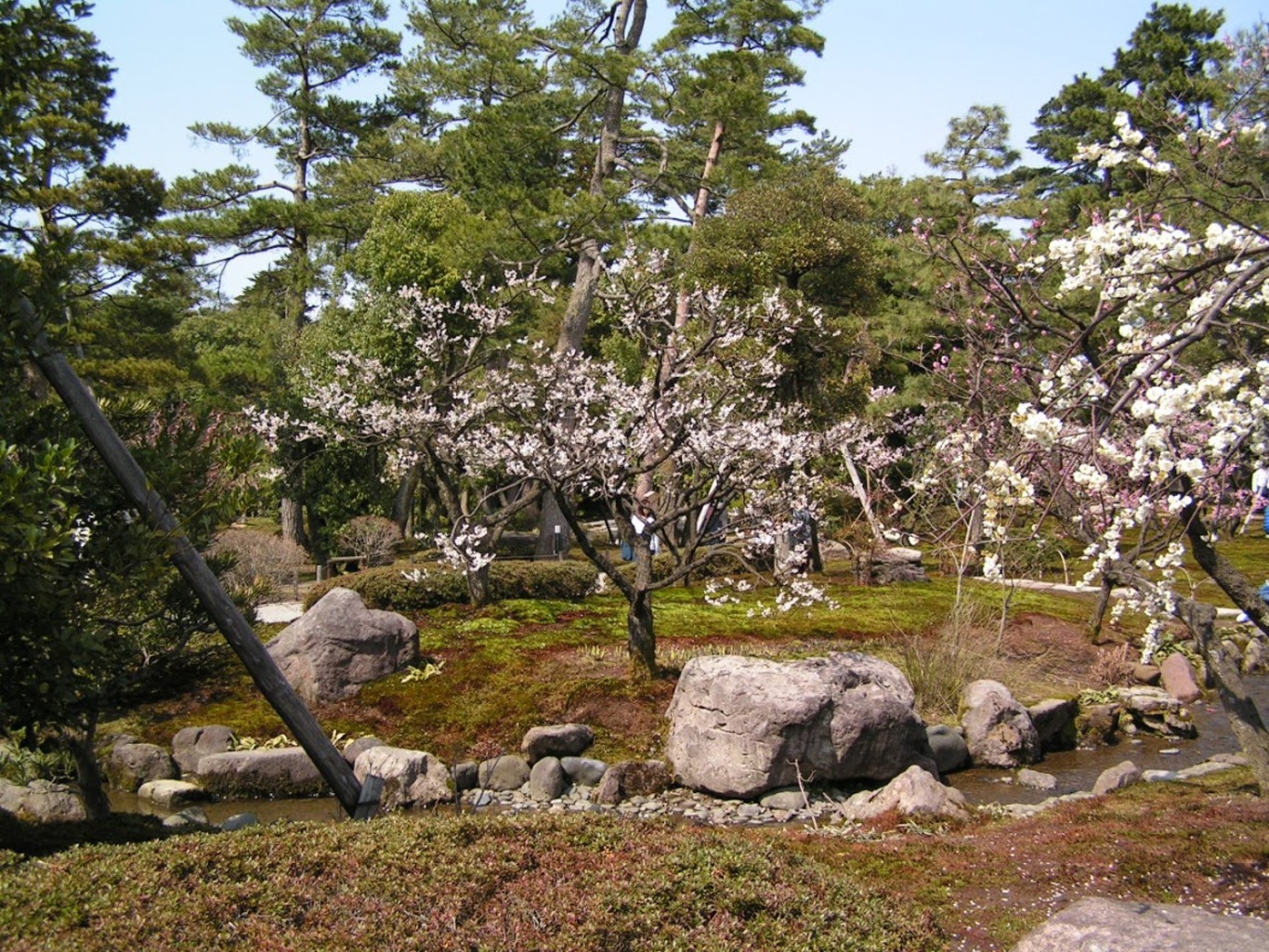
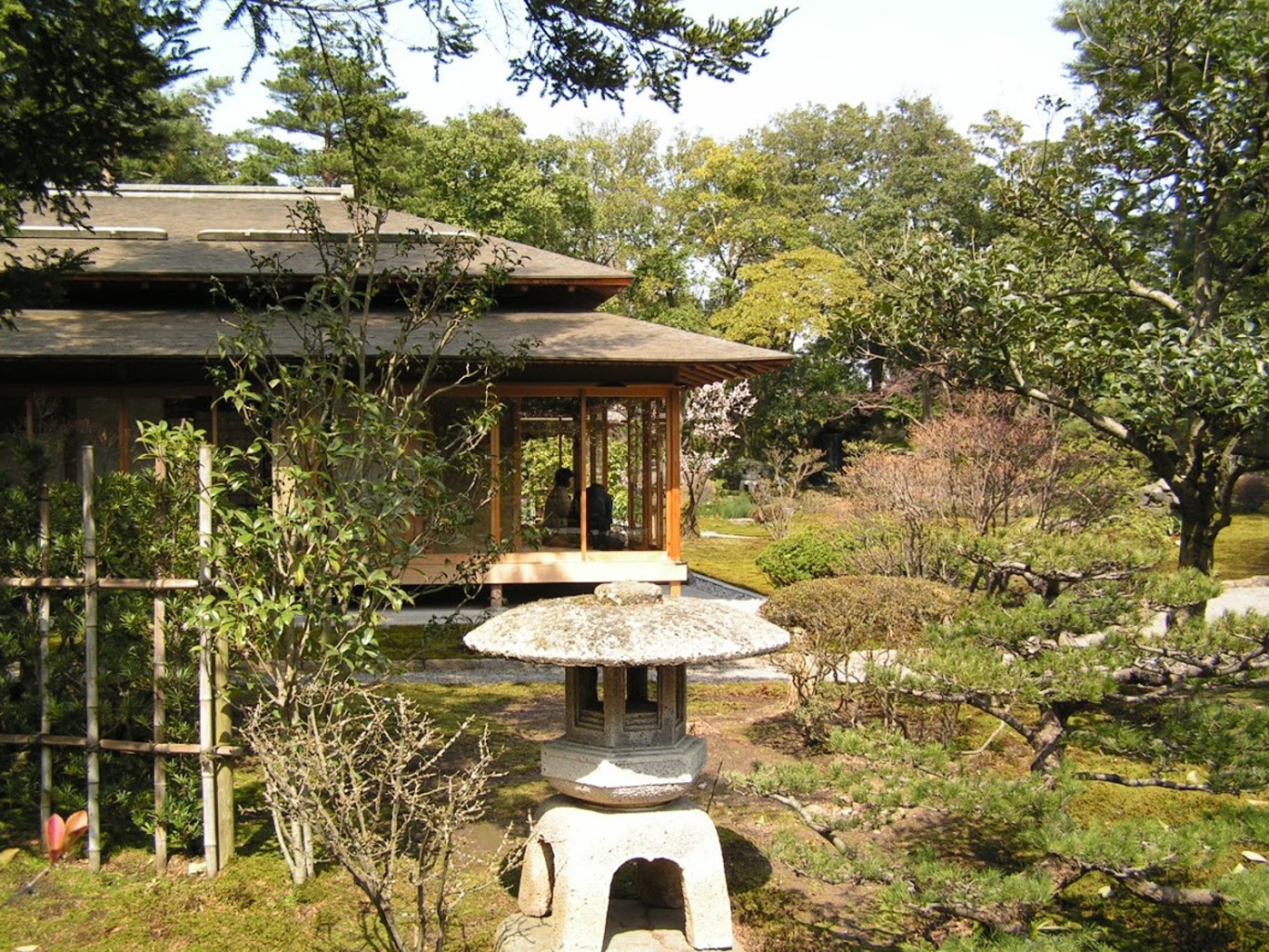
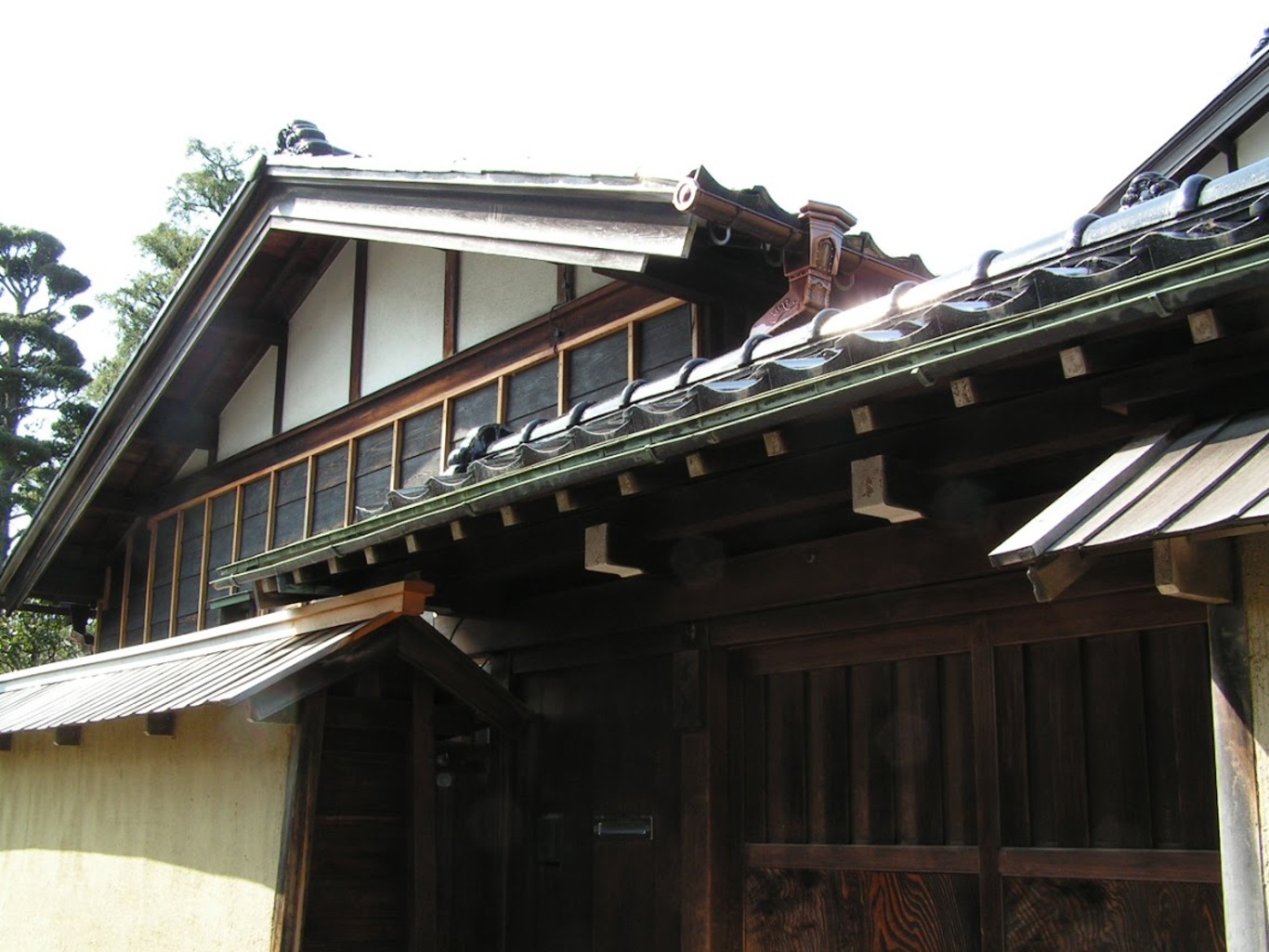
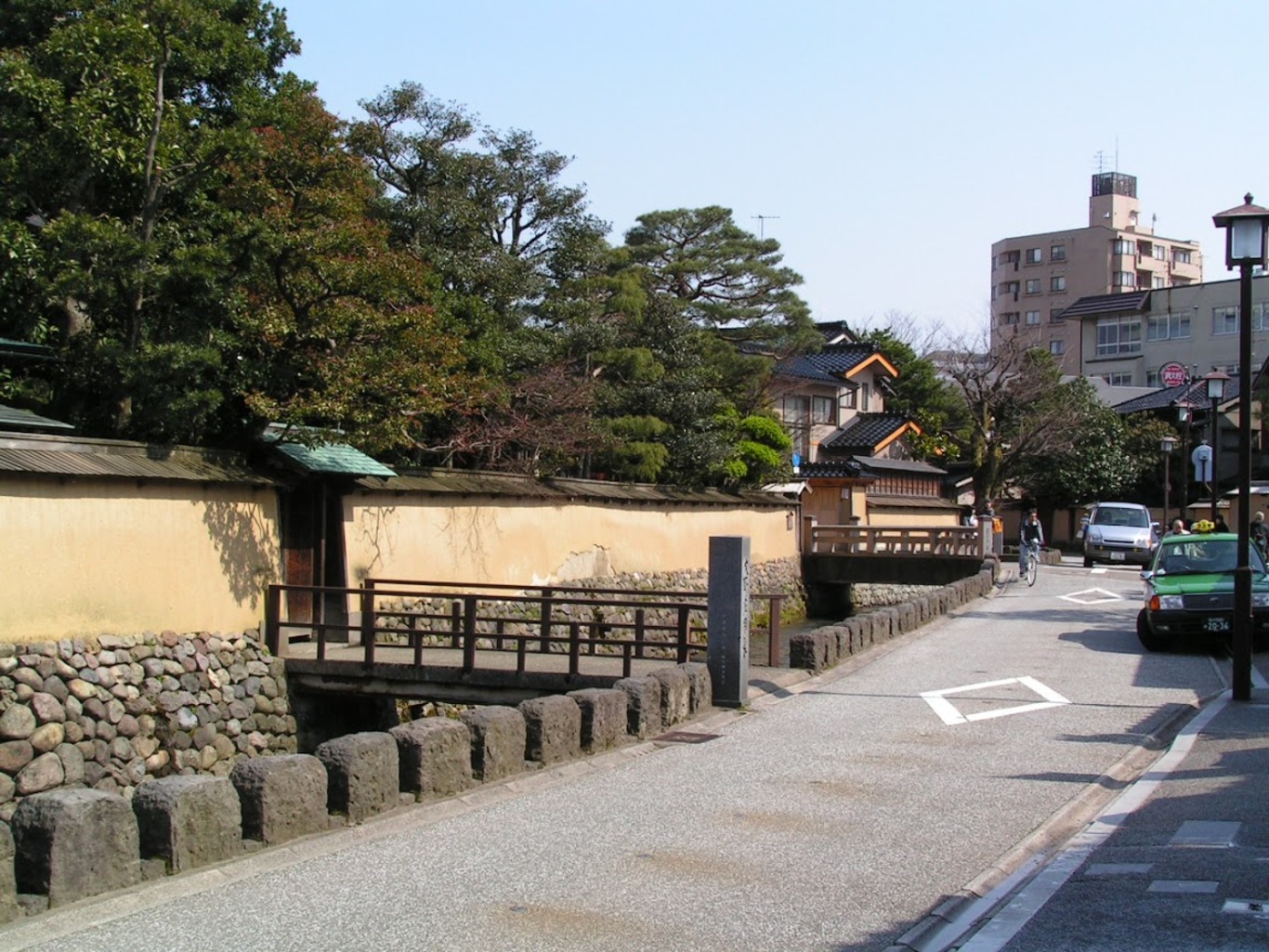
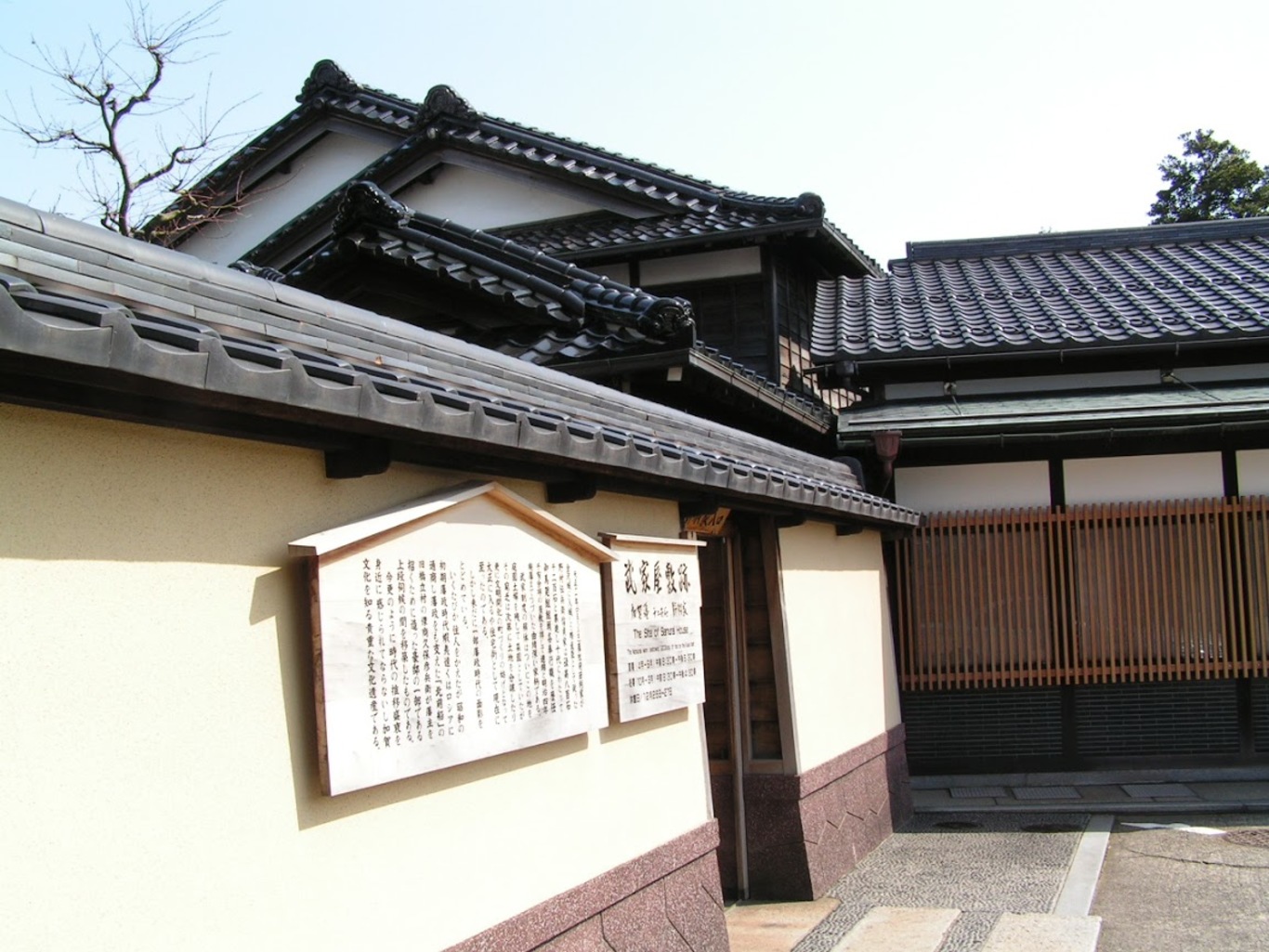
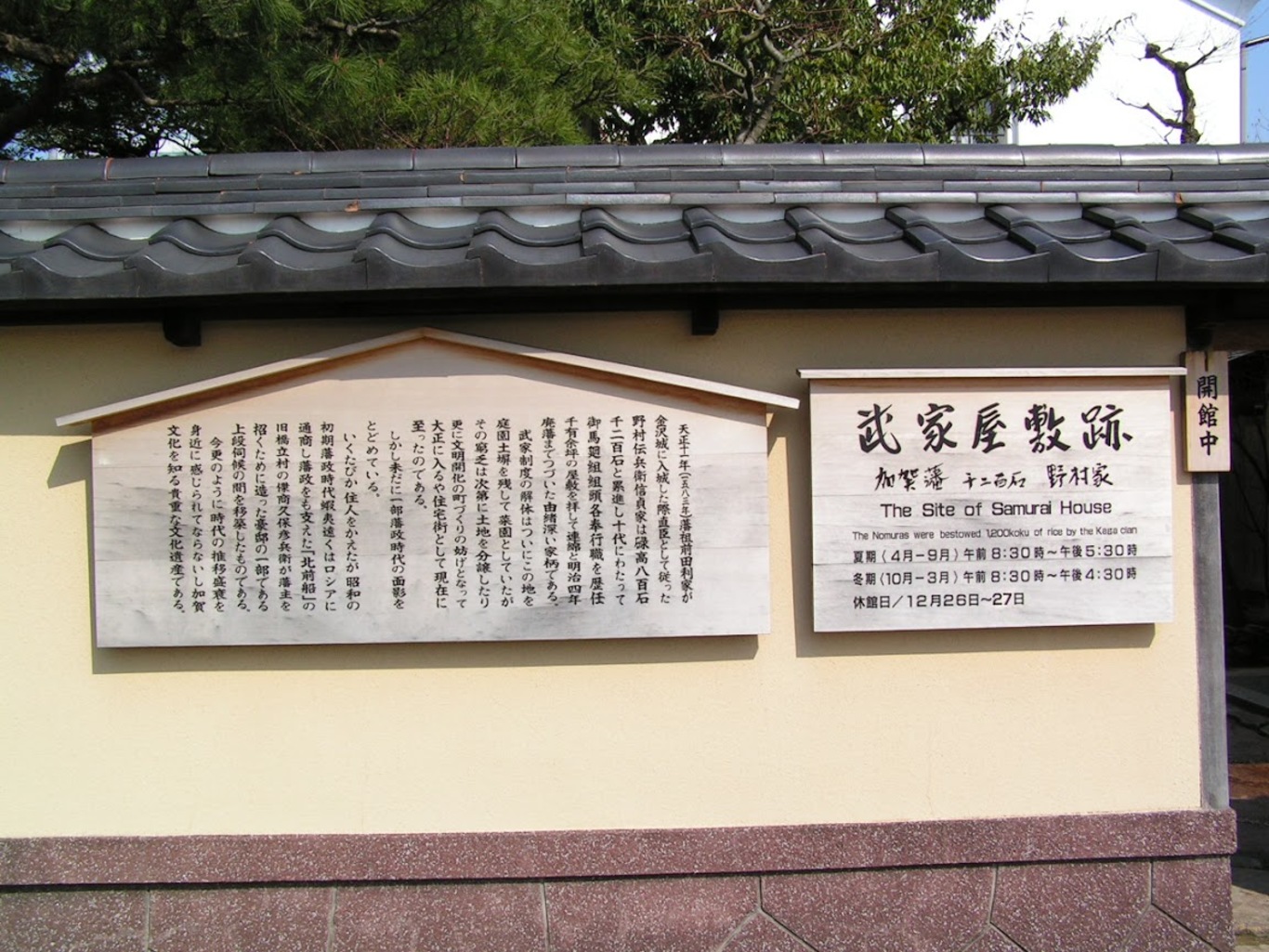
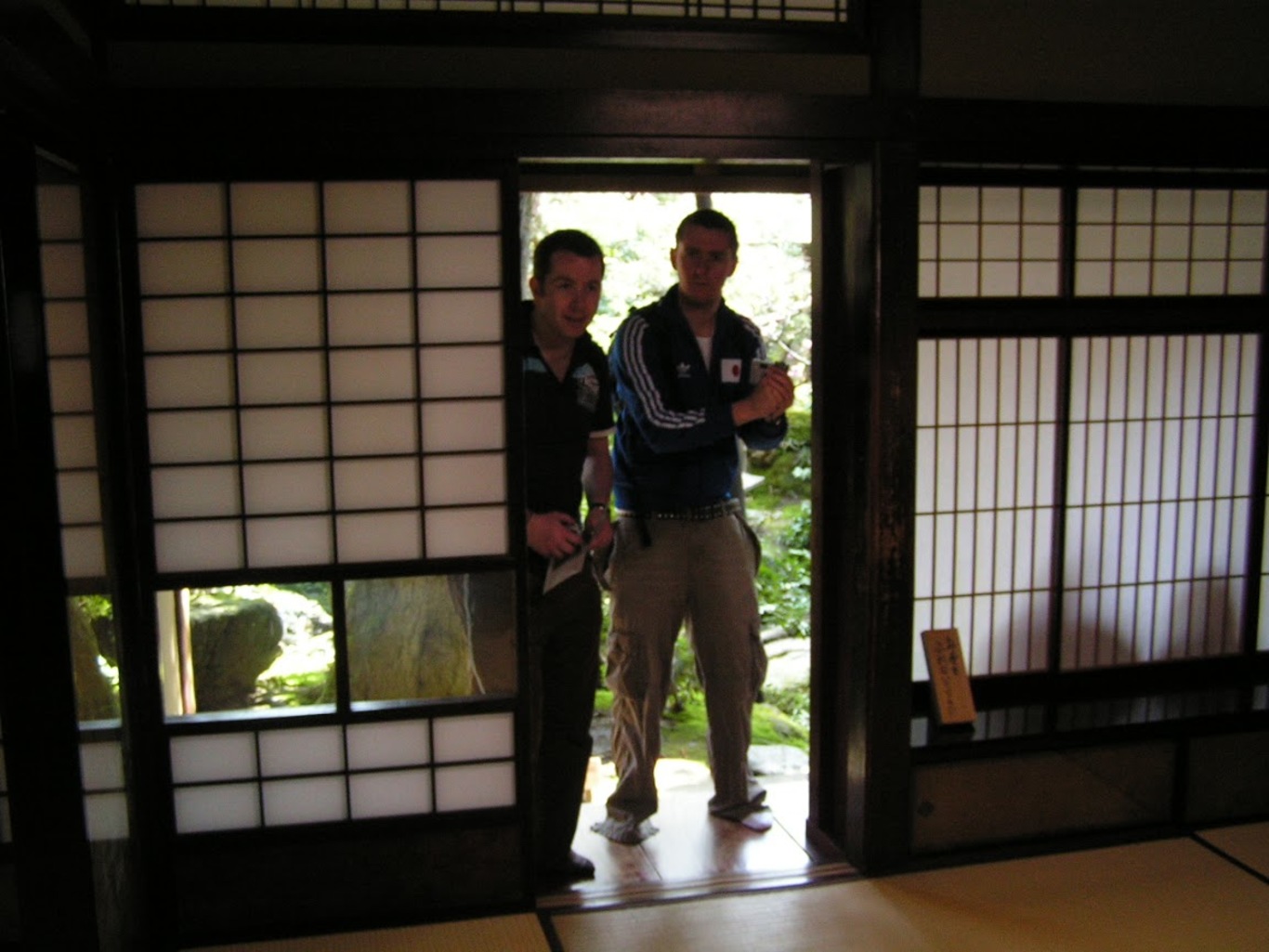
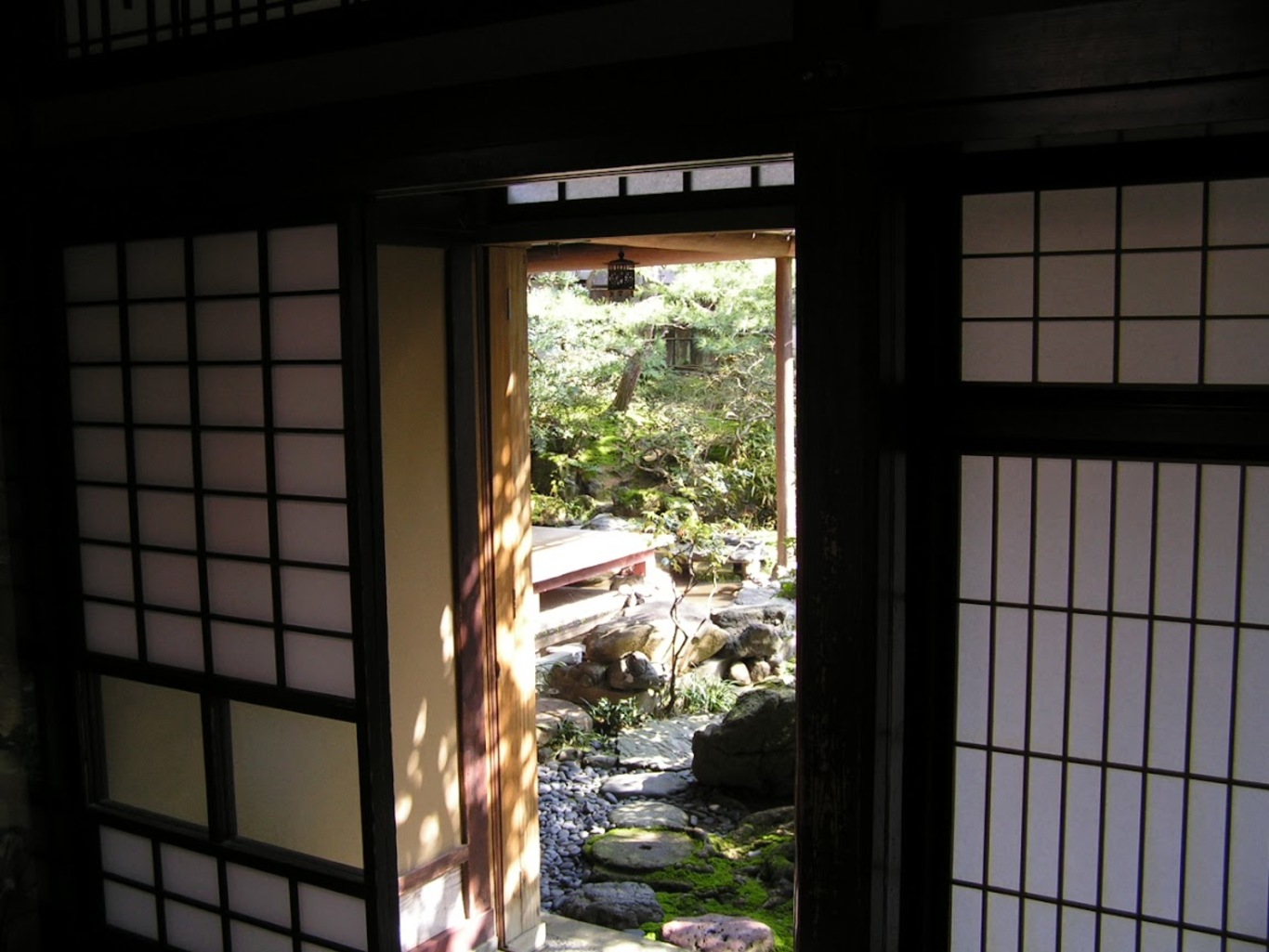
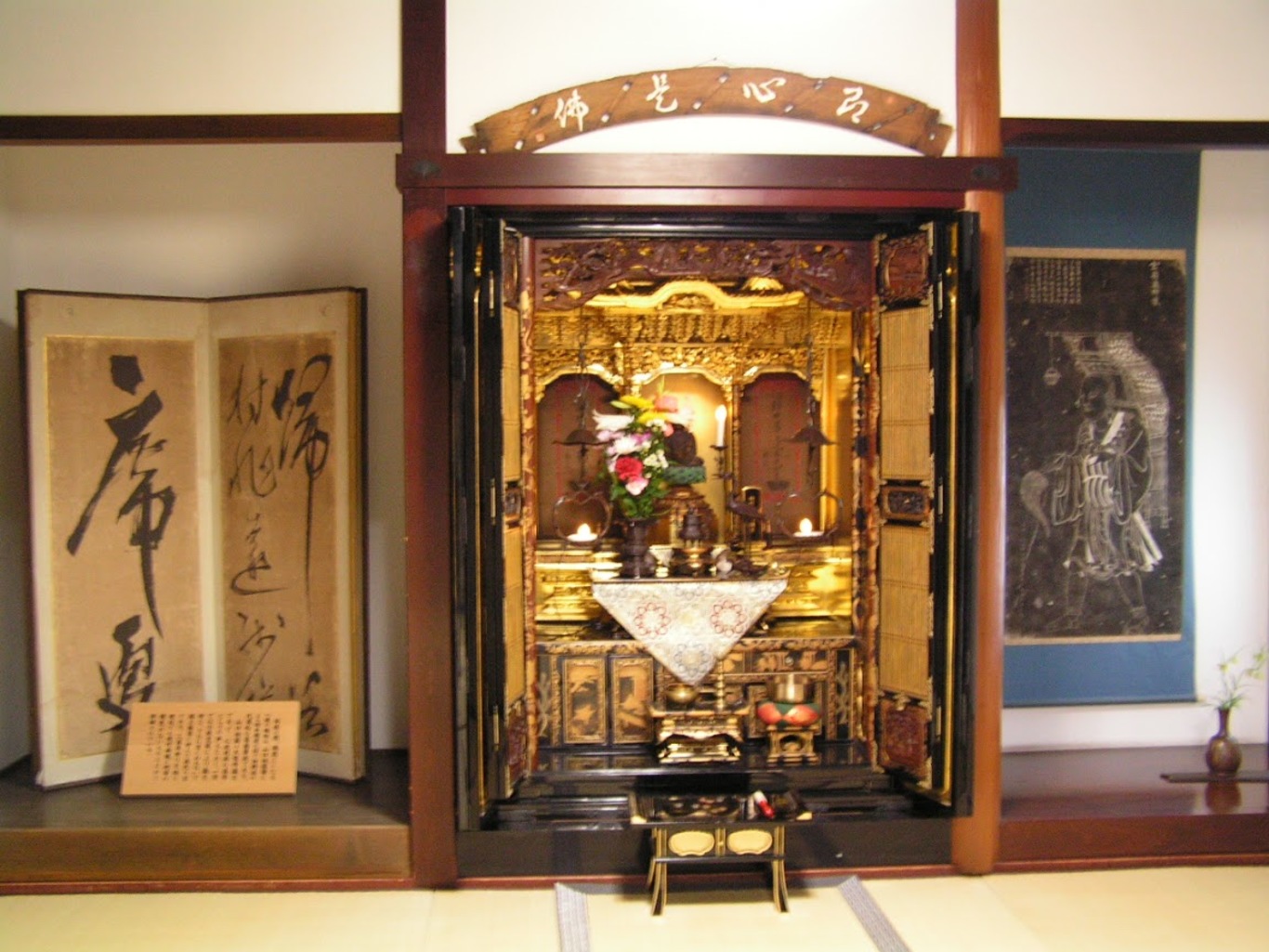
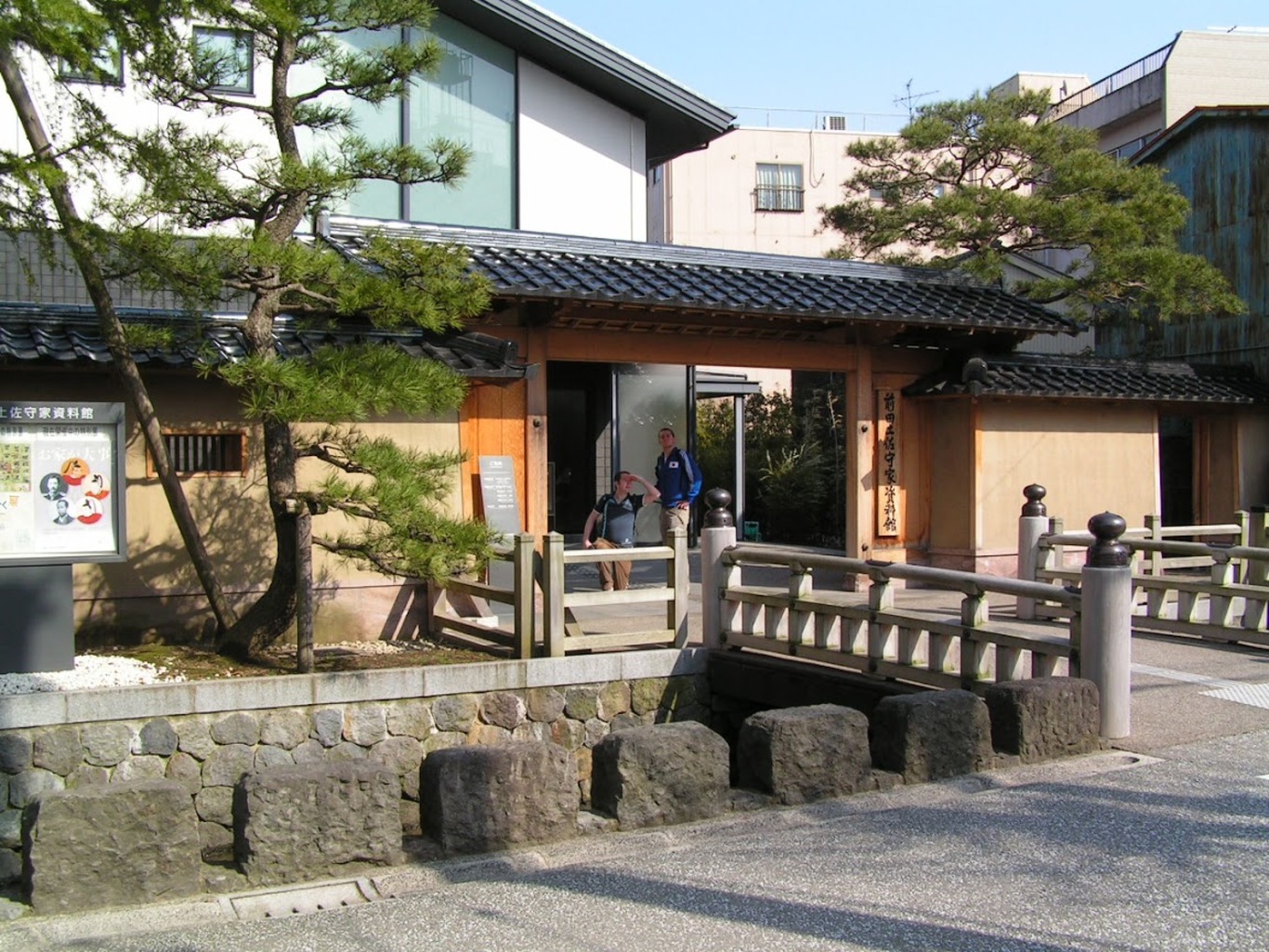
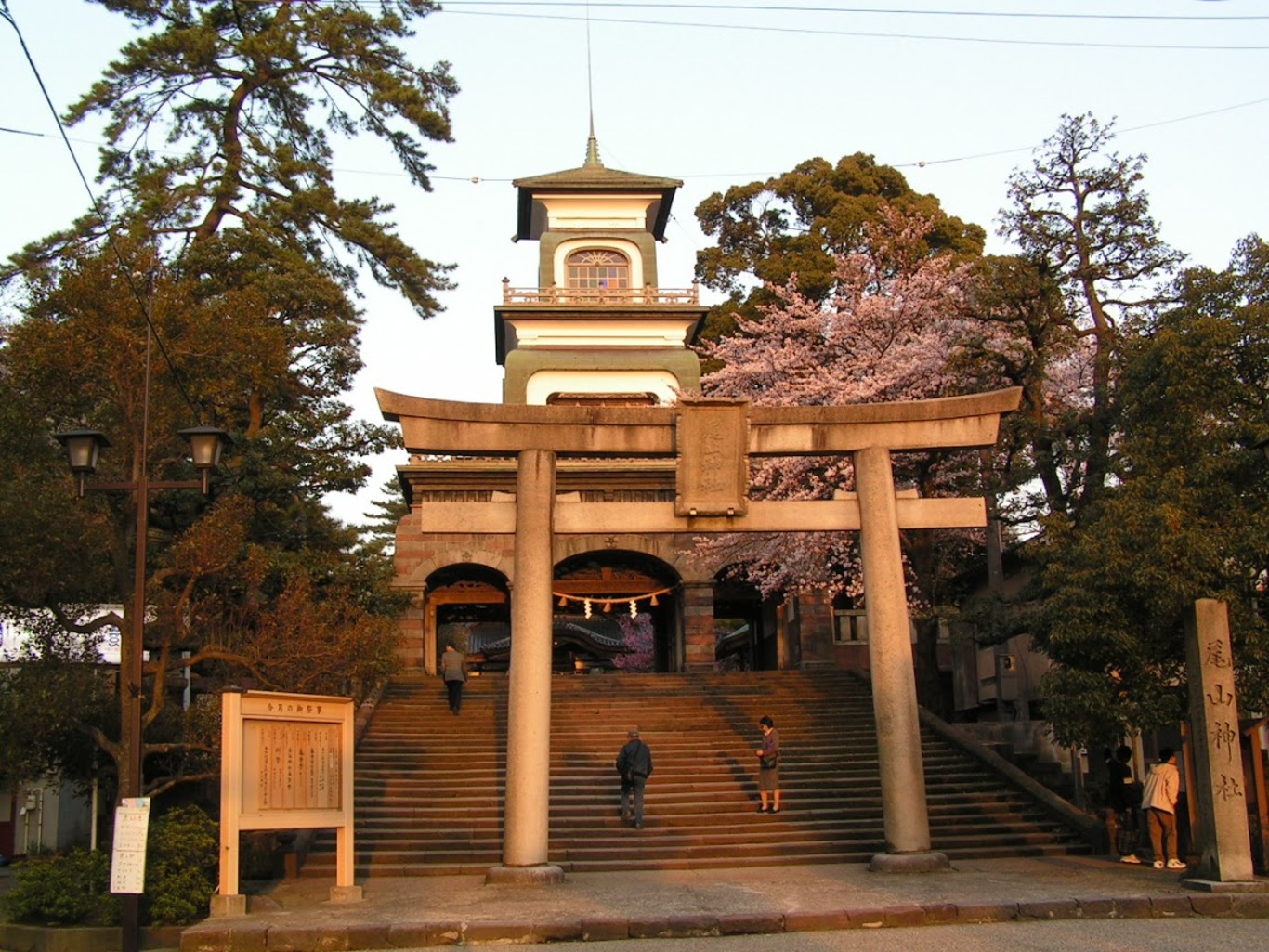
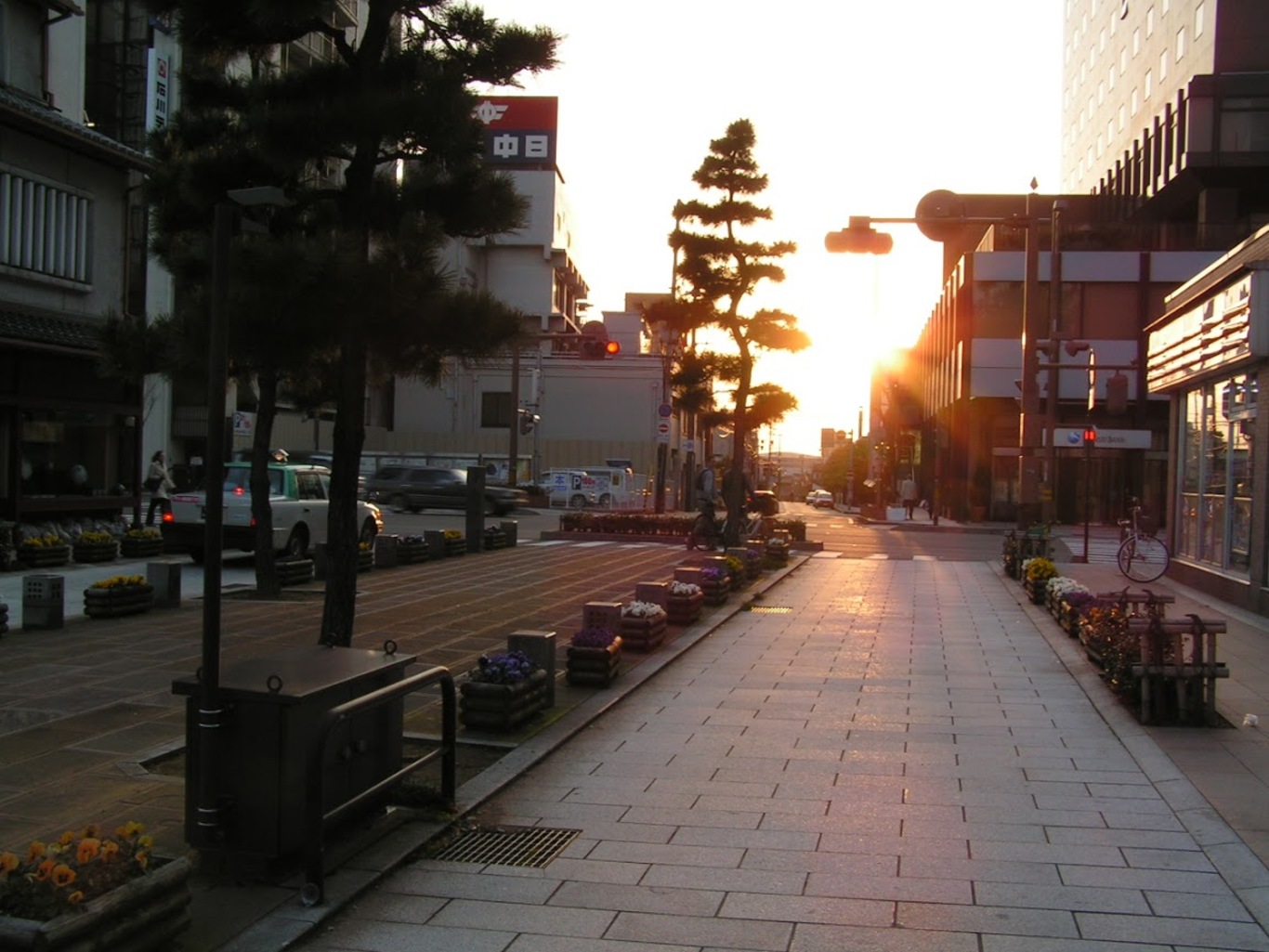
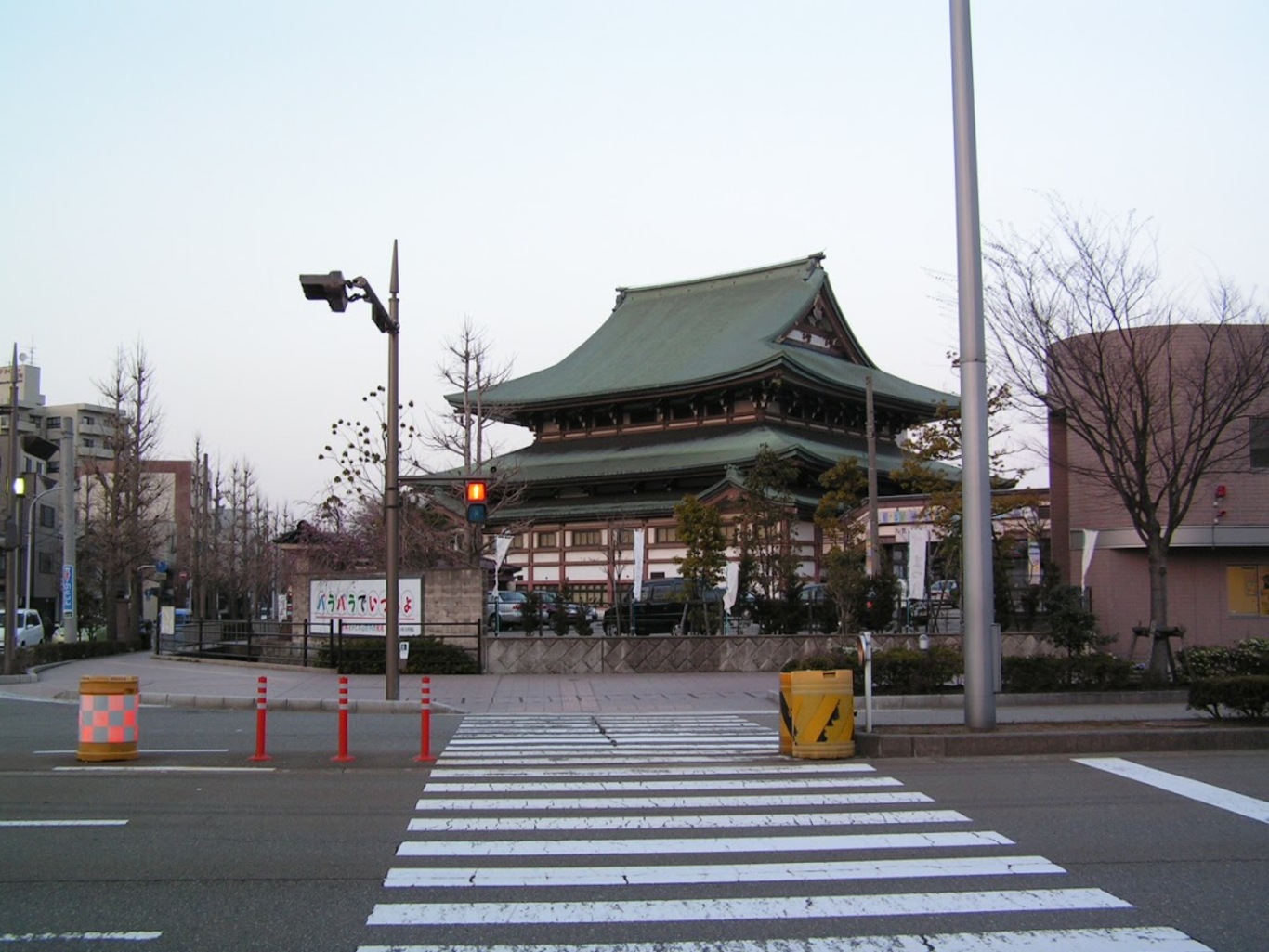
On our travels around Japan in 2006, my friends and I decided to go somewhere which wasn’t in the usual Tōkyō -> Kyōto -> Kobe -> Ōsaka first time visitor path and somewhat randomly decided on Kanazawa.

In a previous incarnation, this blog had some of my photos from that trip with the disclaimer that somewhat foolishly when I backed them up to my ipod at the time I didn’t click the full-size backup option and as a result my only extant photos from that time are poor quality and very small.

However, one of my travel partners from the trip has just recently shared his photos with me and given me permission to upload them here!

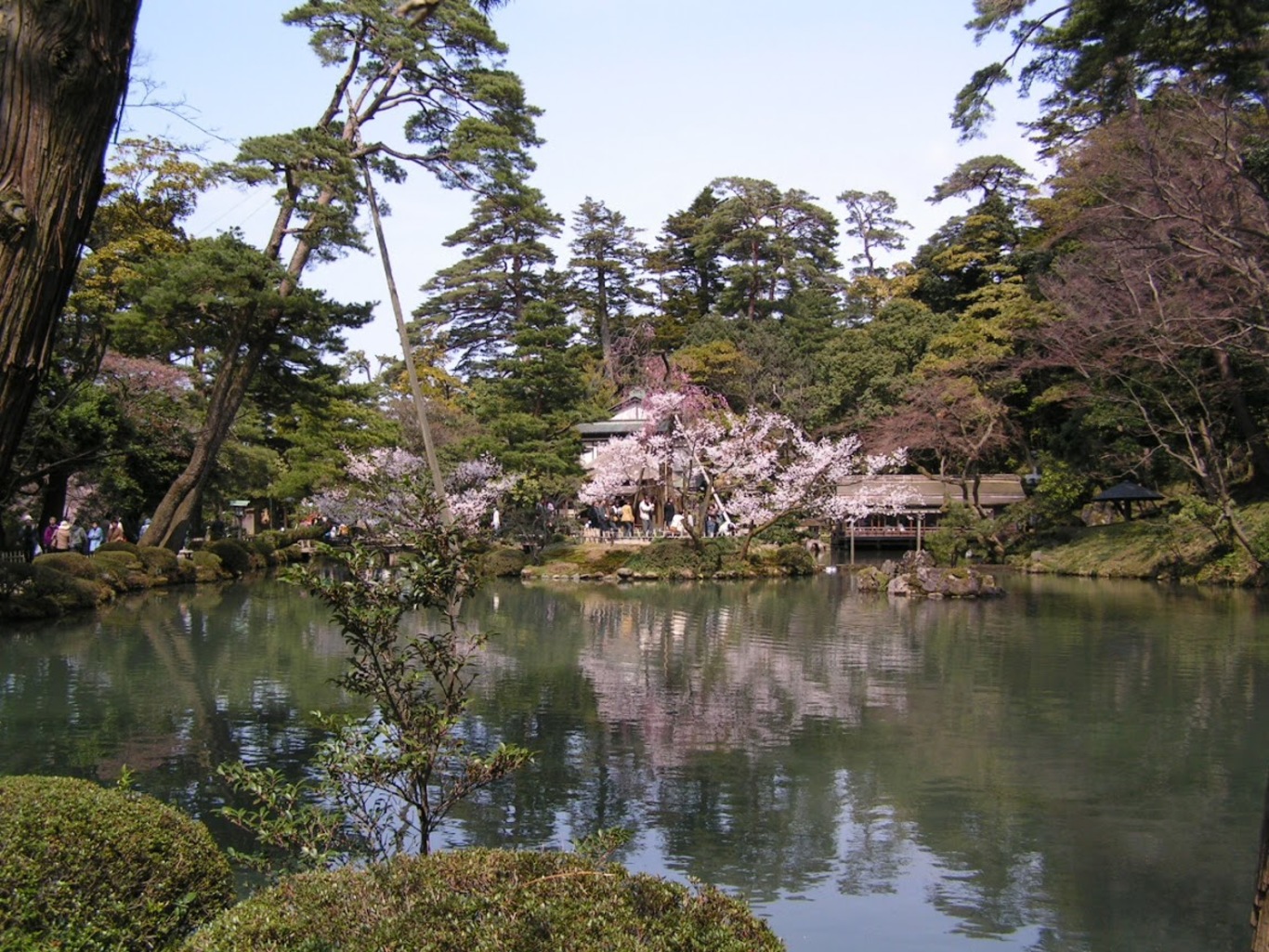
Kanazawa (金沢) means “marsh of gold” which relates to an ancient legend of the peasant Imohori Togoro, whilst digging for potatoes, Togoro discovered flakes of gold and this new found fortune lead to 100 years of peasant rule of the city.

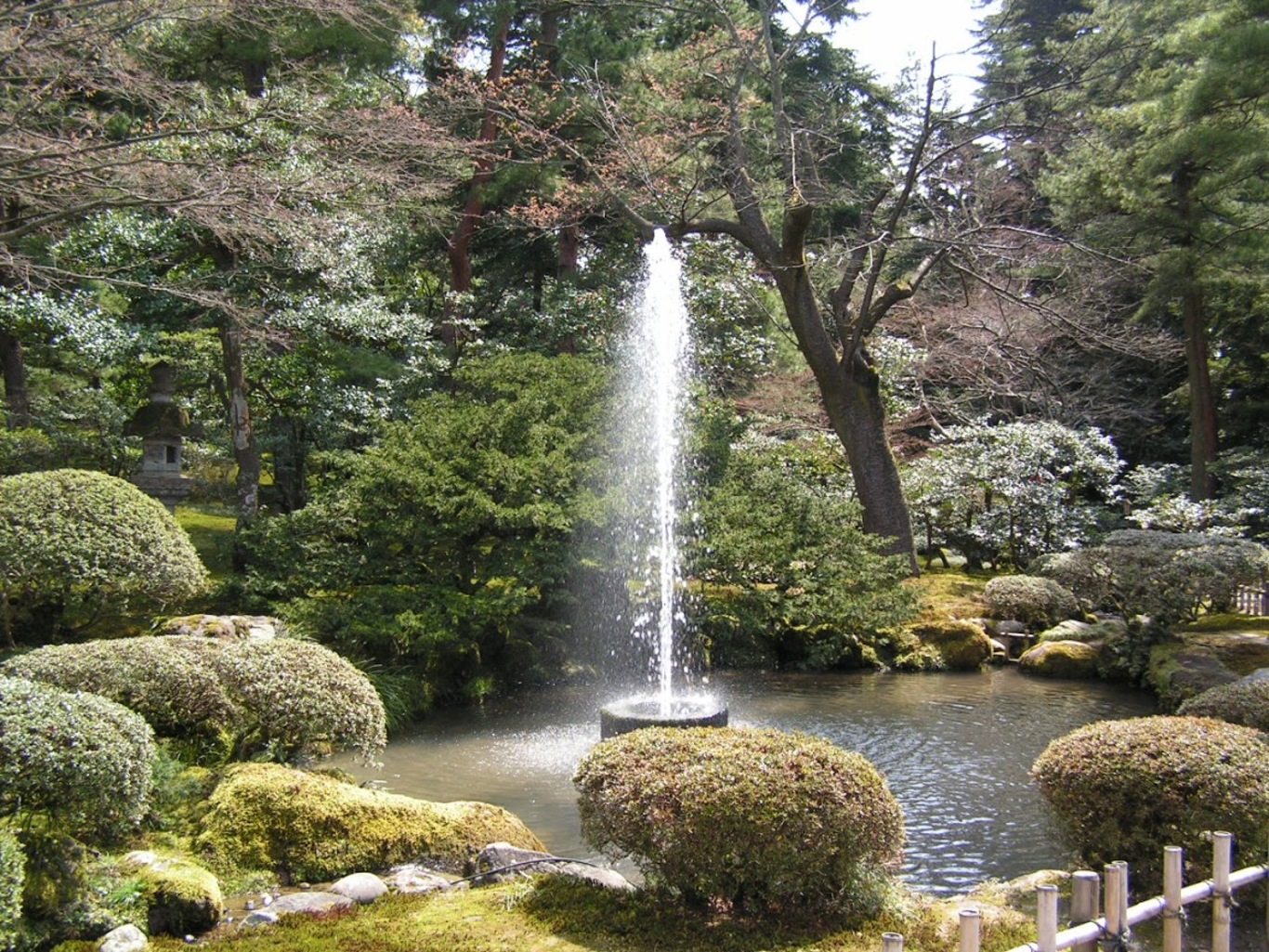
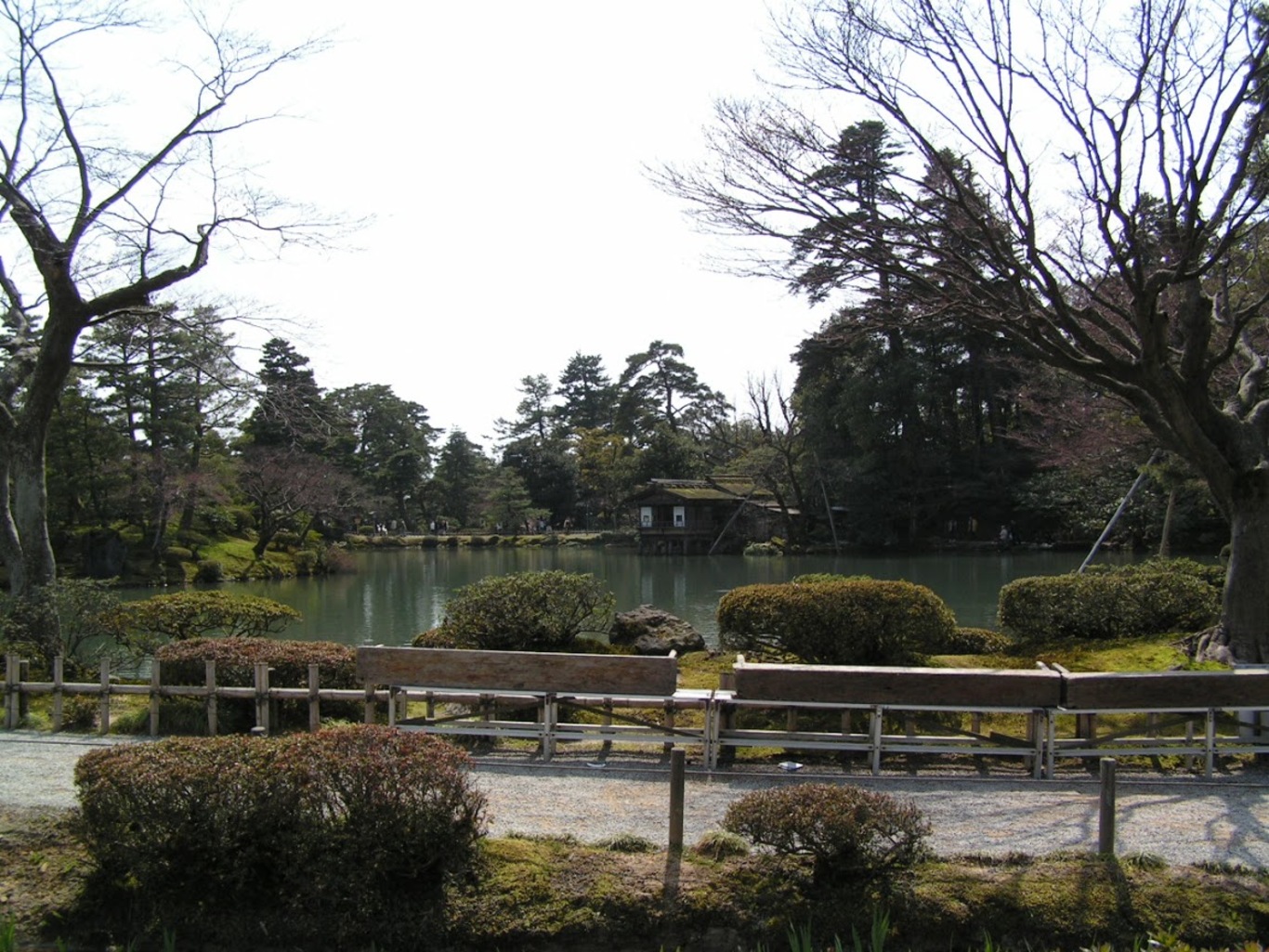
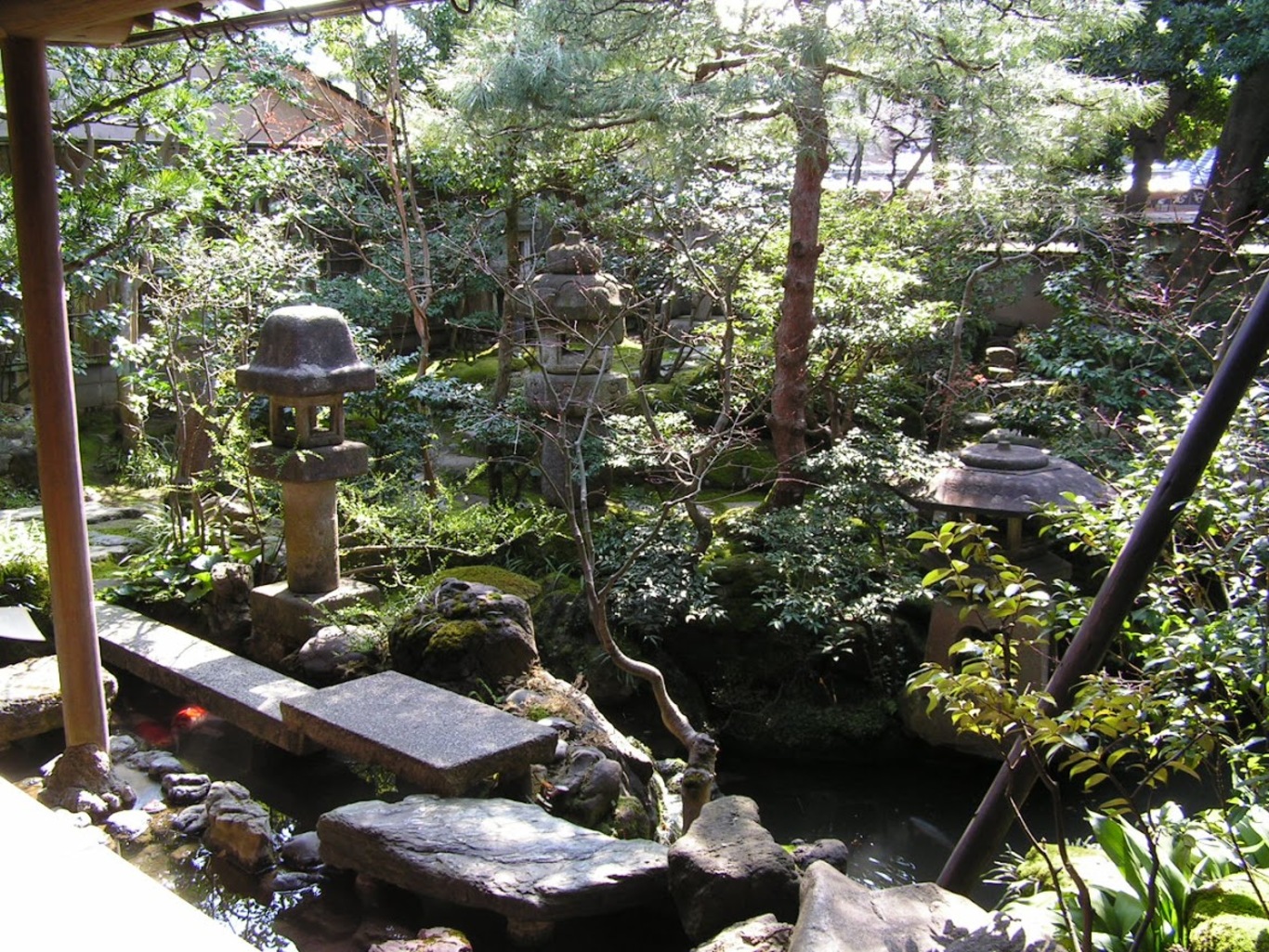
Kanazawa is home to one of the top three (Japanese tourist trade loves its lists) most beautiful Japanese gardens called Kenrokuen, another of which is Korakuen located in Okayama where I lived for a year as an exchange student (in the city, not the garden). The third is Kairakuen in Mito which I have not as of yet visited.

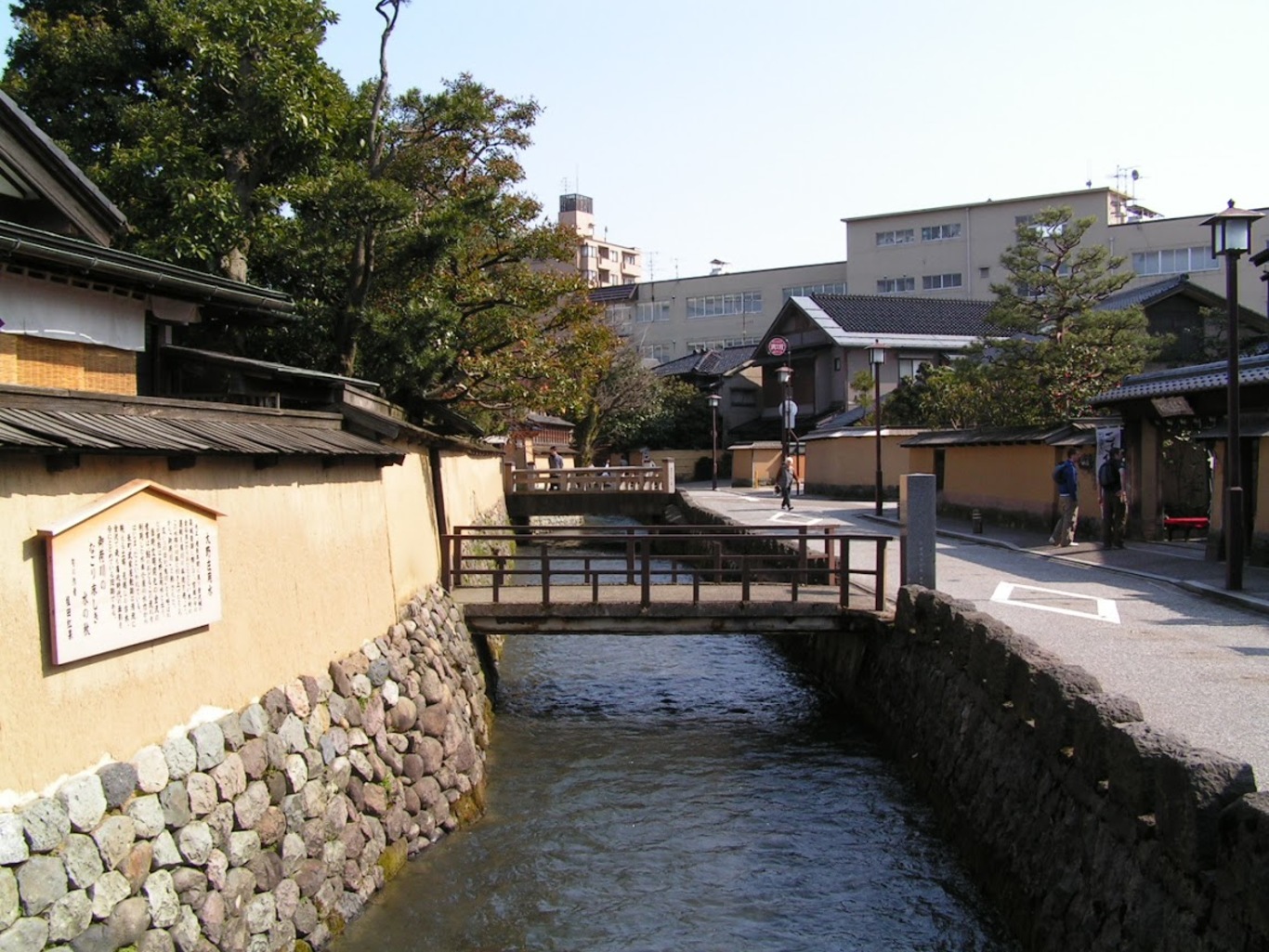
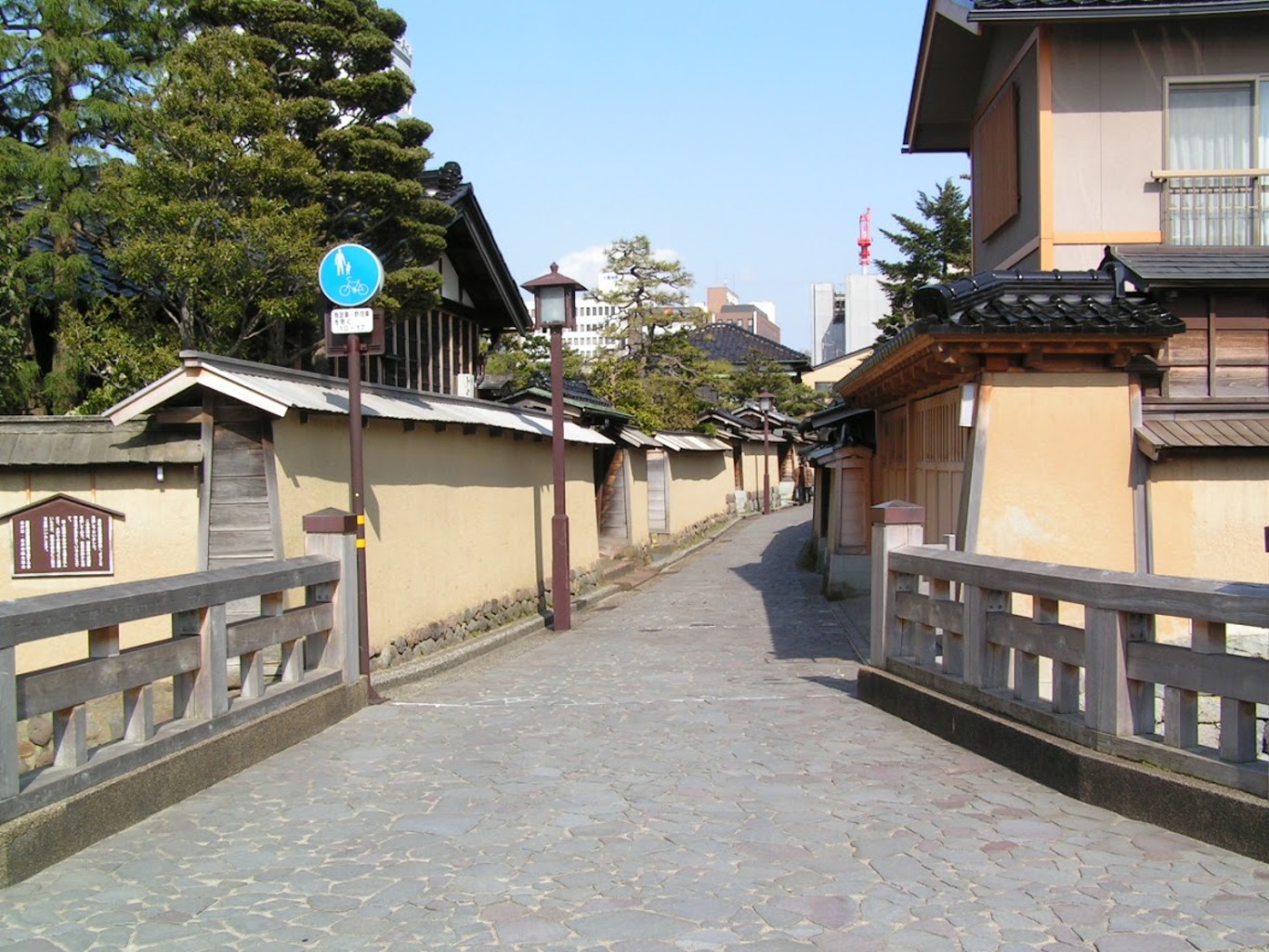
Kanazawa is also home to a samurai area and a geisha area, we visited the former and it was pretty cool.

Without a doubt my highlight of the trip to Kanazawa was sharing a hotel with athletes\performers from the Japanese Wrestling Assocation! Sitting in a lobby waiting for friends to arrive, surrounded by very muscular but relatively short angry looking Japanese men, reading newspapers and sipping tea was priceless.

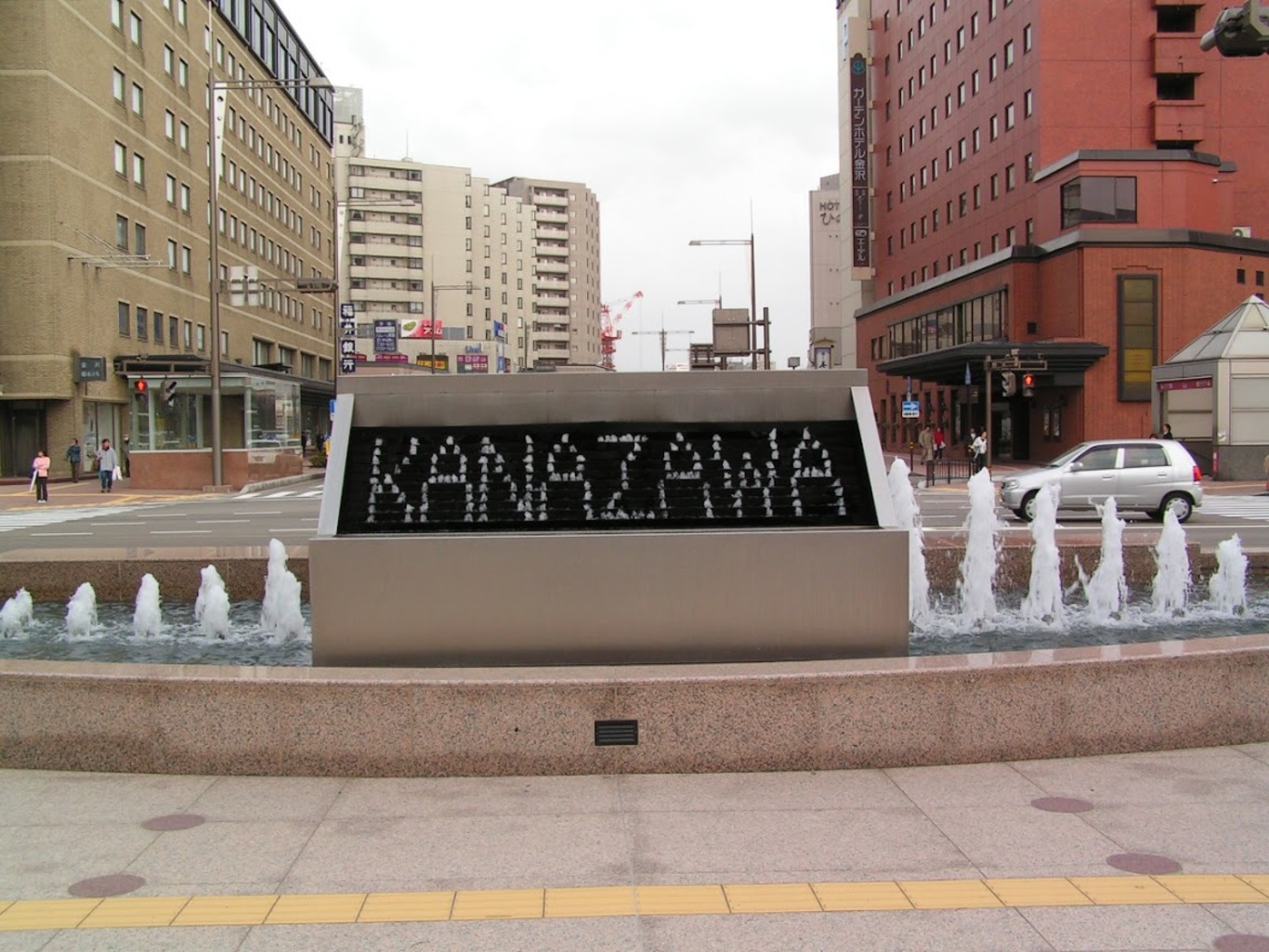
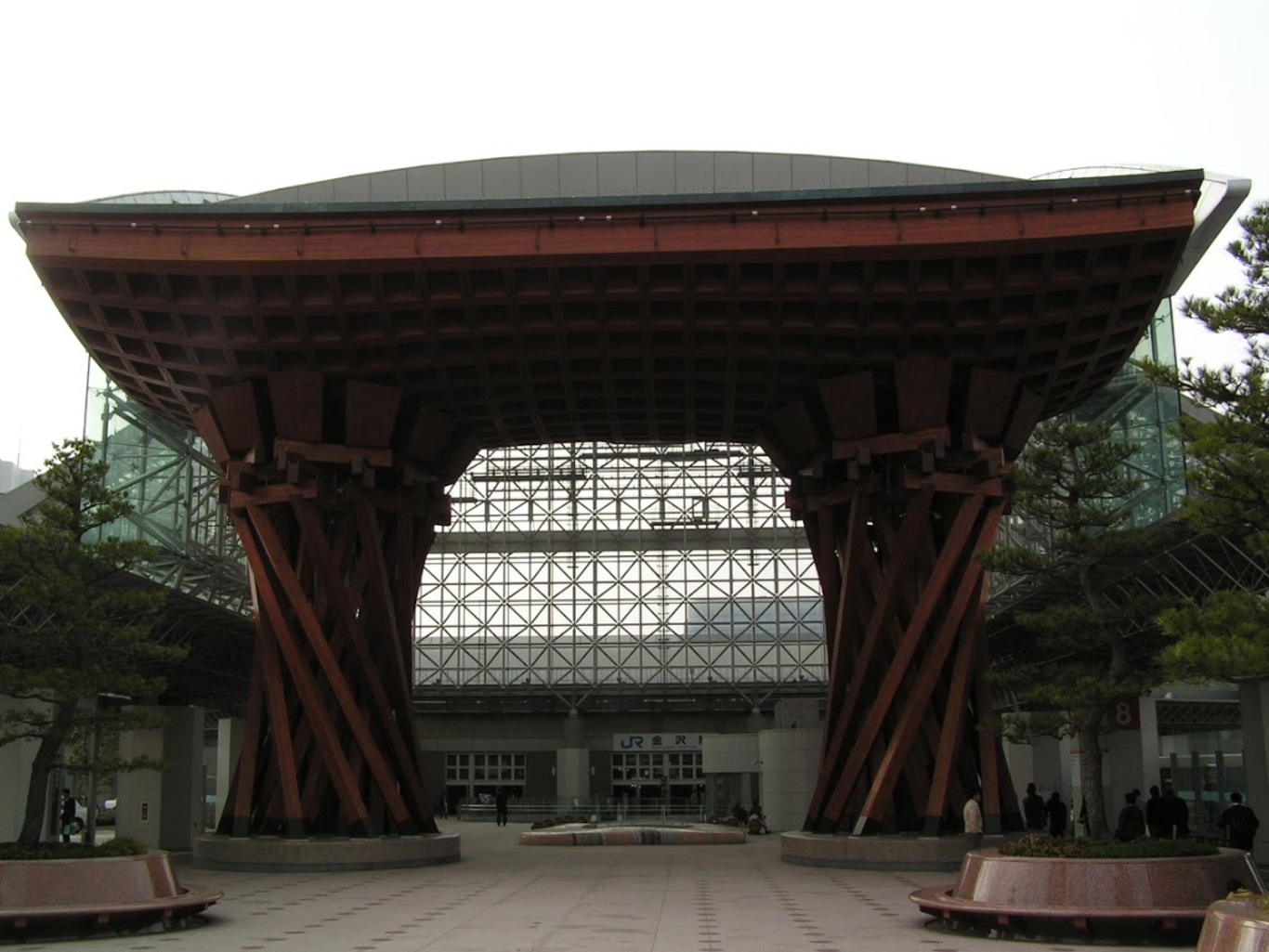
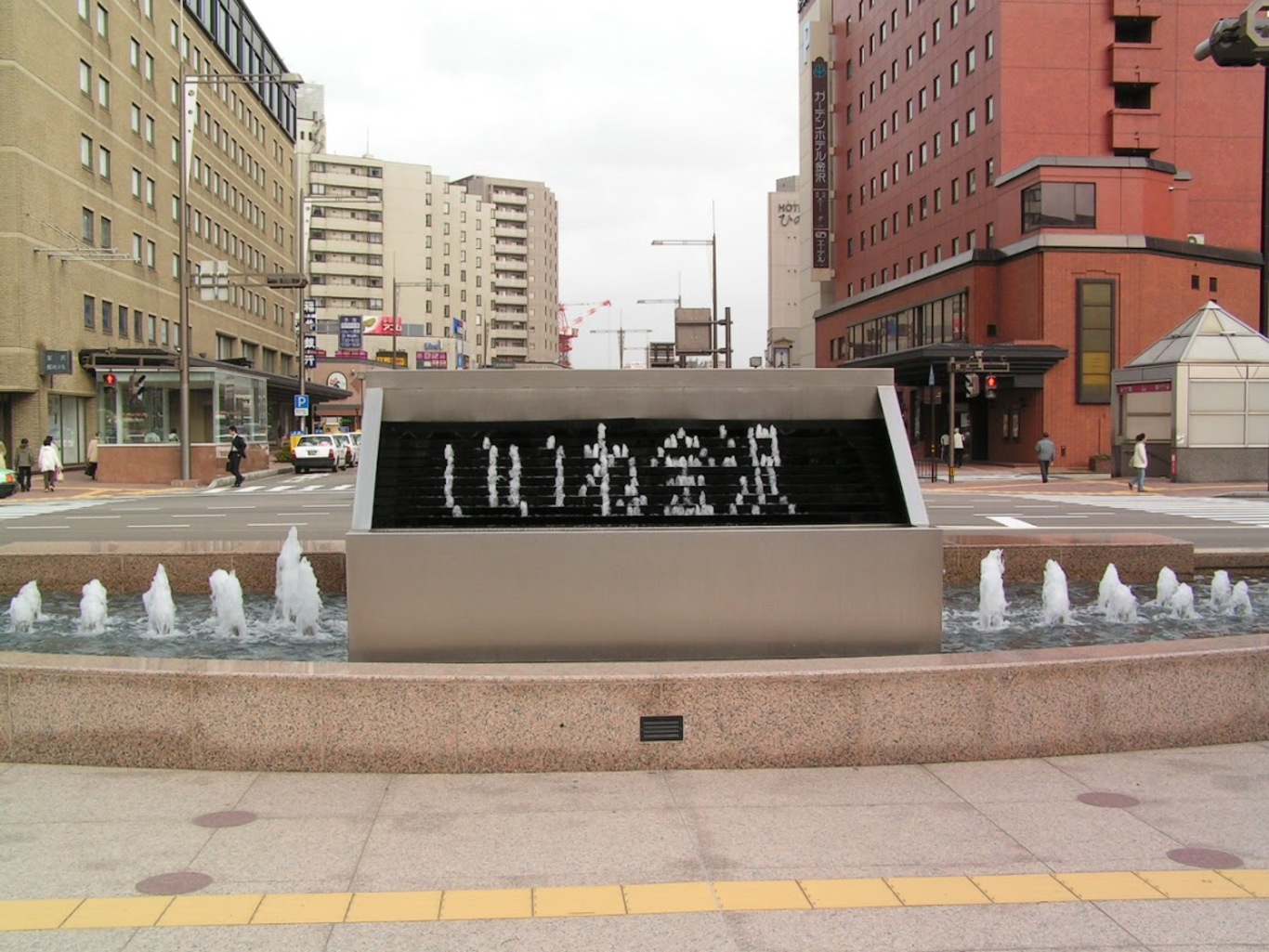
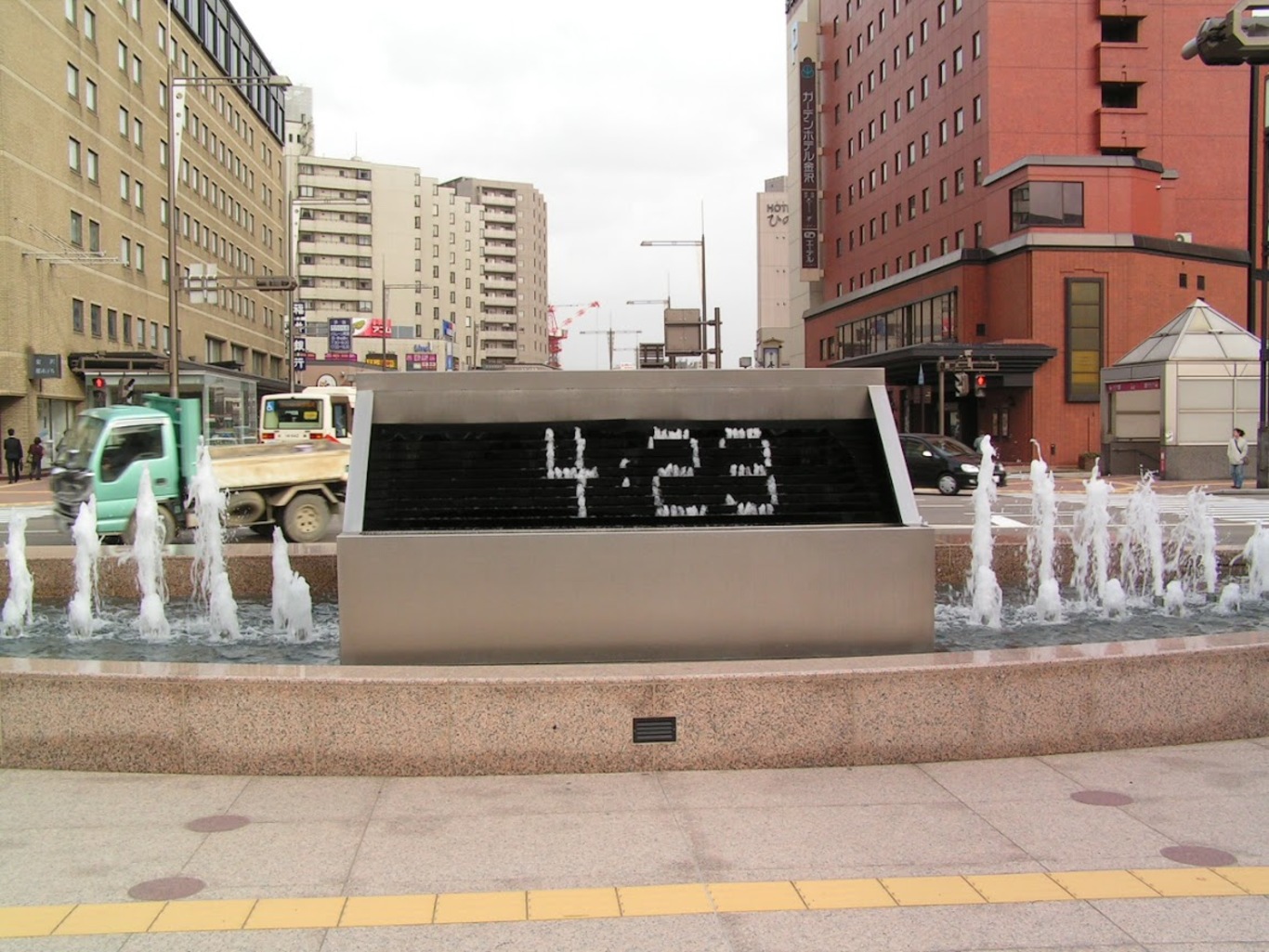
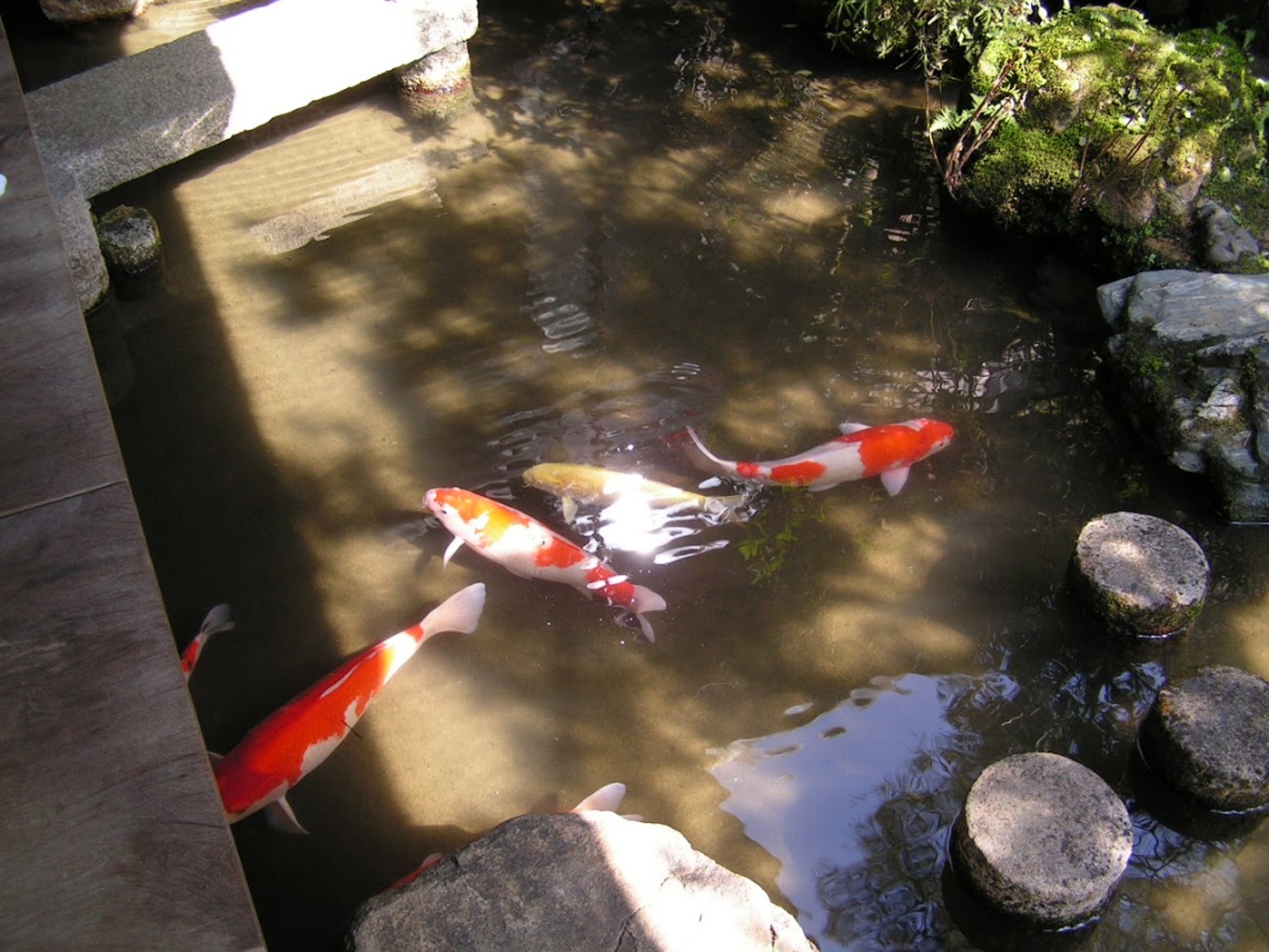
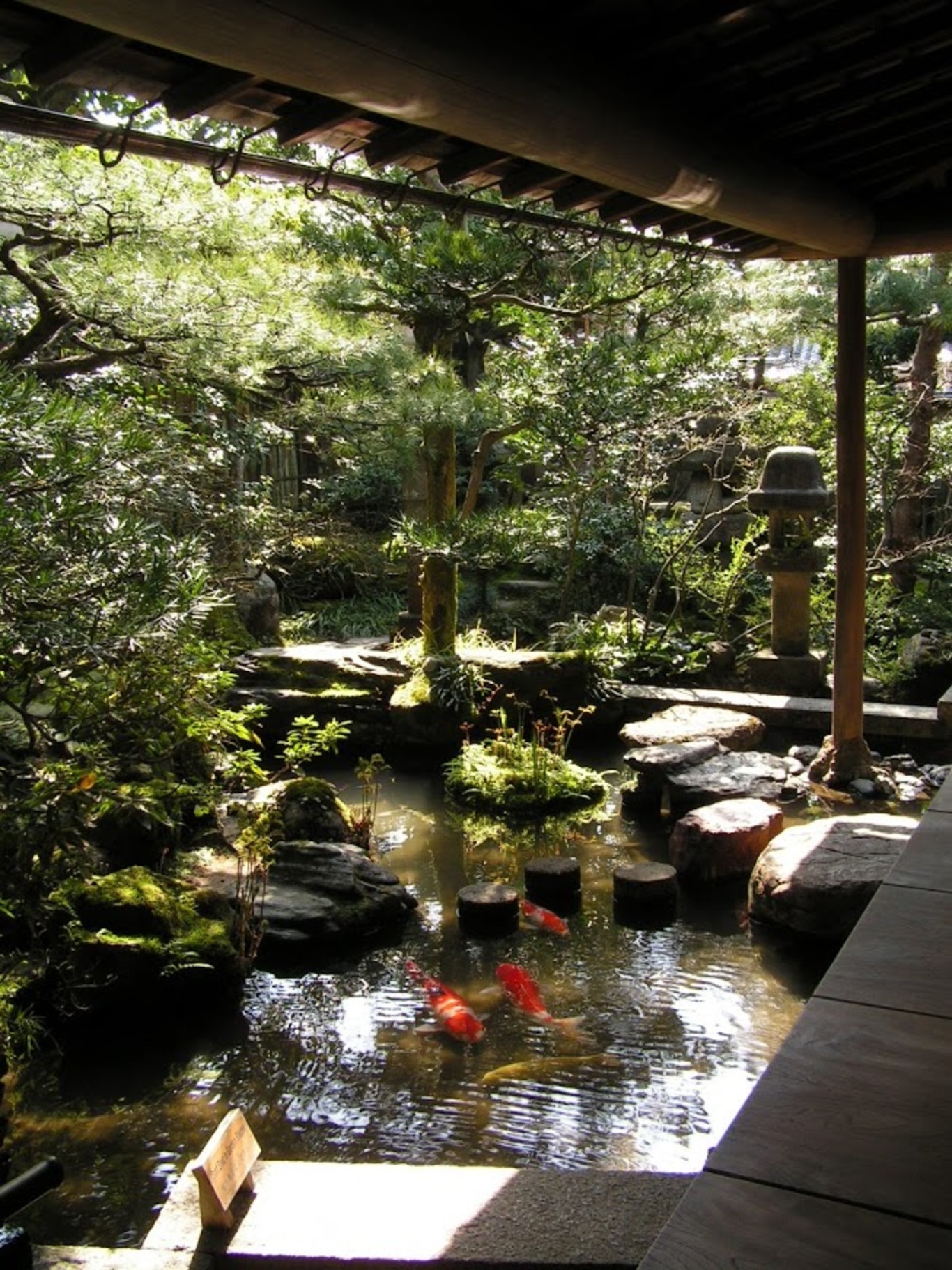
Kanazawa Kanazawa
Kanazawa Kanazawa
Kanazawa Kanazawa
Kanazawa Kanazawa
Kanazawa Kanazawa
Kanazawa Kanazawa
Kanazawa Kanazawa
Kanazawa Kanazawa
Kanazawa Kanazawa
Kanazawa Kanazawa
Kanazawa Kanazawa
Kanazawa Kanazawa
Kanazawa Kanazawa
Kanazawa Kanazawa
Kanazawa Kanazawa
Kanazawa Kanazawa
Kanazawa Kanazawa
Kanazawa Kanazawa

Dè an uair a tha e? – Lesson 4

Blog: Kilted Scot
Categories: 3-minute read
Tags:

Unfortunately, I missed this week’s Gaelic class so this post will be a little shorter than the previous weeks’ efforts.

Nevertheless my tutor advised that “We did lots of revision on past and future tense…and started ‘the time’!”, so that’s what we are going to do!

An Uair – The Time

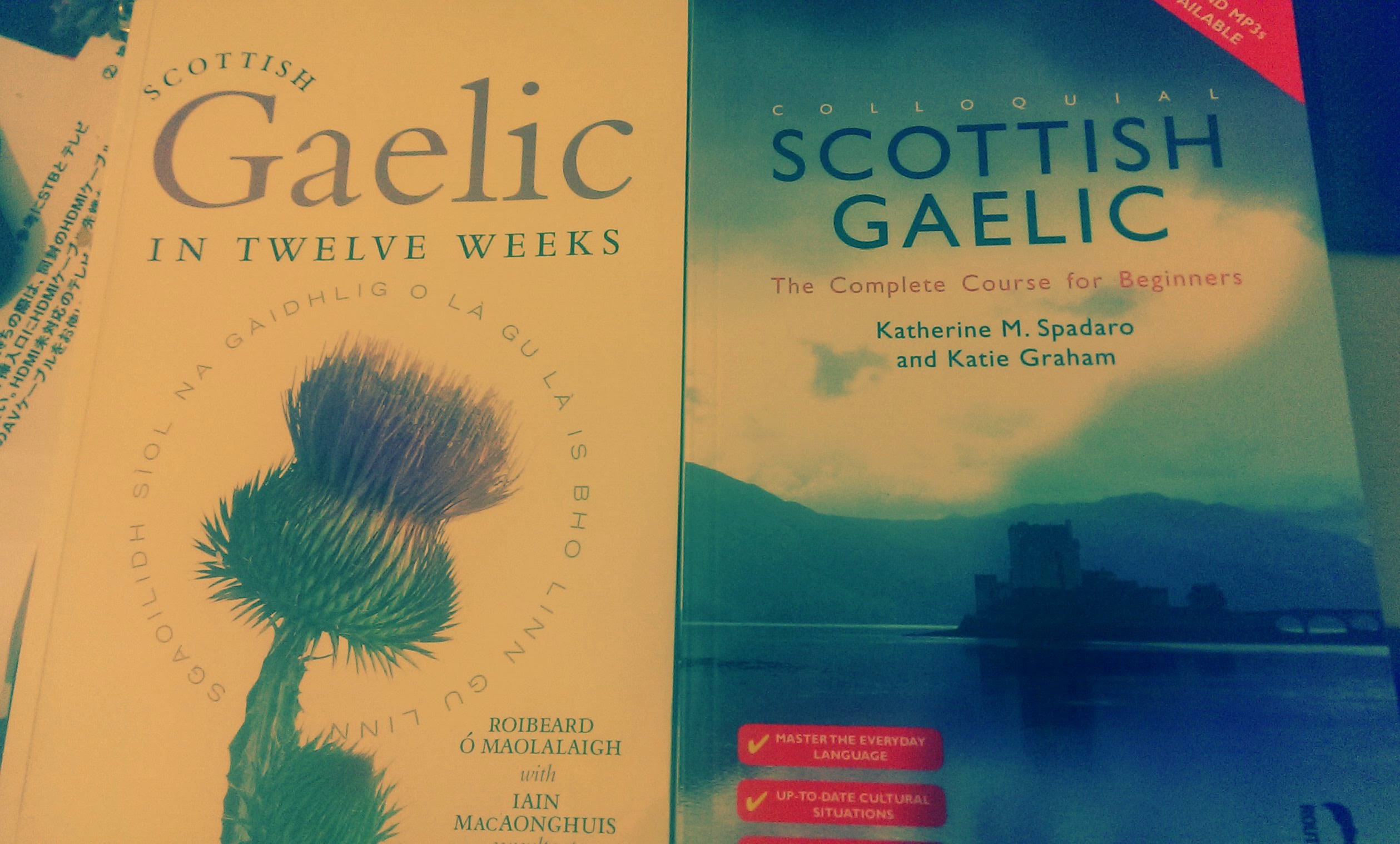
As well as the two A4 sides of class notes, I’l refer to Scottish Gaelic in Twelve Weeks to pad things out a little bit.

To ask what time it is you say dè an uair a tha e? where e has previously been used as the personal pronoun ‘he’ in this case it refers to ‘it’, I suspect that will not always be the case in this devious language and that i will be used in the case of feminine nouns. We shall see.

To say ‘it is ..’ therefore is simply ‘tha e ..‘ followed by one of the following:

Gàidhlig English
uair one o’clock
dà uair two o’clock
trì uairean three o’clock
ceithir uairean four o’clock
còig uairean five o’clock
sia uairean six o’clock
seachd uairean seven o’clock
ochd uairean eight o’clock
naoi uairean nine o’clock
dech uairean ten o’clock
aon uair deug eleven o’clock
dà uair dheug twelve o’clock

Note that aon (one) isn’t used for one o’clock but is for eleven o’clock, apparently in Cape Breton Gaelic it can be used in the former case.

Also 3-10 o’clock uses the plural form of uair which is uairean and also though I’m not sure why deug from eleven o’clock is lenited to become dheug in twelve o’clock.

Just like in English the time clause can be modified to include further information such as in the morning, half past etc.

Useful vocabulary:

Gàidhlig English
leth-uair half an hour
cairteal quarter
an dèidh after/past
‘sa mhadainn in the morning
‘san oidhche at night
feasgar (in the) evening

Examples:

Gàidhlig English
tha e leth-uair as dèidh sia it is half past six
tha e aon uair deug anns a’ mhadainn it is eleven o’clock in the morning
aig cairteal gu còic feasgar at quarter to five in the evening

Note that when quarter/half past/to are used the word for o’clock is dropped, just like in English. At this stage I’m unsure how the time would be modified by say 5 minutes or 23 minutes etc. More examples of how to say time in Gaelic (as well as all of the Celtic languages) can be found on this Omniglot page .
A`cunntadh – Counting

Other than time and revision on tenses, I’m not sure what else was covered in class but let’s have a look at numbers. We’ve previously looked at 1-10 and 11-19.. so let’s look at 20+.

Gàidhlig English
fichead twenty
fichead `s a h-aon twenty one
fichead ‘s a dhà twenty two
fichead ‘s a trì twenty three
fichead ‘s a deich thirty
fichead ‘s a h-aon deug thirty one
fichead ‘s a dhà dheug thirty two
dà fichead forty
dà fichead ‘s a h-aon forty one
dà fichead ‘s a deich fifty

Interesting, no? So numbers are counted in sets of twenty, and that set of twenty is in itself modified to bring the next set, which means in order to even say the correct number you need to be reasonably numerate.

Deug translates into ‘teen’ and it seems like it is always lenited when following dhà (two). Also aon is lenited from twenty-one upwards apparently. I would suspect due to their non-inclusion in the list that numbers 3-9 are never lenited.

Finally, as always we have the weekly song, Màiri Ruadh A’dannsa an Nochd by Arthur Cormack.

The title translates to Red-haired Mairi will be dancing tonight. It’s quite upbeat but there is only one version on youtube to share here and the accoustics aren’t great, sorry!


Koto (箏) & Clàrsach

Blog: Bushido Dreams
Categories: 1-minute read
Tags:

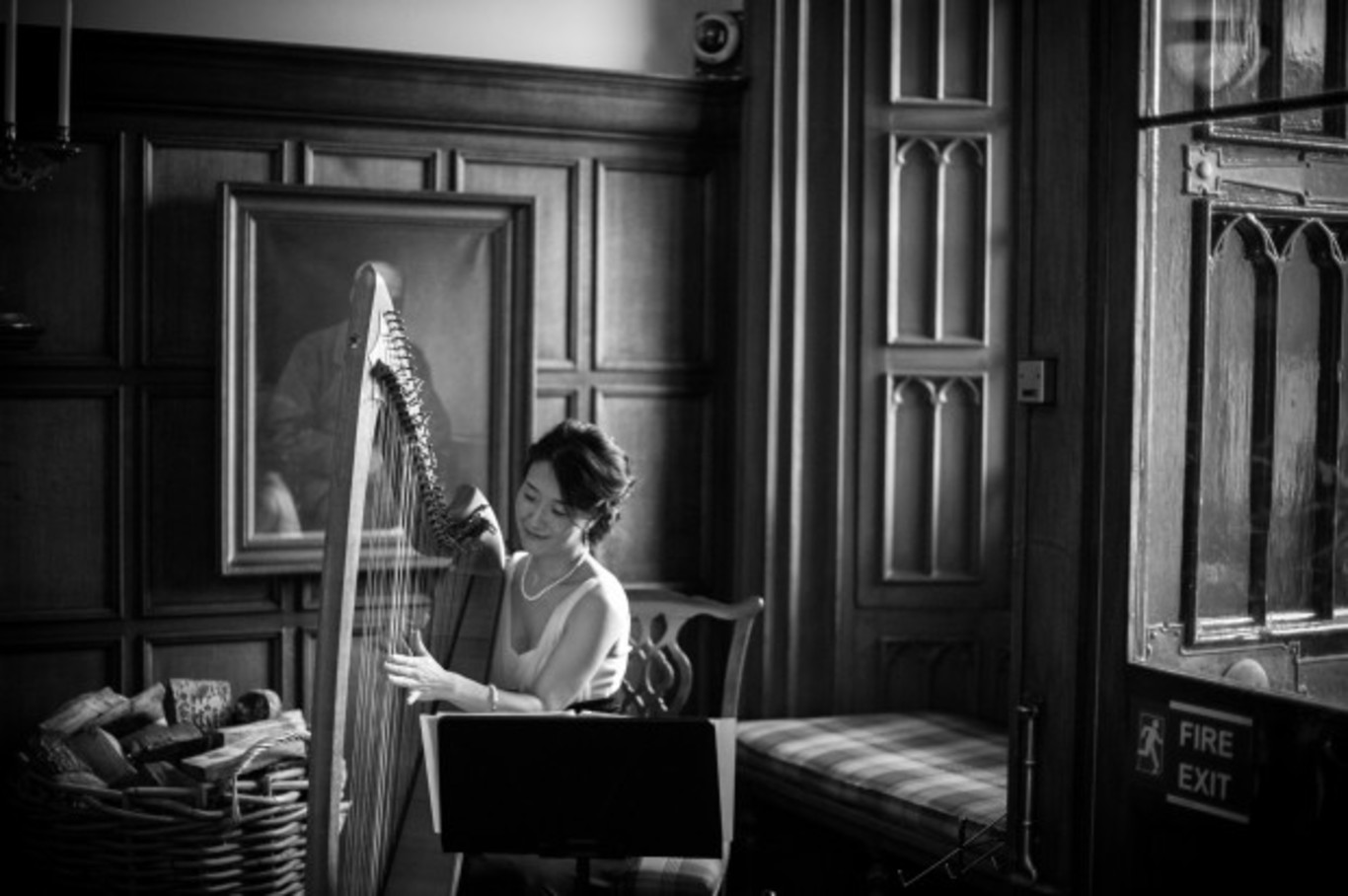
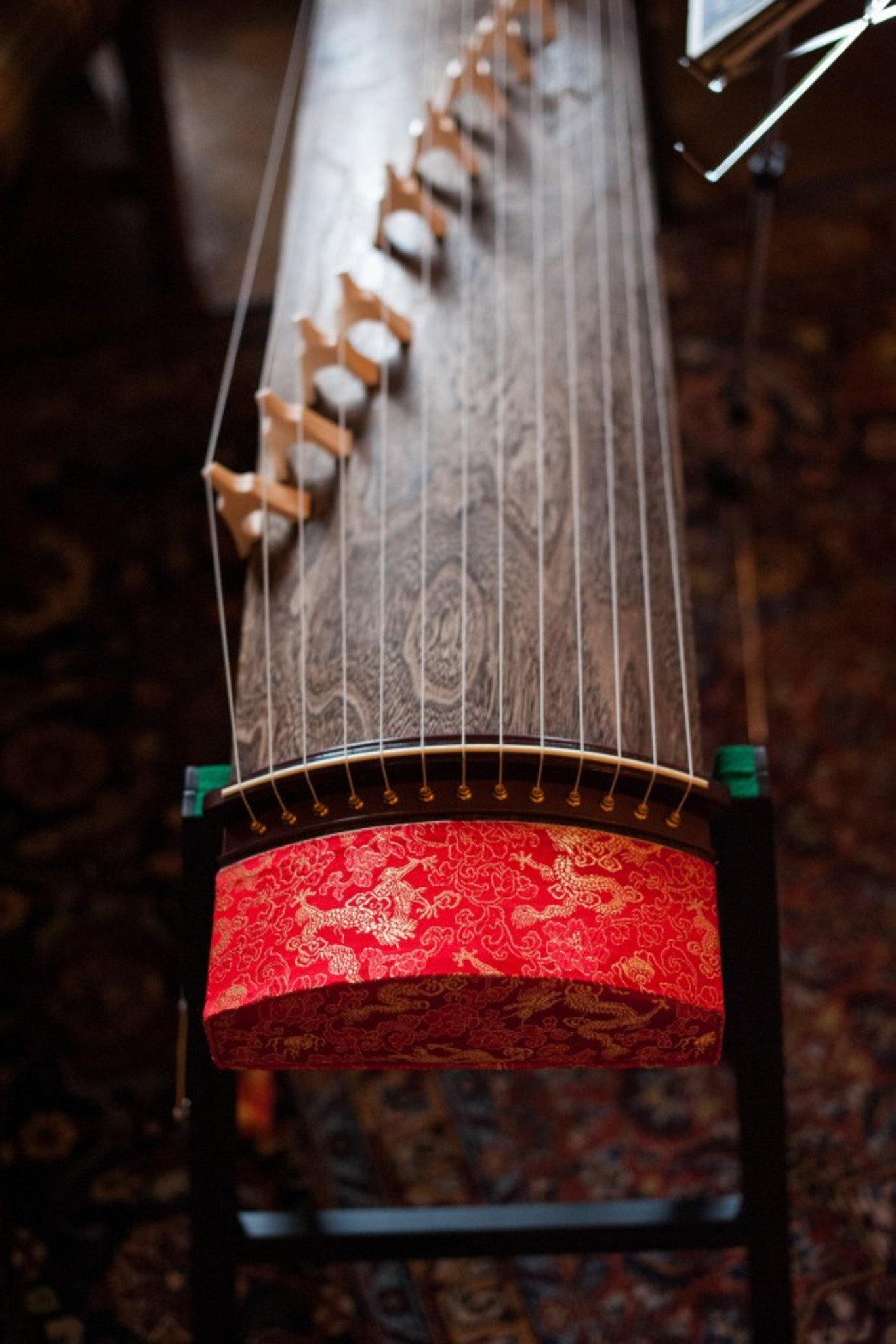
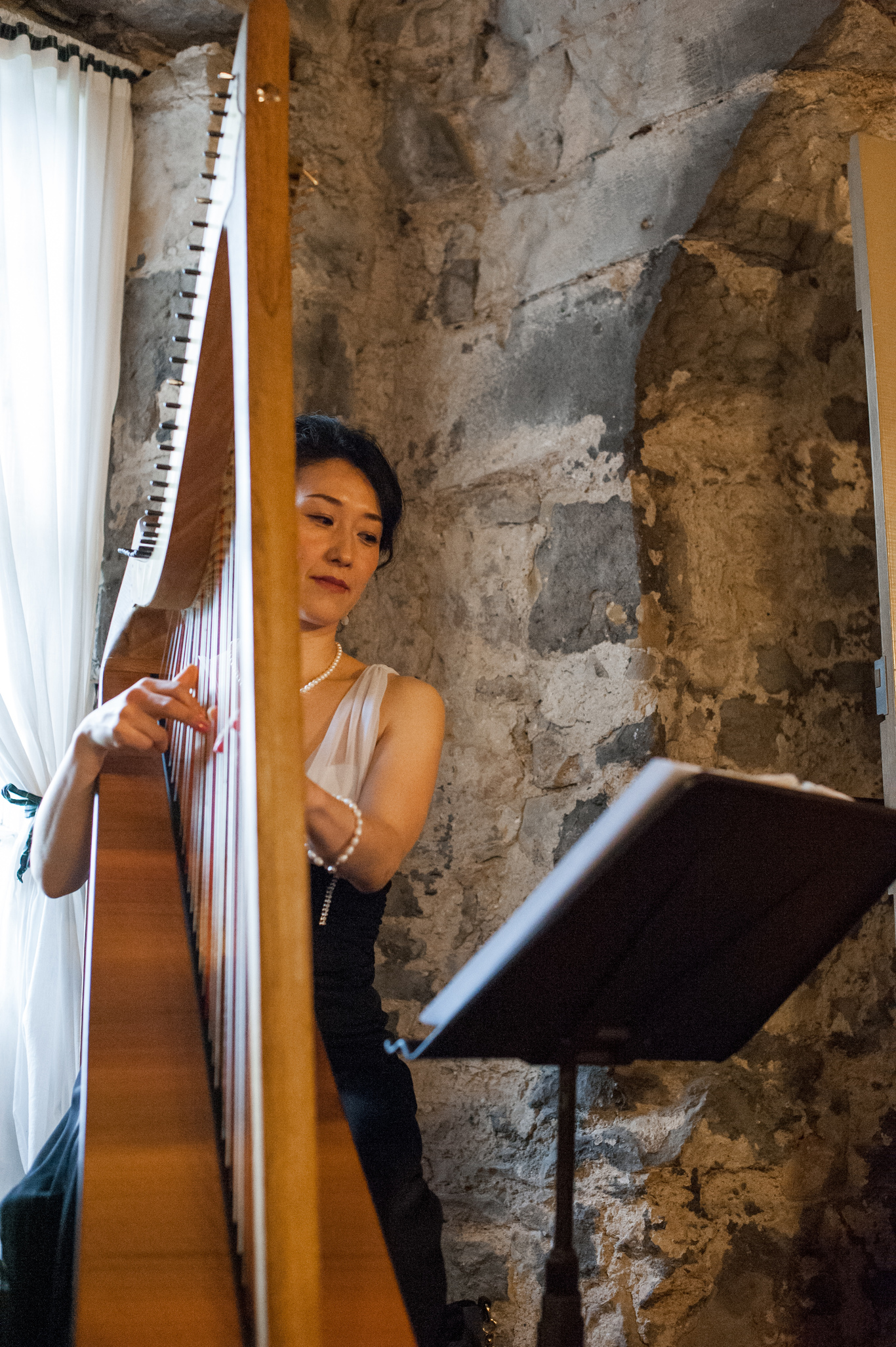
As part of the entertainment for our Scottish wedding mk II, we hired the koto (箏) player & harpist, Mio Shapley. Mio-san provided the music for guests arriving, for my bride walking down the aisle and for post-ceremony refreshments and her music was beautiful!

Koto

Whilst the day itself was a celebration of Scottish-ness I wanted to lace the events with Japanese influences and Mio-san’s performance added to a fantastic atmosphere.

Koto

As well as being a very talented harpist and pianist, Mio-san also performs the tea ceremony for events and indeed the first time I saw her was in 2009 at Japanese cultural day at The University of Edinburgh where she performed the tea ceremony and then later in the evening performed with the koto. More information is available on the Mio Shapley website and if you are planning a wedding (not necessarily with Japanese threads) I heartily recommend that you check out the site.

Koto

Photos by the wonderful Karolina Kotkiewicz .

B’z on Bagpipes? part 2

Blog: Bushido Dreams
Categories: 1-minute read
Tags:

No, really! B’z on bagpipes! Courtesy of my friend Makoto Kaneko who isn’t just a very skilled piper (played at our wedding) but also a champion highland dancer (danced at our wedding).
Makoto has a 5 track CD called ‘Bagpipe The Be Wee Pleasure – B’z Tribute’ and this is track 3.

You can find Makoto on invidio.us .


あっぽろけ – Exploring Tosa-ben 1

Blog: Bushido Dreams
Categories: 2-minute read
Tags:

Following on from Tosa-ben Card Game (龍馬・土佐弁かるた) I thought it may be interesting for some people if I were to do a series of short posts relating to the vocabulary that I learn from the game.

Even if not, I’m learning that maintaining a Gaelic blog is helping me learn the language so hopefully this will help me with Tosa-ben.

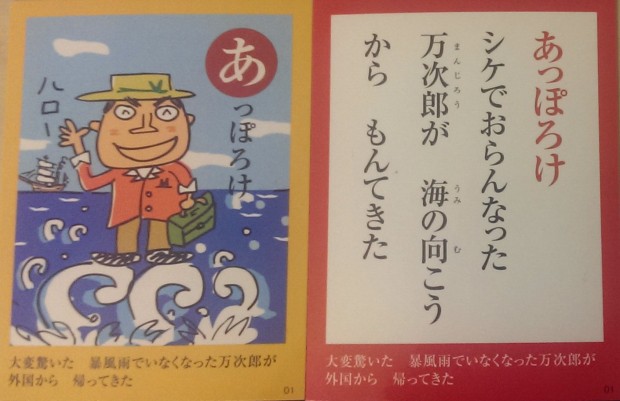
First up is あっぽろけ which is pronounced apporoke**, the meaning is ‘to be surprised’ though the card game uses it to mean ‘very surprised’ as their common Japanese equivalent is 大変驚いた (たいへんおどろいたtaihen odoroita).

** the っ signifies a short pause in the pronunciation generally protrayed in English for pronunciation purposes as a double consonant.

The example sentence on the card is:

あっぽろけ シケでおらんなった万次郎が 海の向こうから もんてきた

あっぽろけ シケおらんなった__まんじろう__が __うみ__の__む__こうから もんてきた

apporoke shike orannatta manjirou ga umi no mukou kara montekita

共通語:大変驚いた 暴風雨でいなくなった万次郎が 外国から 帰ってきた

__たいへんおどろ__いた __ぼうふうう__でいなくなた__まんじろう__が __がいこく__から __かえ__ってきた

taihen odoroita boufuuu de inakunatta manjirou ga gaikoku kara kaettekita

Now for the part of the post which is likely to go through various transformations as I’m corrected by my はちきん (hachikin) wife or family and friends from Kochi!

English : (John) Manjiro was very surprised that the storm had disappeared when he returned from overseas.

Regardless of whether that is an accurate translation into English or not I’m curious as to which of the other components of the Tosa-ben sentence are actually Tosa-ben and which are just common slang.

  • おらんなった would appear to be Tosa-ben as おらん means ‘doesn’t exist’ or ‘isn’t there’ hence why I translated おらんなった as ‘had disappeared’.
  • シケ comes up on google translate as ‘storm’ so it’s clearly not Tosa-ben.
  • 海の向こう seems to be pretty standard Japanese but possibly in a form more commonly used in Kochi than 外国? It certainly is closer to ‘overseas’ and more pleasing than 外国’s literal translation as ‘outside country’, more commonly ‘foreign country’ or ‘abroad’.
  • もんてきた feels Tosa-ben-like (土佐弁ぽい) and after a wee internet search I found it on this list of Tosa-ben words so that’ll be a tick.