Tha mi ag iarraidh uisge-beatha – Lesson 2

Blog: Kilted Scot
Categories: 5-minute read
Tags:

Week 2 set off at a ferocious pace with another couple of people joining the class! One elderly gent (84 years old next week) joined us after having already completed several of the courses and even corrected the tutor at one point, who he seems to know well. Mental note: don’t try and correct the tutor.

This week started with a little bit of revision of week 1, with the emphasis on little! However, the majority of the class had been practicing and had completed the revision exercises for homework so we were deiseil (ready) to crack on. Crack on we did!

We began with a review of personal pronouns, their stressed forms and pronunciations and practiced many variations. Examples:

Standard Stressed English
tha mi tha mise I am
tha thu tha thusa you are
tha sinn tha sinne we are
tha iad tha iadsan they are

The stressed option is basically emphasising the subject, so in English it would be the difference between “they are” and “THEY are”, if that makes sense in such a small phrase? A better, fuller example would perhaps be:

Alec: Ciamar a tha thu? (How are you?)

Nicola: Tha mi gu math, tapadh leat. Ciamar a tha thusa? (I am well, thank you. How are YOU?)

OK, not necessarily a better example but I’m sure you get the picture!

We then swiftly moved on to numbers 1-10 and the Gaelic for page, which is duilleag.

Gàidhlig English
aon one
dhà two
tri three
ceihir four
còig five
sia six
seachd seven
ochd eight
naoi nine
deich ten

Then things got a little bit complex. We learned about possession, as in “I have” and that it doesn’t exist as a direct translation into Gaelic. Hold on, what? This is potentially linked to religious influence on the language according to our tutor. So instead of saying “I have a car” you are basically saying “a car exists at me”, there are some slight similarities there between Gaelic and Japanese but you have to really want to see them!

To complicate matters prepositions and pronouns are not permitted to co-exist in Gaelic, presumably as they were created by the devil, and so are instead combined. So “at me” which would be aig mi becomes agam and “at you” which would be aig thu becomes agat. Again, combining words has a distinctly Japanese ring to it.

So by way of an example:

Gàidhlig English
tha cù agam I have a dog
tha cù agad you have a dog
tha cù againn we have a dog
tha cù aca they have a dog

A far more in-depth explanation on the topic can be found in the article ‘Possessives and syllabic structure or Ar n-Athair a tha air nèamh‘ on the Akerbeltz wiki site .

Next up we learned Dè tha thu a’ dèanamh? (What are you doing?) as well as the grammar and some related vocabulary for the verbs ag òl (to drink) and ag ithe (to eat).

To say “I am eating bread” is tha mi ag ithe aran and to say “I’m drinking whisky” is tha mi ag òl uisge-beatha and now I’ve learned about 50% of the language I need to live as a hermit on the islands in the unlikely scenario that I outlive my wife!

These sentences can be combined and improved with the following words agus (and), le (with) and gun (without). So utilising them all, we can say tha mi ag ithe aran le ìm agus ag òl uisge-beatha gun uisge which means “I am eating bread and butter as well as drinking whisky without water”.. though a little water does enhance some whiskies in all fairness.. I don’t now how to say ice in Gaelic yet but take it as written that if I utter a similar sentence the ice will ALWAYS be preceded by gun!

Gàidhlig English
tha mi ag ithe iasg I am eating fish
a bheil thu ag ithe buntata? Are you eating potato?
tha e ag òl fion-dearg he is drinking red wine
a bheil ise ag òl bainne? is she drinking milk?

Lastly, we covered the verb ag iarraidh which is equivalent to “wanting” and is used for ordering, it apparently doesn’t translate exactly to “I would like” but is more “I am wanting” which may come over as somewhat rude in English but is perfectly acceptable in Gaelic. This of course completes my never-going-to-happen hermit life-style Gaelic necessity, with the ability to now order my whisky, bread and butter.

Gàidhlig English
dè tha thu ag iarraidh? What would you like?
tha mi ag iarraidh uisge-beatha I would like whisky
drama uisge-beatha? a dram of whisky?
botul. tha mi aonaran a bottle. I’m a hermit.

As always there was some gentle, though in this case not uplifting, respite from the intensity of the class with our weekly song. After singing last week’s song An Tèid Thu Leam A Mhàiri, which was about a man hopelessly trying to get Màiri to move away with him, we moved on to Gràdh Geal Mo Chridh’ which is a tale about a hopelessly (yep, again) sad woman who is mourning the loss of her relationship after her partner left her. I have one word for this song and it is depressing, also way too slow to sing along to.

Also, the first three lines of the chorus which we had to sing have literally no meaning.. they are the equivalent of la la la.


The Origins of Gaelic

Blog: Kilted Scot
Categories: 2-minute read
Tags:

Along with the coursework for this session and a wee pronunciation guide we were provided with a short story of ‘The Origins of Gaelic’ which I thought was quite interesting and worth sharing (verbatim).

The Origins of Gaelic

This Celtic language was first brought to this country by Irish settlers known as Gaels. By 500 AD they had established their Kingdom of Dàl Riada, centred on what is now Argyll in south-west Scotland. In Gaelic Arra (Earra) Ghàidheal is “the coastland of the Gael”.

These early settlers were known to the Romans as Scotti. Gradually, it became a distinct language and continued to expand in the north and west.

With the 18th century and the Jacobite rebellions came an effort to suppress Highland culture – music and language. The Highland Clearances dealt us a further blow. This suppression continued into the 20th century.

Current Day

Times have changed – we now are determined to fight for the survival of our language. We are proud of our Celtic identity.

“Ultimately, the use of Gaelic is not just a Scottish issue. It is an issue of human dignity, of belonging, and of justice” From the petition sent to the British Government in 1997 entitled “Secure Status for Gaelic”.

Gaelic as a living language is now largely confined to north-western and island communities. There are although sizeable communities to be found in the cities.

Short and sweet! I too am concerned about the survival of this language and intend to do what I can in order to stave off its extinction.

The featured image at the top of the page is courtesy of the always excellent Bella Caledonia website and specifically this article by Daibhidh Rothach from whence I took the following quotation:

When a languages dies, it is gone forever, only the whistle of the wind through grass, the gurgle of the moor burn at night, left to answer its ghost. While the tongues of the Pirahã and Cherokee are of equal value in the mesmerising tapestry of world culture and language, only Scotland can save Gaelic.


Àirigh – Notes on Lesson 1

Blog: Kilted Scot
Categories: 6-minute read
Tags:

The inaugural class of Autumn 2014’s the OLL (Office of Lifelong Learning) Gaelic 1.1 course wasn’t just a matter of repeating “parrot-like” set phrases, grammar points and vocabulary. Our tutor also gave us some interesting side notes and information about the Gaelic speaking communities, history of certain words and various other interesting snippets to keep us entertained.

We learned about àirigh which is Gaelic for sheiling (bothy) which is a one build small house, normally just one room without modern conveniences such as toilets. During Summer the cattle would move for better grazing and the crofters would follow with their families and where the cattle stopped was where the àirigh would be. Families would spend about 6 or 7 weeks during the Summer in their sheilings, often without properly washing, which was great for kids.. not so good for teenagers. Nowadays the bothies can often be found a few miles away from Stornoway and in some cases they’ve turned into drinking dens for tho who have been banned from the Island’s few pubs!

Though not so interesting but certainly vital to learning the language, we were taught that the structure of Gaelic is Verb Subject Object (VSO), whereas English is Subject Verb Object (SVO) and Japanese is Subject Object Verb (SOV).. I couldn’t pick a language that shares a structure with one I already know, could I?

Feasgar (afternoon/evening) is masculine, Oidhche (night) is female.. this distinction affects the word math (good) in the common greetings Feasgar Math and Oidhche Mhath with the female form aspirating the adjective.

Gaelic is full of words that don’t exist, for example the name Mhàiri doesn’t “traditionally” exist in Gaelic. The name Mhàiri is the aspirated version of the original name Màiri. Aspiration or lenition is difficult to explain so I’ll leave you in the capable (and ALWAYS accurate) wikipedia for this one:

Grammatical lenition

In the Celtic languages, the phenomenon of intervocalic lenition historically extended across word boundaries. This explains the rise of grammaticalised initial consonant mutations in modern Celtic languages through the loss of endings. A Scottish Gaelic example would be the lack of lenition in am fear /əm fɛr/ (“the man”) and lenition in a’ bhean /ə vɛn/ (“the woman”). The following examples show the development of a phrase coning of a definite article plus a masculine noun (taking the ending –os) compared with a feminine noun taking the ending –a. The historic development of lenition in the two cases can be reconstructed as follows:

Proto-Celtic *(s)indos wiros IPA: [wiɾos] → Old Irish ind fer [feɾ] → Middle Irish in fer [feɾ] → Clascal Gaelic an fear [feɾ] → Modern Gaelic am fear [fɛɾ]

Proto-Celtic *(s)indā be IPA: [venaː] → Old Irish ind ben [ven] → Middle Irish in ben [ven] → Clascal Gaelic an bhean [ven] → Modern Gaelic a’ bhean [vɛn]

Synchronic lenition in Scottish Gaelic affects almost all consonants (except /l̪ˠ/ which has lo its lenited counterpart). Changes such as /n̪ˠ/ to /n/ involve the loss of secondary articulation; in addition, /rˠ/ → /ɾ/ involves the reduction of a trill to a tap. The spirantization of Gaelic nal /m/ to /v/ is unusual among forms of lenition, but is triggered by the same environment as more prototypical lenition. (It may also leave a residue of nasalization in adjacent vowels. The orthography shows this by inserting an h (except after l n r):

Spirantization
/p/→ /v/bog /pok/ “soft” → glé bhog /kleː vok/ “very soft”
/pj/→ /vj/ (before a back vowel)beò /pjɔː/ ‘alive’ → glé bheò /kleː vjɔː/ ‘very alive’
/kʰ/→ /x/cas /kʰas̪/ “eep” → glé chas /kleː xas̪/ “very eep”
/kʰʲ/→ /ç/ciùin /kʰʲuːɲ/ “quiet” → glé chiùin /kleː çuːɲ/ “very quiet”
/t̪/→ /ɣ/dubh /t̪uh/ “black” → glé dhubh /kleː ɣuh/ “very black”
/tʲ/→ /ʝ/deiil /tʲeʃal/ “ready” → glé dheiil /kleː ʝeʃal/ “very ready”
/k/→ /ɣ/garbh /kaɾav/ “rough” → glé gharbh /kleː ɣaɾav/ “very rough”
/kʲ/→ /ʝ/geur /kʲiaɾ/ “sharp” → glé gheur /kleː ʝiaɾ/ “very sharp”
/m/→ /v/maol /mɯːl̪ˠ/ “bald” → glé mhaol /kleː vɯːl̪ˠ/ “very bald”
/mj/→ /vj/ (before a back vowel)meallta /mjaul̪ˠt̪ə/ “deceitful” → glé mheallta /kleː vjaul̪ˠt̪ə/ “very deceitful”
/pʰ/→ /f/pongail /pʰɔŋɡal/ “exact” → glé phongail /kleː fɔŋɡal/ “very exact”
/pʰj/→ /fj/ (before a back vowel)peallagach /pʰjal̪ˠakəx/ “shaggy” → glé pheallagach /kleː fjal̪ˠakəx/ “very shaggy”
Loss of condary articulation
/n̪ˠ/→ /n/nàdarra /n̪ˠaːt̪ərˠə/ “natural” → glé nàdarra /kleː naːt̪ərˠə/ “very natural”
/rˠ/→ /ɾ/rag /rˠak/ “iff” → glé rag /kleː ɾak/ “very iff”
Debuccalization
/s̪/→ /h/sona /s̪ɔnə/ “happy” → glé shona /kleː hɔnə/ “very happy”
/ʃ/→ /h/asmhach /ʃes̪vəx/ “conant” → glé sheasmhach /kleː hes̪vəx/ “very conant”
/ʃ/→ /hj/ (before a back vowel)òlta /ʃɔːl̪ˠt̪ə/ “y” → glé sheòlta /kleː hjɔːl̪ˠt̪ə/ “very y”
/t̪ʰ/→ /h/tana /t̪ʰanə/ “thin” → glé thana /kleː hanə/ “very thin”
/tʰʲ/→ /h/tinn /tʲiːɲ/ “ill” → glé thinn /kleː hiːɲ/ “very ill”
/tʰʲ/→ /hj/ (before a back vowel)teann /tʰʲaun̪ˠ/ “tight” → glé theann /kleː hjaun̪ˠ/ “very tight”
Elion
/f/→ Øfann /faun̪ˠ/ “faint” → glé fhann /kleː aun̪ˠ/ “very faint”
/fj/→ /j/ (before a back vowel)feòrachail /fjɔːɾəxal/ “inquitive” → glé fheòrachail /kleː jɔːɾəxal/ “very inquitive”
Reduction of place markedness
In the modern Goidelic languages, grammatical lenition also triggers the reduction of markedness in the place of articulation of coronal sonorants (l, r, and n sounds). In Scottish Gaelic, /n/ and /l/ are the weak counterparts of palatal /ɲ/ and /ʎ/.
/ɲ/→ /n/neulach /ɲial̪ˠəx/ “cloudy” → glé neulach /kleː nial̪ˠəx/ “very cloudy”
/ʎ/→ /l/leisg /ʎeʃkʲ/ “lazy” → glé leisg /kleː leʃkʲ/ “very lazy”

Finally, we found out that Western Isles ladies are very forward (sweeping generalisation and obviously not true.. though it does tie in with my experience of Western Isles student nurses whilst working in a certain Irish bar in Aberdeen!). The following is a converation in full which we practiced in class and translated for “homework” in our own time:

Màiri

Halò. Is mi Màiri, cò thu? (Hello, I am Mairi, who are you?)

Pàdruig

Is mi Pàdruig. (I am Patrick.)

Ciamar a tha thu? (How are you?)

Màiri

Tha mi gu math, tapadh leat. (I am well, thank you.)

Ciamar a tha thu fhèin? (How are you, yourself?)

Pàdruig

Tha mi sgìth. (I am tired.)

A bheil thu sgìth? (Are you tired?)

Màiri

Chan eil. (I’m not.)

Cò às a tha thu? (Where are you from?)

Pàdruig

Tha mi as Na Stàitean. (I’m from The States (United of America fame).)

Cò às a tha thu fhèin? (Where are you from, yourself?)

Màiri

Tha mi à Alba. (I am from Scotland.)

A bheil thu pòsda? (Are you married?)

Pàdruig

Chan eil. (I’m not.)

A bheil thu pòsda? (Are YOU married?)

Màiri

Chan eil. (I’m not.)

Hey you, what’s your name? where are you from? oh, you’re tired, I e, ARE YOU MARRIED?


Feasgar math - Lesson 1

Blog: Kilted Scot
Categories: 3-minute read
Tags:

Good afternoon\evening! If you are reading this at any other time period of the day then the sentiment persists, I just haven’t learned how to say any other greetings in Gaelic yet.

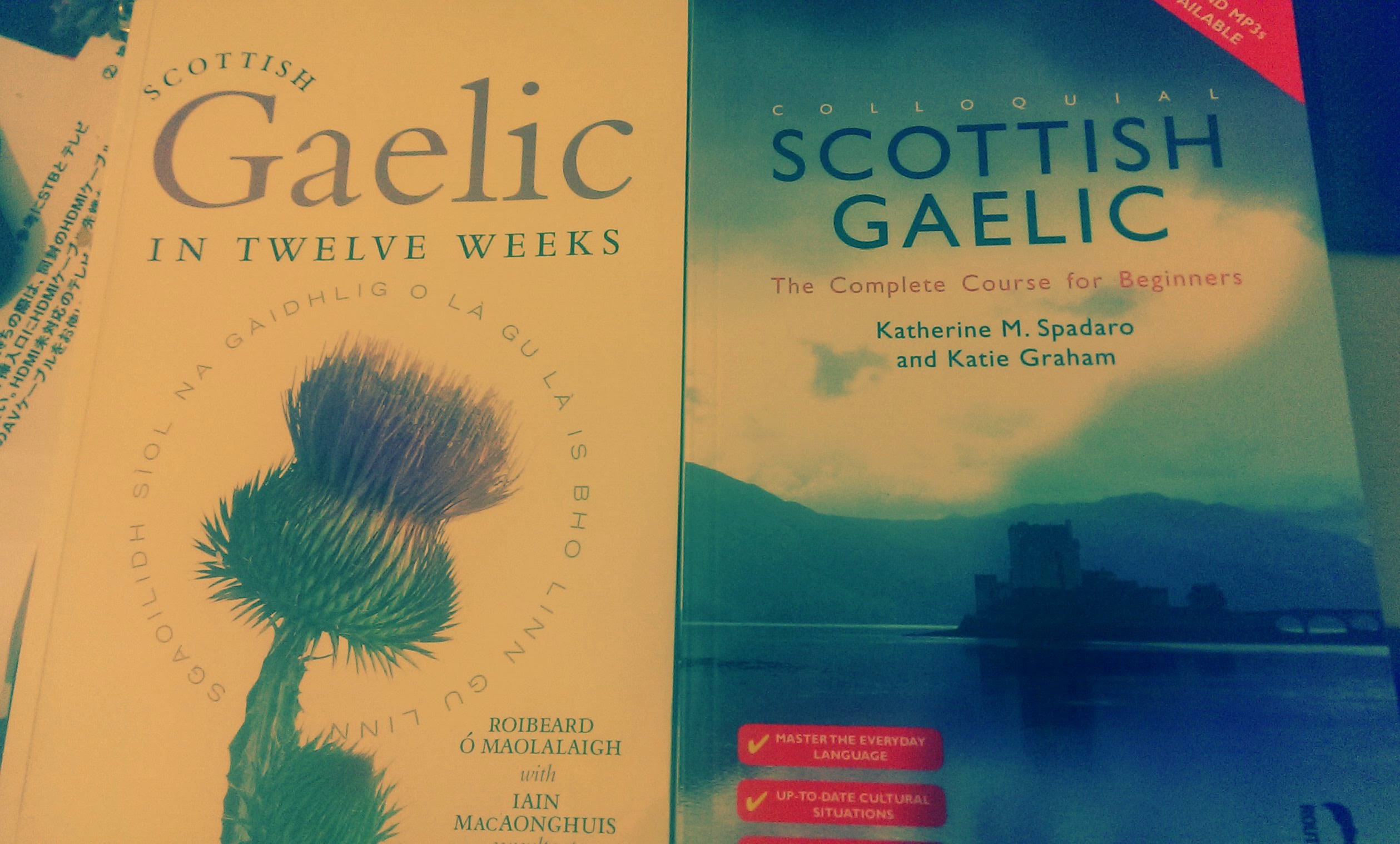
This post, like all subsequent posts, exists in order to document my progress in learning Scottish Gaelic or Gàidhlig from absolute beginner level.

I have signed up for lessons via the Office of Lifelong Learning at The University of Edinburgh and recently attended my first class.

The class size is pretty reasonable at 15 fellow students and the teacher is a native of the Western Island of Lewis. We were advised that the dialect we’ll be picking up as the weeks continue will be the Lewis dialect but hopefully we’ll be understandable elsewhere too.

My initial impressions of the course are all positive, even considering we have to sing a different Gaelic song each week! At this stage of the process I am a very eager and engaged student.. I hope this feeling continues.

It would obviously be entirely unfair for me to share the entire contents of the course as this may convince potential students that they need not attend any classes. Beware however, even at this early stage it seems that Gaelic is not pronounced in any way that resembles the way that the words are written.

Point of example: tinn which means sick/unwell sounds a bit like choing when said aloud. I may occasionally refer to the International Phonetic Alphabet when trying to explain pronunciation, this is not one of those times.

Some of the phrases which we learned are listed below:

Gàidhlig English
Feasgar math Good Evening/Afternoon
Cò thusa? Who are you?
Is mise … I am …
Ciamar a tha thu? How are you?
Tha mi fuar I am cold
Cò às a tha thu? Where are you from?
Tha mi a Alba I am from Scotland
Tapadh leat Thank you
Oidhche mhath Good Night

We learned more vocabulary than this and also our revision/homework contains other pronouns such as he, she, we, they etc.

One of the many things I learned was that I (and I presume many other folk) have long been pronouncing Alba (Scotland) incorrectly. It is pronounced as if there is a wee half ‘a’ in between the ‘l’ and ‘b’. This also impacts the pronunciation of Albanach (Scottish) which I’ve also been mispronouncing as the last 3 letters are pronounced ‘och’ in Gaelic, or at least in Lewis dialect.

We also had a few goes at the following Gaelic song, where we sang along with the chorus. It wasn’t as bad as we all thought, but probably not as good as the kids in the video sang it.


Tosa-ben card game (龍馬・土佐弁かるた)

Blog: Bushido Dreams
Categories: 4-minute read
Tags:
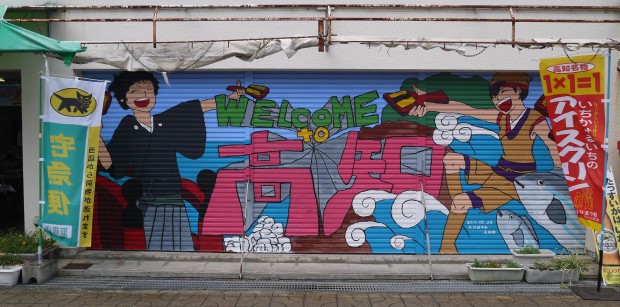
Welcome to Kōchi

I consider myself very fortunate to be married to a hachikin (はちきん), a strong (mentally, physically, emotionally, alcohol-ly) woman from Kōchi prefecture in Shikoku. Not least of all because our relationship has introduced me to breathtaking Kōchi countryside, the exceptionally accepting and very friendly people of the prefecture, a couple of ancient drinking games and a famous samurai about whom I have learned much and have much more to learn.

Moreover, one of the unexpected bonuses of our relationship was (and still is) the introduction to Tosa-ben (土佐弁), or the Tosa dialect. Tosa is the ancient name for the province of Shikoku that is now modern day Kōchi prefecture. Despite being very lacklustre in my attempts to speak and/or learn standard Japanese, I was surprised to discover that I find Tosa-ben fascinating, infinitely more so than textbook nihongo.

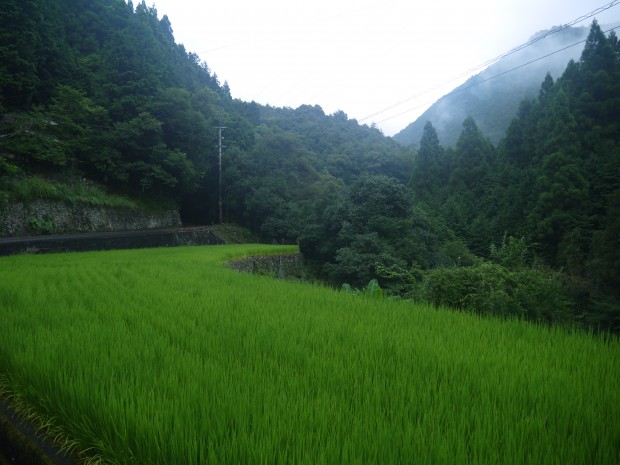
Rural Kōchi

There is something about speaking a Japanese dialect that is a good leveller, though not suitable for many situations the ‘bens’ are affected versions of casual Japanese and so speaking to someone in Tosa-ben or any dialect brings everybody down or up to the same level. As a non-native Japanese speaker stumbler, I’ve long struggled with applying the relevant level of politeness to my specific environs and generally resultantly cobbled together a hotch-potch of casual form, polite form and uncustomary stuttering when I communicate.

So I find the idea of speaking in a dialect which is bound to casual form as a very refreshing, attractive prospect. It also helps greatly that my in-laws all speak largely in Tosa-ben so this enables me to pick up vocabulary relatively quickly and (with the help of alcohol) to communicate with them in an acceptable manner.

Unfortunately, like most language related knowledge or memory, if you don’t use it you lose it and I’ve already forgotten about half of the Tosa-ben that I’ve picked up on my few visits to Kōchi. Therefore, this blog post, which will hopefully run into a series, is multi-functional: it allows me to share some fascinating non-standard Japanese with you; it enables me to study and learn more Tosa-ben and it also allows you to correct me! I’m sure I’ll get a lot of Tosa-ben speakers who are also fluent in English reading this blog.. ..

By way of a disclaimer, as I’ve hinted at above, my standard Japanese is pretty poor and I’m a beginner in the ways of Tosa-ben.. so this series of posts probably shouldn’t be relied on as a serious study resource.

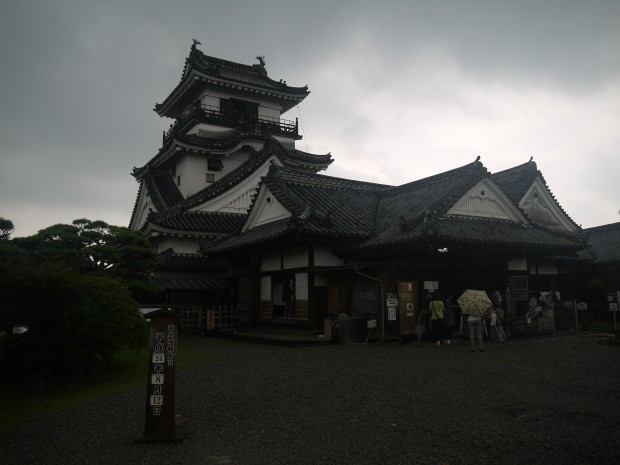
Kōchi Castle.. not relevant but I like castles.

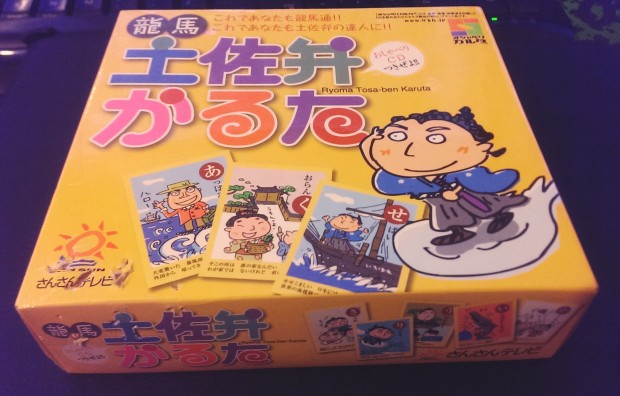
Before we get on to mentioning any Tosa-ben however, a wee story. On my first visit to meet the in-laws in Kōchi we visited a lot of family friends and extended family. lot’s of people were eager to meet me and to gauge my opinion of their hometown etc. One of the visits was to Mr Tequila‘s mother, who was a lovely lady who promptly provided us with tea on our arrival. After finding out that I was interested in learning more Tosa-ben she presented me with a gift! 「龍馬・土佐弁かるた」- a card game called Ryōma Tosa-ben karuta (no idea what the last word means). Sakamoto Ryōma is a very famous and very influential samurai in the intricate weave of Japan’s history.

The card game consists of a CD and 2 sets of 45 cards, reading cards (読む札) and pickup cards (取り札). The reading cards have a phrase incorporating a highlighted Tosa-ben word as well as a stanard Japanese alternative for the phrase. The pickup cards have a picture and the same Tosa-ben word, with the first character highlighted, as well as having the standard Japanese phrase. The CD has each of the Tosa-ben phrases orated, presumably. So how do you play the game I sense you internally querying.. I haven’t the slightest idea!

When I’ve asked my hachikin how its played I’ve been told its really easy, you match one card with the other.. That certainly sounds easy but for someone who hasn’t ever played the game before it isn’t a particularly thorough description.

Ryōma Tosa-ben karuta(?)

So for over two years I’ve sat with this much appreciated gift that I haven’t been able to play with even once. Then just last night when I was positioning the box for a photograph, I discovered that the instructions are printed on the side of the box. Here they are in full.

「龍馬・土佐弁かるた」は、高知の方言を読み上げて札を取る遊び方ですが、共通語を読み上げ、それを高知の方言に置き換えて(推理して)札を取る遊び方もできます。

読み札には、土佐弁(あいうえお側順)と共通語の2通りの文章を記載しています。読み手は、どちらか一方の文章を読み上げます。

取り札には、土佐弁の見出し文学とイラストを記載していますので、いずれかをヒントにしてすばやく取り札を取ります。

付属の読み手CDをランダム(シャッフル)再生機能付きCDプレーヤーで再生すれば、読み手がいなくても「龍馬・土佐弁かるた」を楽しめます。お好みで読み札と読み手CDを使い分かけて遊べます。

「龍馬・土佐弁かるた」にはかつて耳にしてきた土佐弁と異なる表現があるかもしれません。方言は、地域・時代・世代などによって使い方が変化するものであることを、あらかじめご了承ください。

Now all that remains is for me to translate this in the hope that they are a little less vague than my previous instructions.

I’ll delve a bit more into examples of Tosa-ben in subsequent posts but I’ll leave you with a small selection of simple Tosa-ben terms.

Tosa-ben Standard Japanese English
こじゃんと
kojanto
とても\すごくたくさん
totemo\sugoku takusan
very
a LOT

ba
くらい
kurai
roughly
approximately
ようせん
yōsen
できない
dekinai
can’t
unable to
ちや
chi ya
だよ
da yo
!
(used for emphasis)
おまさん
omasan
あなた
anata
you
(used by older folks)

Why Study Gaelic?

Blog: Kilted Scot
Categories: 4-minute read
Tags:

Halò, is mise J K! (Hello, I’m J K)

At the time of this site’s creation I’m a 37 year old Scotsman of Gaelic heritage. I know this as last year I did a DNA test with Scotland’s DNA and the response was that my DNA contains the “quintessential Celtic marker”. Apparently my paternal line hails from Leinster in Ireland and I’m potentially directly descended from the ancient Kings of Leinster.

Extract from my YDNA marker report.

Your marker of S145, the identifier of the Hibernians, is found all over Britain and Ireland, and also along part of the route Pytheas took from Massalia and the Mediterranean. It is present in small but significant numbers in Western France and Spain. One of its most interesting concentrations is in Brittany. Formerly known as Armorica, part of the Roman province of Gaul, this region changed its name to mean “Little Britain”. This happened because of a migration, an exodus from Southern England of Romano-British people who fled the Anglo-Saxon invasions of the 5th and 6th centuries. These were almost certainly aristocrats, landowners and townspeople of means, those with the most to lose and the ability to flee. They brought their marker with them and outside of Britain, S145 is most common in Brittany, Little Britain.

The exiles also brought their languages with them and Breton is related to Cornish and Welsh, the P-Celtic group of languages. Scots and Irish Gaelic and Manx make up the Q-Celtic group, what was spoken by your ancestors, the Hibernians. They are cousin-languages that evolved as dialects and they are closely identified with S145, what might be called the quintessential Celtic marker. In turn they are linked to Galician, a Celtic language that survives, just, in Northern Spain. In antiquity dialects of what is called Celtiberian were spoken all over what is now Spain and Portugal. Archaeology, language and DNA all combine to suggest strongly that the Celtic peoples of Britain and Ireland approached from the south, from Iberia. You belong to a specifically Irish sub-group of S145, and it is S169. It appears to concentrate in Leinster and it occurs frequently in men with the surnames of Byrne and Kavanagh. Murphys also often carry this sub-type. And there is a link with royalty. Some carriers appear to be descended from the medieval kings of Leinster, the men once known as the Chiefs of the Lagin. Their warbands crossed the Irish Sea after the fall of the Roman province of Britannia in the 5th century and left their name on the Lleyn Peninsula of North Wales.

The early medieval kings of Leinster gained notoriety because they invited the Normans into Ireland. Dermot MacMurrough lost his throne and in order to regain it, he promised the succession to Richard de Clare, a Norman earl known as Strongbow. And with typical Norman briskness, he took it. Nevertheless, Dermot has a modern successor; the Prince of Leinster is William Butler MacMurrough Kavanagh. He was born in 1944.

The Hibernians, your people, represent an extraordinary continuity from earliest times.

Though maternal lineage is a little less detailed, it is likely that my maternal line also came to Scotland via Ireland (piecing together the DNA results and what I know about my mum’s family history). So my ancestors were Gaels.. which led me to ask myself, what kind of a Quintessential Celt doesn’t even speak the language of his people?

Whilst living in Japan for an exchange year in 2009-2010 I also presented a short speech differentiating between the sounds of English, Scots and Gaelic and it wasn’t really until I carried out a little research that I realised how much in decline the language is. I can’t stand by and watch the language of my ancestors and one of the languages which so heavily influences Scottish culture vanish from existence. I’ll do what I can to ensure the survival of Gaelic.

As of Thursday 25th of September 2014, I began my journey to learning this language. Though the pace will be relatively slow at first with just one 2 hour evening lesson every week within term time at The University of Edinburgh, it is my intention to one day be fluent in Gaelic.

This blog is intended as a progress journal and something that I can look back on later which may be useful for helping our future children learn Gaelic at a later stage. All and any feedback is appreciated, particularly from Gaelic speakers!

Tapadh leat.. for visiting!


Gaelic Pronunciation Guide

Blog: Kilted Scot
Categories: 14-minute read
Tags:

Pronunciation Guide

Rather than re-invent the wheel, I found the following excellent pronunciation guide online.

Copied from the Cambridge University Hillwalking Club website with thanks to it’s author Mark Jackson (mark3jackson at gmail dot com) who granted permission to reproduce this below.

Let’s get a couple of things straight before we begin. Firstly, it’s pronounced (in English) ‘gal-ick’. Irish Gaelic is pronounced (in English) ‘gay-lik’. The (Scottish) Gaelic name for (Scottish) Gaelic is Gàidhlig, pronounced ‘gaa-lik’, not to be confused with the Irish (Gaelic) name for Irish (Gaelic), which is written Gaeilge and pronounced ‘gail-gyuh’. Both languages are descended from 6th-century Old Irish, and are about as mutually intelligible as Cockney and Glaswegian (i.e. somewhat, if you speak slowly). Welsh is a more distant relation (compare Welsh pen and Gaelic beinn; Welsh moel and Gaelic meall).

Second, Gaelic pronunciation is a lot more complex than Welsh, and I enjoy writing about it, so I’m not going to give you short shrift. This is going to be a long guide.

Some ground rules

  • Gaelic has only eighteen letters in its alphabet, so no J, K, Q, V, W, X, Y or Z.
  • A consonant + H denotes a completely different sound to the same consonant without an H following it.
  • Gaelic has a system of broad vowels (A, O, U) and slender vowels (E, I). It’s a strange feature of Gaelic spelling that a consonant – or bunch of consonants – only ever has broad vowels on both sides, or slender vowels on both sides. So aonach and coire are both valid words, but not aonech or core. After a while, these sorts of words just start to look wrong.
  • When many – but not all – consonants are surrounded by slender vowels (called a slender consonant), they change their sounds to sound as though they have a Y following them. Consonants do exactly the same in English when followed by a U. Thus the initial sounds of the words ceann, dearg are the same as the initial sounds of cure, dune.
  • There is also a distinction that needs to be understood in certain places between back vowels (vowels that sound in the back of the mouth, that is ‘aw’, ‘ur’, ‘oo’, ‘ow’, ‘aa’, ‘o’, ‘u’, ‘a’) and front vowels (everything else).
  • Gaelic words are stressed on the first syllable. There, that was simple. The whole discussion about vowels only applies in stressed (i.e. initial) syllables, because anywhere else in the word, vowels only make a couple of sounds (to be covered later).

Simple vowels

Gaelic uses the grave accent on vowels, so suddenly we have ten to cope with. The use of the accent is consistent though and just signifies a longer version of the vowel.

  • A like in cat, or more accurately, like the first part of the vowel in cow.
  • À is a longer version of the above, as in father.
  • E like a short version of the sound in bay before the Y sets in; like French é.
  • È longer version of the above.
  • I is a short version of the sound in see.
  • Ì as in see.
  • O as in cot usually; but before B, BH, G, GH, M and MH it makes a sound more like the French au in jaune.
  • Ò as is law.
  • U is a short version of the sound in food; like French ou.
  • Ù as in food.

These rules aren’t applicable all the time, but they’re a good starting point.

Broad consonants

(that is, consonants surrounded by broad vowels.)

  • F, L, LL, M, N, NN and S; as in English. Well, I wanted to start you off with the easy ones.
  • H as in English, but only when it’s found in isolation (which isn’t often). When it comes after a consonant, it modifies the sound of the preceding consonant instead of having a sound of its own. See below.
  • P, T and C; as in English, except that in the middle or end of words you should add a very slight ‘kh’ sound before them, almost no more than a little extra breath. (That ‘kh’ is the back of the throat sound as in loch or German Bach. Practise it.) E.g. càrn ‘caarn’, baca ‘ba(kh)-kuh’.
  • B, D and G; as in English only at the beginnings of words. Elsewhere they sound like English P, T and C respectively. E.g. bàn ‘baan’, fada ‘fat-uh’.
  • R and RR; rolled, and never left out. Ever. If you can’t roll your R’s you can approximate a single tap of the roll (which is all most Gaels ever say anyway) by bending your tongue back until the underside of the tongue is touching the roof of your mouth, and then flicking the tongue forward while trying to say an English R. The tongue should catch behind the teeth, producing a sharp tapping sound rather unlike the English R.
  • BH and MH; both pronounced as the English V. For example, mhòr ‘vaur’.
  • CH; as in loch or German Bach. If you can’t make this sound, you might as well give up now, because there’s no surer sign that you’re a Sassenach than being unable to pronounce loch as anything other than ‘lock’.
  • GH and DH; these are to CH as G is to C, i.e. with the mouth and tongue in the same place but with the vocal cords vibrating. (You can tell if your vocal cords are vibrating or not by placing your hand against your throat and seeing if you can feel a buzzing sensation.) It’s a bit like gargling, or sitting on a G for several seconds. E.g. dhorain‘ ghorrin’.
  • FH is silent. E.g. fhuaran ‘uaran’.
  • PH as in English.
  • SH and TH; as the English H. For example, thuilm ‘hoolim’.

Combinations of consonants

Only one rule here: for some reason best known to itself Gaelic inserts a SH sound into the combinations RD and RT. Therefore aird ‘aarsht’.

Slender consonants

As discussed above, in most cases, ‘slenderising’ a consonant just involves sticking a Y after it. Thus slender B is like the BY in English beauty at the beginning of a word, and like the PY in English puke elsewhere. Slender C is just like the CY in English cute, slender SH is like the HY in hew, slender L is like the LY in million and slender BH is just like the VY in English view. This process is also done to R and NG although their modified forms aren’t found in English. E.g. cìr ‘kyeery’.

The difficulty for English speakers is ending a word with this kind of slenderised sound. For example, cìr above only has one syllable, and it ends with what sounds like an R and a Y run quickly together. Writing out the pronunciations for these things isn’t easy either!

Of course, there are a lot of exceptions.

  • Slender S is pronounced as the English SH. E.g. clais ‘clash’.
  • Slender CH is pronounced like the German ich; that is to say, rather like an H and a Y run together and said with more force. E.g. lapaich ‘la(kh)-piçh’.
  • Slender GH and DH are a voiced version of the above, i.e. as above, but with the vocal cords vibrating. It can sound rather like a severely overdone Y. E.g. dhearg ‘yyerrak’.
  • The consonants B, BH, M, MH, F, FH, P, PH, SH and TH only slenderise before a back vowel (see the Ground Rules section). E.g. bealach ‘byal-uhkh’ and meall ‘myowl’, but beag ‘behk’ (not ‘byehk’), caibe ‘kap-uh’ (not ‘kap-yuh’) and tìm ‘teem’ (not ‘teemy’).
  • L only slenderises at the beginning of a word. E.g. leum ‘lyehm’ but cuilean ‘ku-luhn’
  • N only slenderises initially or after a back vowel. E.g. nead ‘nyet’ and duine ‘duwn-yuh’, but teine ‘tyen-uh’.
  • R slenderises everywhere except at the beginning of a word. Honestly, who makes these things up? So we haverèidh ‘ray’ but bhuiridh ‘vui-ryee’.
  • LL, NN and RR slenderise as expected, you will be glad to hear.

Finally, ever hear the English word tune pronounced ‘tchoon’ rather than ‘tyoon’? This is a common trend, and the same is happening in Gaelic. Thus it’s fine to pronounce teallach ‘tchal-uhkh’ rather than ‘tyal-uhkh’, and of course it means the word nid comes out as ‘nyitch’ (because the D is pronounced as a T because it’s not at the start, but it’s also slender, so it becomes TY which then becomes TCH…)

Enjoying yourself? Just wait till we meet the vowels…

Combinations of vowels

The trick with this stuff is knowing which vowels are actually supposed to be sounded, and which have been inserted to mark the surrounding consonants as broad or slender. Also, Gaelic vowels have a habit of changing before certain consonants, much as the A’s in the English words ”half”, ”hand”, ”hall”, ”halt” and ”hallow” are all pronounced differently. Just be grateful you aren’t having to learn as many rules as a learner of English!

  • As a general rule, an I following a vowel does not change its pronunciation, thus AI, EI and ÒI are pronounced the same as A, E and Ò respectively. E.g. caisteal ‘kash-tchuhl’ and coire ‘corruh’.
  • AO is a new vowel, and we all love those. It’s like the OO sound in English ”food”, but with the lips unrounded, and sounded further back in the throat. To some, it sounds like a cross between that OO sound and the UR sound in burn. E.g. aonach ‘uw-nuhkh’.
  • EA this combination sounds just like a Gaelic E before the letters D, G and S. Elsewhere, it mostly has the sound of the English E in ”bed”, e.g. beag ‘behk’ but geal ‘gyel’.
  • EO and sound just like the Gaelic O and Ò, except that a Y sound is added before them when they come at the start of a word. E.g. beoil ‘byaul’ and eòin ‘yawny’ (note the slender n).
  • EU, IA and ÌO sound like a Gaelic I and A run together, that is, like the English word ”ear” (without the R). E.g.riabhach ‘reea-uhkh’. One exception; before M, EU becomes a long E sound instead. Thus leum ‘lyehm’.
  • IO just sounds like I. E.g. biod ‘bit’.
  • IU, IÙ and IÙI sound just like the Gaelic U and Ù, except that a Y sound is added before them when they come at the start of a word. E.g. iubhar ‘yoo-uhr’.
  • UA and UAI sound as in English pure or Northern tour. Thus bruach ‘bruakh’.
  • UI normally just sounds like U (as you’d expect from the first rule in this section) but before M, N, NG and S it sounds like the Gaelic AO instead. E.g. uisge ‘uwshk-yuh’.

Vowels in unstressed syllables

  • A, E, EA make an ‘uh’ sound as in the second syllable of butter. E.g. bidean ‘bit-yuhn’.
  • AI, EI, I, OI, UI make a short ‘i’ sound as in pin. E.g. tarsuinn ‘tar-sin’.

Simples. No other vowels appear in unstressed syllables.

Vowels before LL, M and NN

Much as in English hall, almost every vowel in Gaelic changes its sound before these letters. This only happens in stressed syllables.

  • A and EA now make the sound of English cow. E.g. meall ‘myowl’ and ceann ‘kyown’. In the case of EA, a Y sound is added before it when it starts a word, and it doesn’t change before M.
  • AI now makes the sound in English sky. E.g. caill ‘kyle’.
  • EI now sounds like English vein, e.g. beinn ‘beyn’ and greim ‘greym’.
  • I and U simply get lengthened, e.g. till ‘tcheely’.
  • IO (and this is a weird one) becomes the long OO sound (but not before M). What’s more, it gains an extra Y sound in front if it begins a word. E.g. fionn ‘fyoon’, fhionnlaidh ‘yoon-lee’ – don’t forget the FH is silent!
  • O is lengthened to a sound similar to that in English home. E.g. tom ‘tohm’.
  • OI becomes the sound of the Welsh EI, that is, a sound formed by running together a short ‘uh’ and an ‘ee’. E.g. broinn ‘brueyn’.
  • UI becomes a difficult sound formed by running together the back-of-the-throat Gaelic AO sound and an ‘ee’. E.g. druim ‘druuym’.

An important rule to remember is that this does not happen if a vowel follows the LL/M/NN. It’s the same in English with the words fall and fallow. Most of the time a following vowel just causes the preceding vowel to fall back to how it would have been had the LL/M/NN not been present (e.g. mullach is ‘mu-luhkh’ not ‘moo-luhkh’), but there are a couple of exceptions:

  • EA becomes a Gaelic short A, but still has a Y preceding it if it starts a word off. E.g. teallach ‘tchal-uhkh’.
  • IO becomes a Gaelic short U. It also still has a Y preceding it if it starts a word off. E.g. sionnach ‘shu-nuhkh’.

Vowels before RR/RN/RD

A similar lengthening takes place before the combinations RR, RN and RD. This one is simpler though.

  • A, AI and EA lengthen to make a long À sound. E.g. aird ‘aarsht’ and fearna ‘fyaar-nuh’.
  • O and U lengthen to sound like Ò and Ù, e.g. sgurr ‘skuur’. Similarly, IU lengthens to sound like .

As in the previous section, this lengthening does not happen if a vowel follows the RR (note: it does happen if a vowel follows an RN or an RD), e.g. corranaich ‘korruh-niçh’. Also as in the previous section, under these circumstances an EA ends up sounding like a short A (e.g. earrach ‘yarruhkh’).

Those pesky BH, DH, GH and MH

The most annoying thing about these four consonants is their tendency to disappear when following a vowel. If you come across one of these four in that situation, you’re safer assuming that it’s silent than that it sounds as it should: e.g.dubh ‘doo’, labhar ‘laa-uhr’, sidhein ‘shee-in’, buidhe ‘buuy-uh’, mheadhoin ‘vey-in’ (often contracted further to ‘vein’), braigh ‘bruey’, nighean ‘nyee-uhn’. But then there are words like abhainn ‘av-in’, laogh ‘luwgh’, damh ‘dav’ and caoimhin ‘kuw-vin’… It helps to know that DH almost always disappears and that MH rarely does.

One thing a consonant disappearing like this often does is lengthen the preceding vowel. This explains why the common ending -aidh is pronounced ‘ee’.

But sometimes (and whether they disappear or not!) these four consonants change the sound of the preceding vowel instead. As follows:

  • A/EA before DH/GH; the DH/GH is not silent, and the A/EA becomes another new vowel, like the ur in English burn but further back in the throat and shorter. E.g. feadh ‘fyeugh’, ladhran ‘leuu-ruhn’ (in this instance the vowel is lengthened by the disappearance of the DH).
  • AI before BH/DH/MH; lengthens to the sound of English sky. E.g. aibhne ‘eyev-nyuh’.
  • AIGH and OIGH make the sound of OI before LL, that is, ‘uh’ and ‘ee’ run together. E.g. mhaighdean ‘vuey-tchuhn’ and oighreag ‘uey-ryuhk’.
  • AOI plus BH/DH/GH/MH; like an AO and an ‘ee’ run together. E.g. laoigh ‘luuy’.

Extra vowels

Gaelic isn’t a fan of having too many consonants of certain types stuck together, so it tends to stick extra vowels in between them, even when there’s no vowel written. To be precise: where an L, N or R is followed by a B, BH, CH, G, GH, M or MH, or preceded by an M, an extra vowel comes between the two. Usually this vowel is a copy of the previous vowel; e.g. bhalgain ‘val-a-kin’, gorm ‘gorom’, garbh ‘garav’.

An exception is that when this would lead to the sound combination E-R-E, an A is sounded instead. This explains why the common word dearg is pronounced ‘jerrak’.

A guide to the respelling used

Yeah, trying to write out how these words are pronounced isn’t very easy when English doesn’t contain half the sounds involved. Here’s a roundup of all the conventions used:

Spelling Meaning
‘by’ as in beauty, even at the end of a word.
‘çh’ like the German ich; that is to say, rather like an H and a Y run together and said with more force.
‘eh’ like a short version of the sound in bay before the Y sets in; like French é.
‘eu’ A new vowel, like the ‘ur’ in English burn but further back in the throat and shorter.
‘gh’ to CH as G is to C, i.e. with the mouth and tongue in the same place but with the vocal cords vibrating. It’s a bit like gargling, or sitting on a G for several seconds.
‘kh’ The back of the throat sound as in loch or German Bach. Practise it.
‘uey’ A sound formed by running together a short ‘uh’ and an ‘ee’.
‘uh’ As in butt_er_ or comm_a_.
‘uuy’ A difficult sound formed by running together the back-of-the-throat Gaelic AO sound (see below) and an ‘ee’.
‘uw’ Like the OO sound in English ”food”, but with the lips unrounded, and sounded further back in the throat. To some, it sounds like a cross between that OO sound and the UR sound in burn.
‘yy’ as ‘çh’, but with the vocal cords vibrating. It can sound rather like a severely overdone Y.

Test

Right, now that you’ve been reminded of what all my garbled pronunciations are trying to say, cover up the right-hand side of the page/screen and have a go at these Munro names:

Name Pronunciation
Stob Bàn ‘stop baan’
An Stuc ‘uhn stu-(kh)k’
Creise ‘kreh-shuh’
Aonach Mor ‘uw-nuhkh maur’
Stob Coire an Laoigh ‘stop corr-uhn luuy’
Stob Ghabhar ‘stop ghow-uhr’
Meall Chuaich ‘myowl khua-çh’
Càrn a’ Gheoidh ‘caarn uh yyoy’
Sgurr an Doire Leathain ‘skuur uhn dorruh ly-e-hin’

Shiraishi Island (白石島)

Blog: Bushido Dreams
Categories: 1-minute read
Tags:

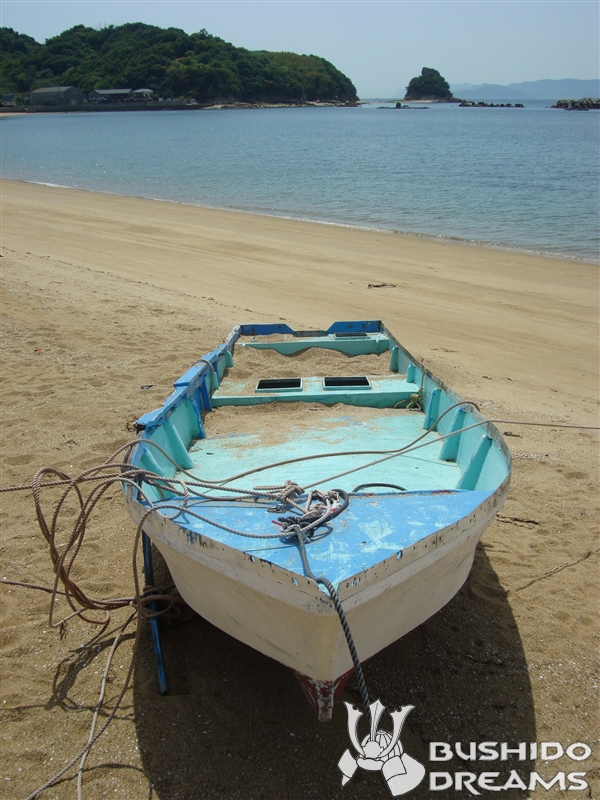
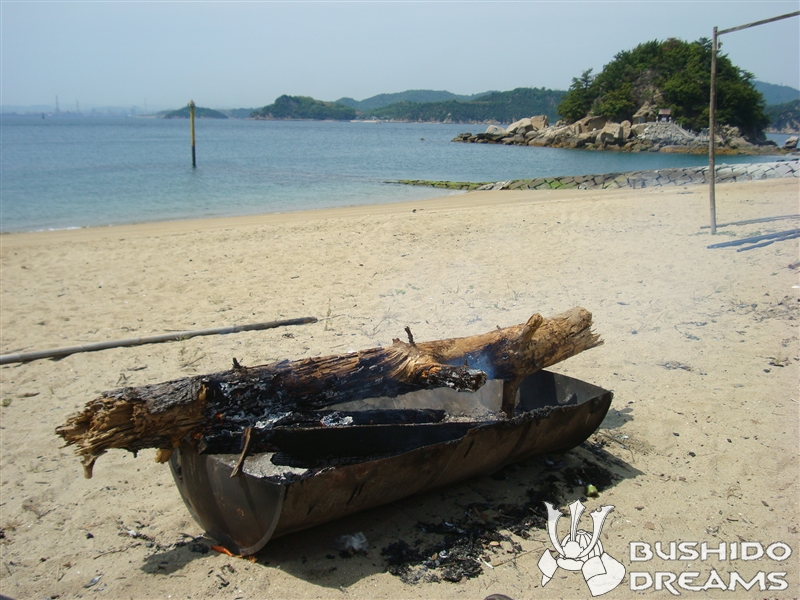
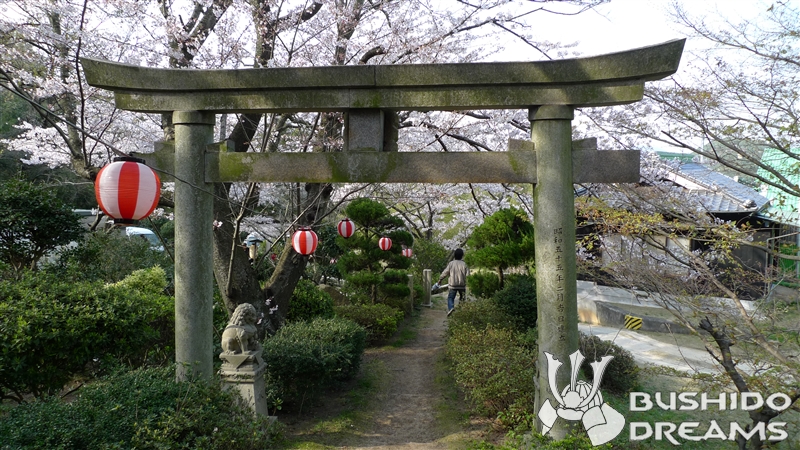
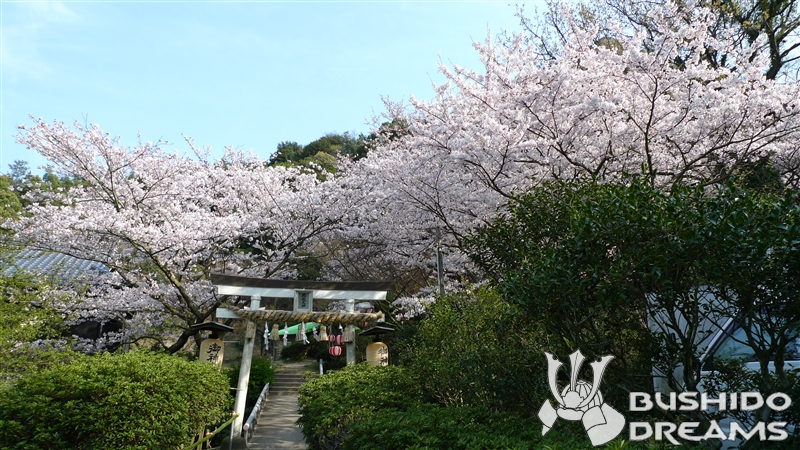
During my year of living in Japan I discovered a little bit of paradise, namely Shiraishi Island (白石島) which is nestled to the South of Okayama in the Seto Inland Sea. On my first visit I met people who became some of my closest friends during the year, one of whom is coming to visit me in Scotland in a few months!

I introduced Shiraishi Island to classmates, Okayama based friends and visitors from overseas and I continue to sing the praises of this charming little Island..

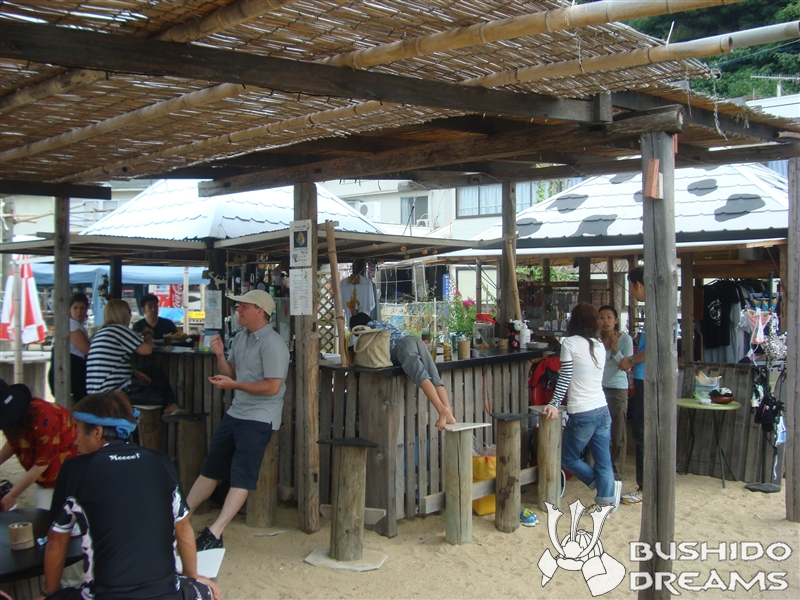
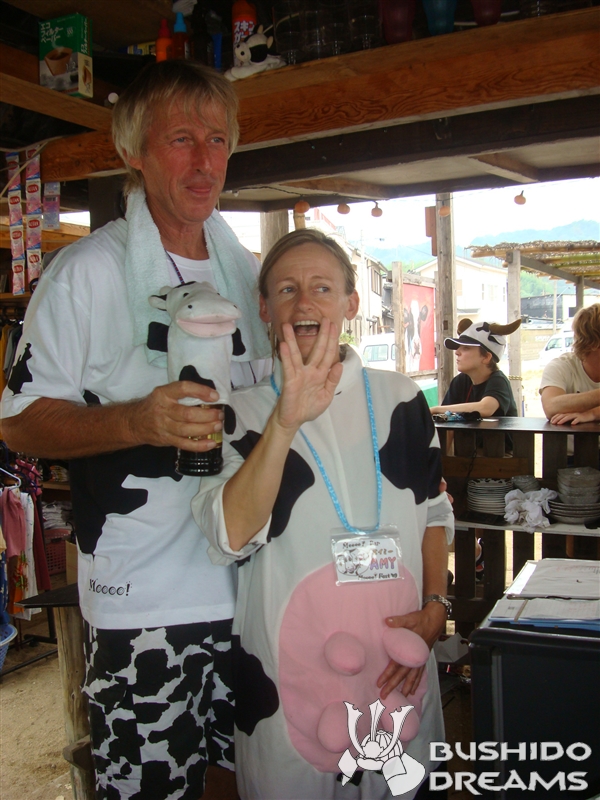
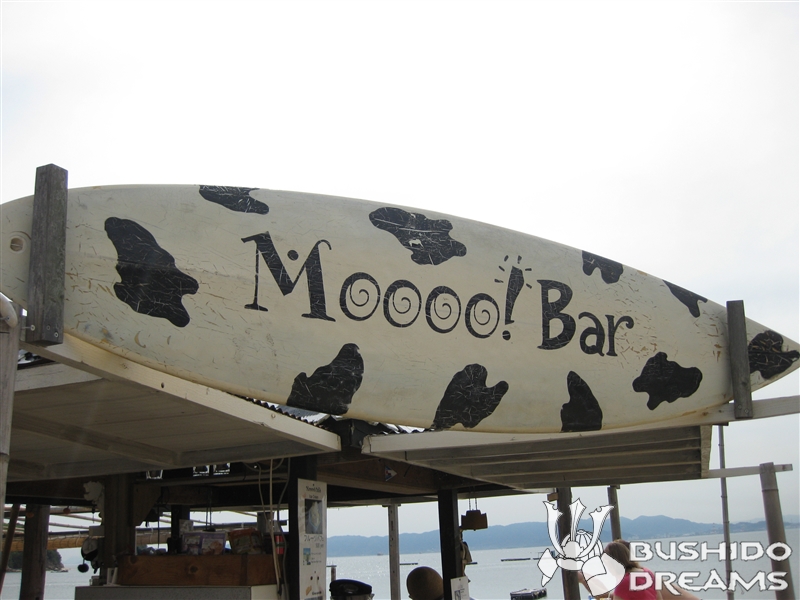
In just a few days time when Golden Week starts a bunch of my friends will meet on Shiraishi Island and drink their body weights in Moogaritas at the Moooo! Bar .. I couldn’t be any more jealous!

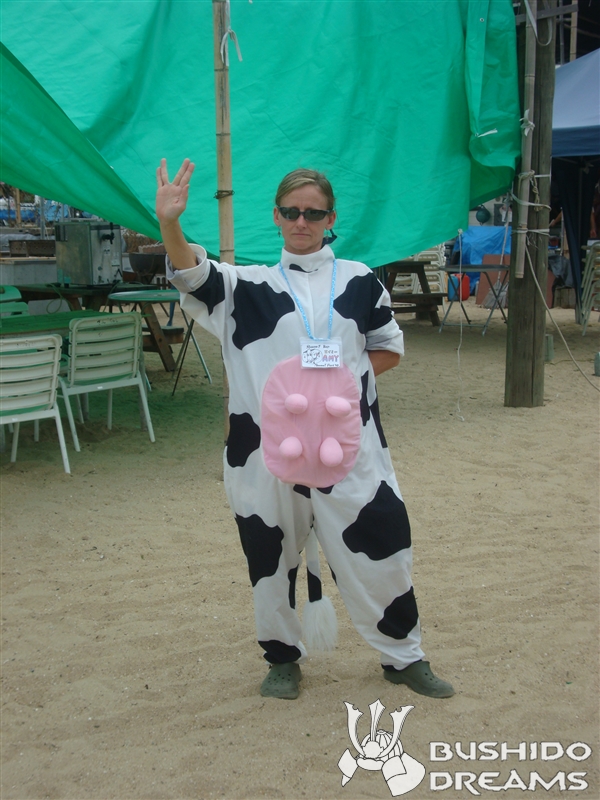
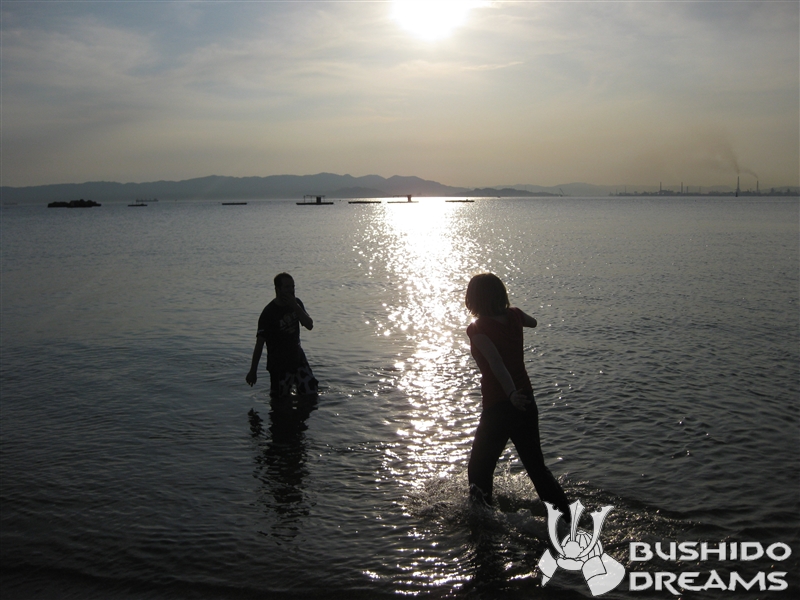
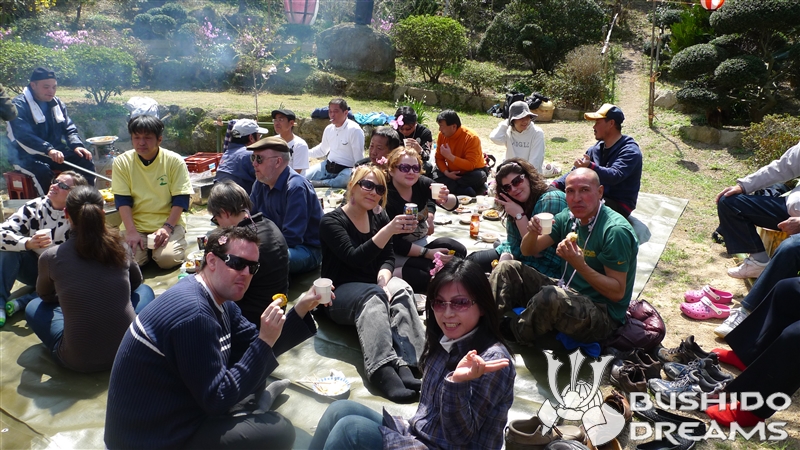
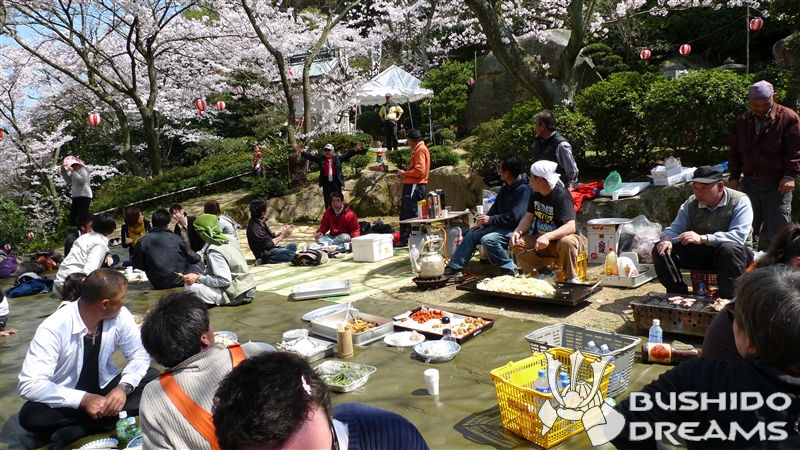
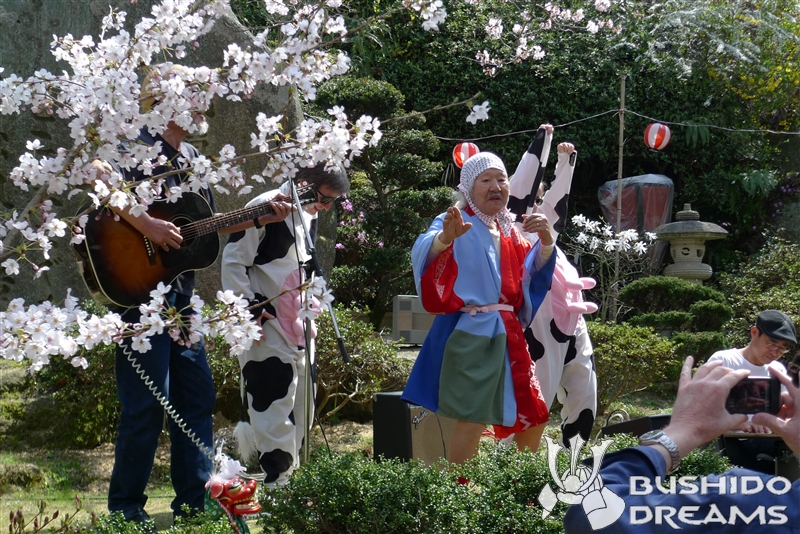
These are just a few of the snaps I took on my various visits to the island, they represent some very happy memories.. I’ll be back on the sandy beaches wearing my cow-patterned shorts, supping an ice cold beer and watching Manchan dance before long!

Photo of Shiraishi Island Photo of Shiraishi Island

Review: Japan, Funny Side Up

Blog: Bushido Dreams
Categories: 2-minute read
Tags:

Having visited Japan for a month in 2006, then lived in Okayama for a year between 2009 and 2010 and furthermore having had a life-long fascination with Japanese history and culture, I have experience of reading a great number of travel guides and books about this fascinating country. The one observation I would make of these books is that they are mostly dry, humourless, rinse and repeat guides highlighting the same places to visit and peddling the same experiences, and whilst there is absolutely a place for these books they fail to capture an important aspect of Japan, namely the fun, adventure and humour of everyday life in this curious country.

Japan, Funny Side Up

Amy Chavez breaks the mould with this collection of articles and observations from her many collated years of living in Japan and it struck a chord with me on almost every page. My personal favourite section was the chapter which describes the delights of transportation in Japan and as I read I reminisced about being in very similar situations during my time living in Japan. I loved travelling through Okayama on a local bus as each corner turned would uncover small surprises. This is an alternative guide to Japan and it focuses on aspects of Japanese culture and life that most of the mainstream travel books miss out on, it doesn’t try to cover the same old well-trodden path, it presents new information for the Japan enthusiast to feast on in a very light-hearted, amusing and sometimes surreal way.

I absolutely recommend this book to anyone who hopes to travel to Japan one day, or indeed to anyone who already has and has happy memories of the time. If you are going to visit for the first time then check out a serious guidebook or two as well but definitely read this alternative guidebook for hints on the little things that could make your trip even more memorable.

Oh and as the author suggests, if you can, DO take part in the Okayama Saidaiji Hadaka Matsuri (Naked Man festival), I did and it was one of the most memorable experiences of my life.


Amy Chavez is a columnist for The Japan Times and author of Japan, Funny Side Up . She is also the proprietress of the fantastic Moooo! Bar on Shiriashi Island and can be found on twitter as @JapanLite


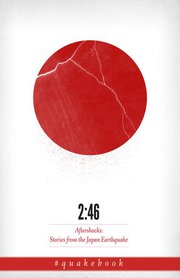
Review: 2:46 Aftershock – #Quakebook

Blog: Bushido Dreams
Categories: 5-minute read
Tags:

So this is actually less of a review at this stage than a bit of background as due to my studies for my imminent final exams (first one is tomorrow!) I have only read the first handful of stories from the book but even still it has been an emotional roller-coaster ride. The book represents a fantastic collaboration of passionate volunteers willing to contibute their own time and talents for free in order to raise funds for the Great Tohoku Earthquake Red Cross Appeal and it comprises almost 100 contributions by Japanese and foreigners alike all of whom were in some way affected by the disaster. So far I have read the first 8 of these stories and such are the pure emotions encapsulated in them that it has been a struggle to hold back the tears. There are heart-breaking accounts of those directly affected and emotional pledges of support by many who hold Japan close to their hearts. Below I have attached an extract (I hope that is OK!) written by an aged 80+ gent from Sendai which is endearing as it demonstrates the strength of mind of the Japanese and instills confidence that things will get better.

Thing to realise above everything else I think is that whilst the TV coverage (somewhat thankfully due to the high levels of inept reporting) may have died down in your part of the world, the struggle continues for those affected by the tsunami and subsequent Fukushima nuclear challenges, please do what you can to help! I personally recommend buying this book, not only because ALL of the funds go directly to the Japanese Red Cross and not just because numerous people have sacrificed their time and efforts to produce the book, but because as well as directly helping the victims the stories will help you gather a greater understanding of what is really happening in Japan. Please buy #Quakebook and check out the website detailed below for more information on alternative ways to help.


2:46: Aftershocks: Stories from the Japan Earthquake

In just four weeks, the 2:46 Quakebook project has turned an idea first voiced in a single tweet, into a rich collection of essays, artwork and photographs submitted by indivdiuals around the world, including people who endured the disaster and journalists who covered it.

2:46: Aftershocks: Stories from the Japan Earthquake contains a piece by Yoko Ono, and work created specifically for the book by authors William Gibson, Barry Eisler and Jake Adelstein.

The Kindle ebook is available to buy from anywhere in the world at Amazon.com or Amazon.co.uk . You don’t even need a Kindle. Just go to the order page and download (for free) a Kindle reader for your Mac, PC or smart phone.

Learn more about the project here

Stay up to date on the latest news using the twitter hashtag #quakebook or through the news updates below.


Extract from #Quakebook – Encouragement

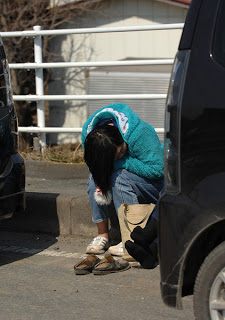
Photo by Kiyomu Tomita

It’s been a nightmare of a week. I pray that everyone afflicted in this terrible disaster will soon wake up from this bad dream, but I don’t have any words of comfort. As an old man with an old wife, I’ve put up with a lot this week. But it’s nothing compared with the lives of those staying in shelters. Now things have settled down a little, I will attempt to convey the thoughts of the many other elderly people I have spoken with.

For us old folk confused by the scarcity of information, the radio has been our most reliable source of news. Many of us oldies are familiar with the radio and listen to late night broadcasts, with batteries that last a surprisingly long time. While we can use ordinary mobile phone functions, we’ve barely been able to operate emergency functions. Batteries run out as we fumble with our phones and the vast majority of us have given up trying to use them.

Very few people of my generation use the Internet in the first place, and as power is needed to get online, we haven’t been able to use it during power cuts. Even if we connect to the net, we’re poor at finding the information we want. Naturally, we can’t watch television during blackouts.

While we have inadequate access to information, we can ask net-savvy people living near us to get this information for us. For this reason, we are grateful that mobile phones and the Internet provide information. We rely on one company to provide our home with television, Internet and telephone services. While we feared that the infrastructure might have collapsed, the services were quickly recovered. We are thankful for this.

The strength of our generation is our experience. While this disaster is unprecedented, similar experiences such as postwar chaos, oil shocks and the 2005 Miyagi earthquake have kept us prepared. Many people also had stocks of emergency supplies. I pray that old people who are sick or weak can quickly receive medical attention. But rather then telling healthy old folk that you will support them, it would cheer them more to say that you’ll strive to get through this together.

To be honest, it has not been comfortable for people aged over 80. Lining up for hours to get water or do some shopping chills us from the tips of our toes up and gives us back pains. But seeing young mothers of small children patiently waiting for their turn and the impressive qualities of young women who use just a calculator to total up the bills for many customers’ shopping, gives me the strong conviction that this country will not break under these circumstances.

It’s been a while since my wife and I shared activities and fulfilled our respective roles. Our children have encouraged us and this has led to a reconfirmation of our family bonds. We’ve also received much encouragement from unexpected people. I’ve lived for many years. Night has always turned to day and rain has never failed to cease. Conditions have greatly improved during this week, and will get even better next week. This is a manifestation of the fighting spirit of someone born in the first decade of the Showa period. We need to stay strong.

GRANDFATHER HIBIKI Sendai